Nicaraguan cigars: strength, richness and character
A country that has become a must-know. If you’re interested in cigars, there’s a good chance you’ll soon come across Nicaragua. And that’s no coincidence. In just a few decades, this country has gone from being a low-key producer to a true global benchmark. Today, for many connoisseurs, Nicaragua is synonymous with powerful, expressive cigars of impressive consistency. If you’re looking for a distinctive tasting experience, this is a region well worth exploring.
A bit of history
Tobacco cultivation has a long history in Nicaragua, but the real turning point came in the 1960s and 1970s. Following the US embargo on Cuba, Cuban growers left the island and settled in Central America, taking their expertise with them.
Among them, certain names have become household names, such as the Plasencia family (Don Eduardo, originally from the Canary Islands, arrived in Cuba in 1865) and the Oliva and Padrón families, who all fled the Castro regime in the early 1960s.
We could also mention José “Pepín” García (My Father Cigars) and A.J. Fernandez (A.J. grew up in Cuba, where he learnt the trade of tobacco farming), who, having emigrated at the turn of the millennium, are among the more recent arrivals.
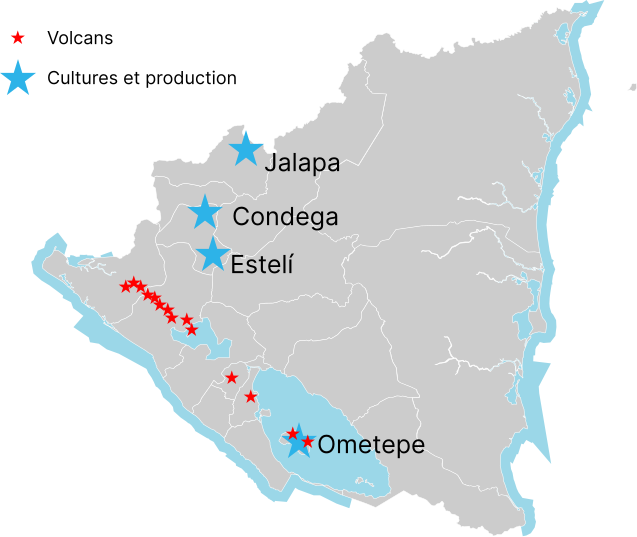
These producers bring with them techniques for cultivation and fermentation, and above all the art of Cuban blending. Nicaragua gradually began to benefit from this, but it was particularly from the 1990s onwards that things really took off, when regions such as Estelí, Jalapa and Condega became the mainstays of production. Today, these names are no longer merely geographical: they are directly associated with very specific flavour profiles.

Plasencia House
The first generation: Don Eduardo Plasencia left the Canary Islands in search of new opportunities. He began growing tobacco in the Vuelta Abajo region (Cuba).
A volcanic terroir that shapes the cigar
If Nicaragua produces such distinctive cigars, it is above all thanks to its terroir.
The country is characterised by mineral-rich volcanic soils, a warm climate and significant temperature variations between day and night. The alternation between dry and wet seasons also promotes a high concentration of flavour in the leaves.
In practical terms, this results in dense, powerful cigars with a real presence on the palate. The volcanic soils also lend them a signature mineral character with volcanic undertones, enhanced by a hint of lively acidity.
But not all regions of Nicaragua are the same.
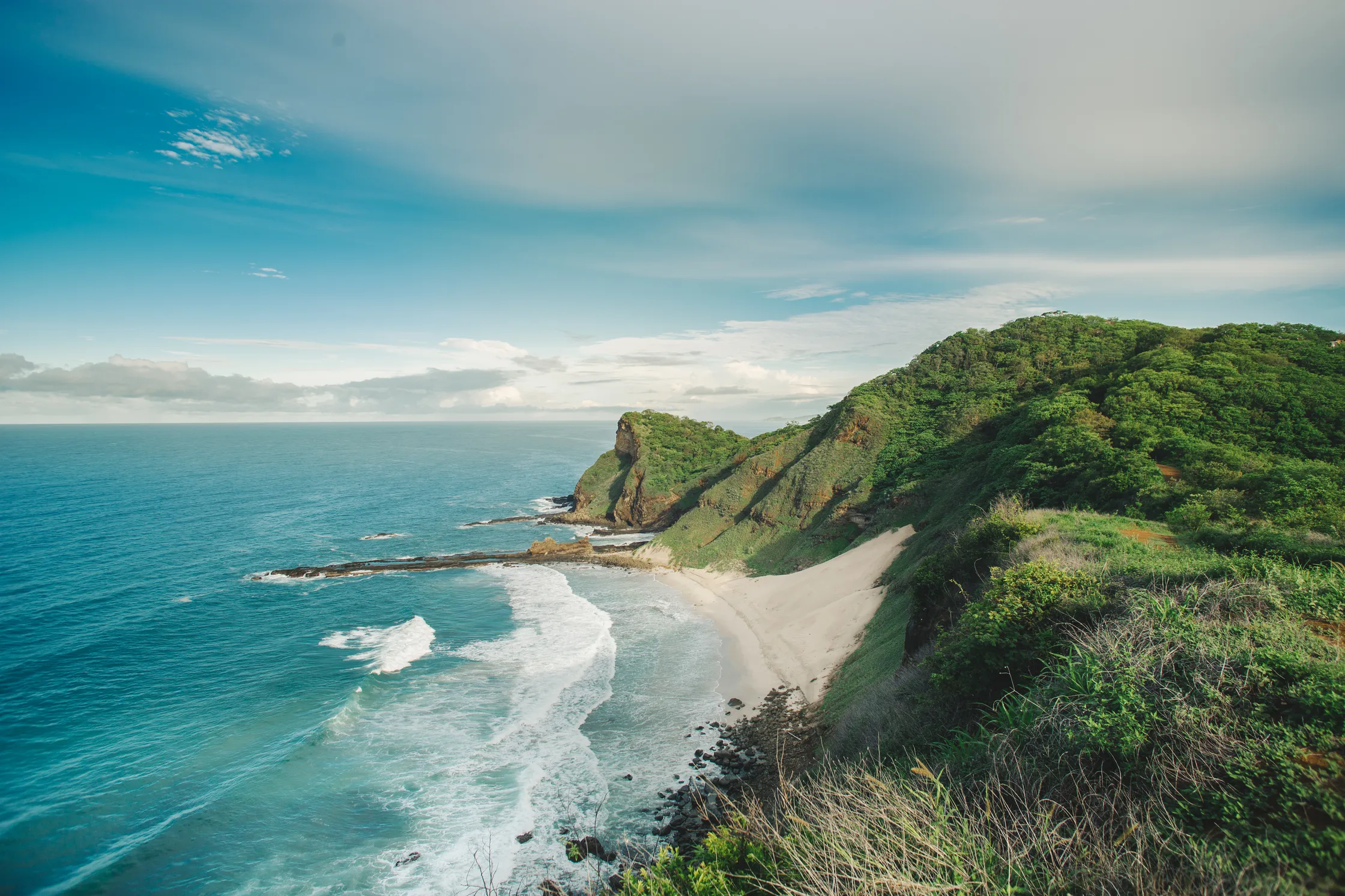
Estelí – raw power
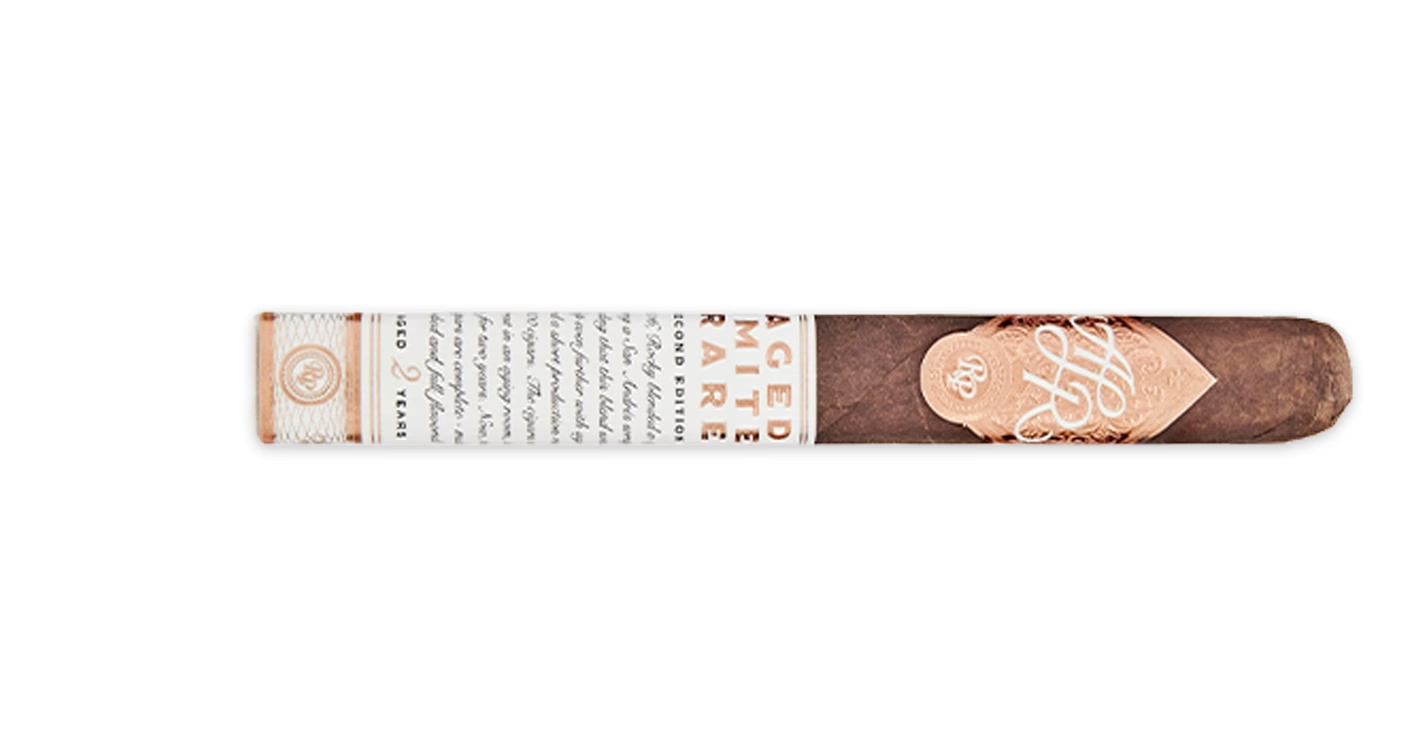
Estelí produces intense, well-structured tobaccos. On tasting, you’ll find a bold opening, black pepper and notes of earth and leather, with an immediate presence on the palate. Two fine examples of cigars featuring these earthy, leathery and peppery notes are the Rocky Patel A.L.R Second Edition and My Father Cigars La Antiguedad.
Jalapa – roundness and finesse
Jalapa produces smoother, more aromatic tobaccos. The profile is milder, with sweet, cedar and sometimes honey notes, resulting in a rounder, more balanced smoke. These notes can be found in the Balmoral Dueto Ovación or the Izambar "IZ" Box-pressed.
Condega – understated balance
Condega acts as a binding element in blends. Its tobaccos offer less immediate strength, but provide structure and complexity in the background. This balance is perfectly captured in the Avo Syncro Fogata Toro or the E. P. Carrillo INCH Nicaragua puro. Although the strength of the latter suggests that the blend leans more towards Estelí.
Ometepe – a prime example of volcanic terrain
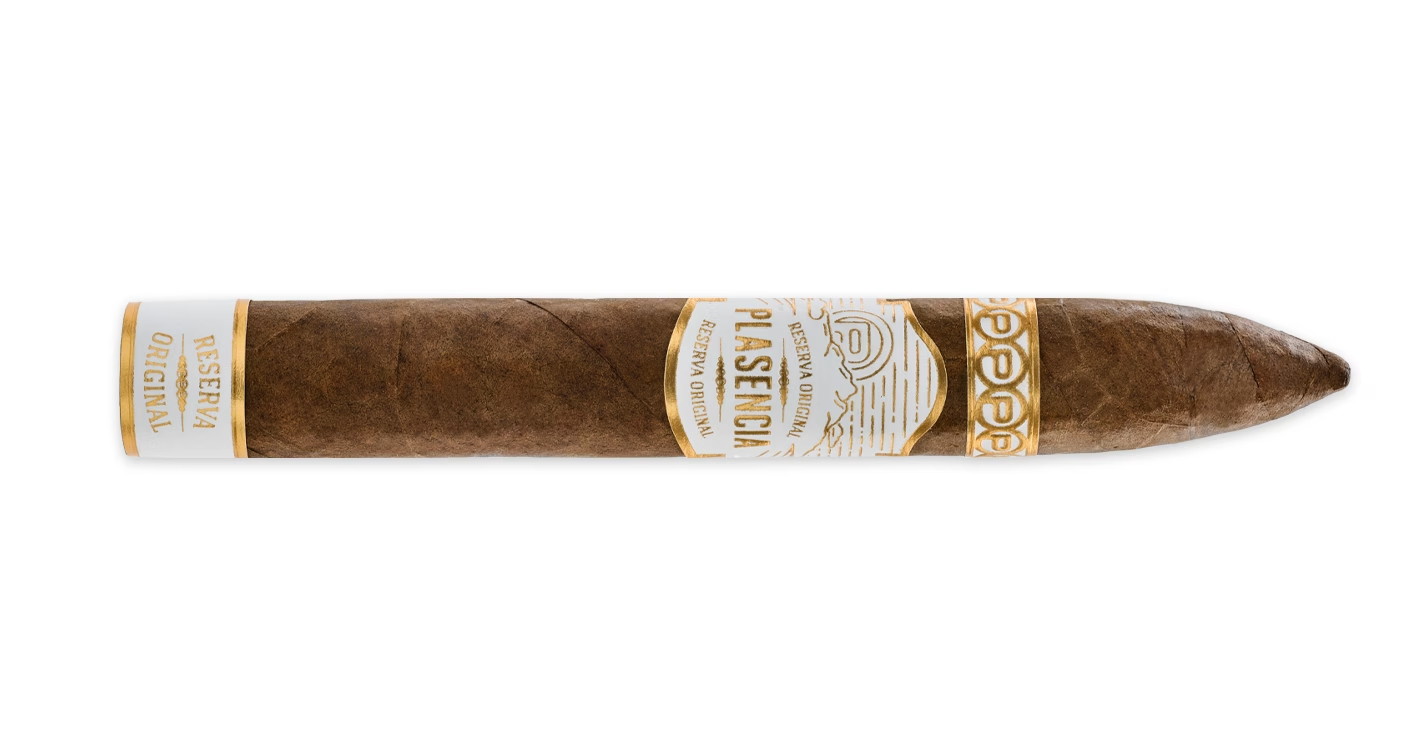
Ometepe Island, situated in the heart of Lake Nicaragua, is formed by two volcanoes: Concepción and Maderas. This spectacular landscape perfectly illustrates the richness of the country’s volcanic soils. Tobacco is certainly grown there, but production remains marginal and is therefore relatively little used. However, the Plasencia Alma del Fuego Robusto is worth noting, as it incorporates a significant proportion of tobacco from this small island, giving the cigar a unique minerality.
And what about the "East" coast in all this?
The eastern part of Nicaragua, which borders the Caribbean Sea, is largely absent from premium tobacco production. The reason for this is a significantly more humid climate, characterised by heavy and regular rainfall, which is ill-suited to the requirements of cigar tobacco. This is, in fact, very clearly evident on a map of the country. All the major companies have concentrated their plantations along the same axis along the west coast, and their tobacco factories are also clustered in the major cities.
The expression of the terroir
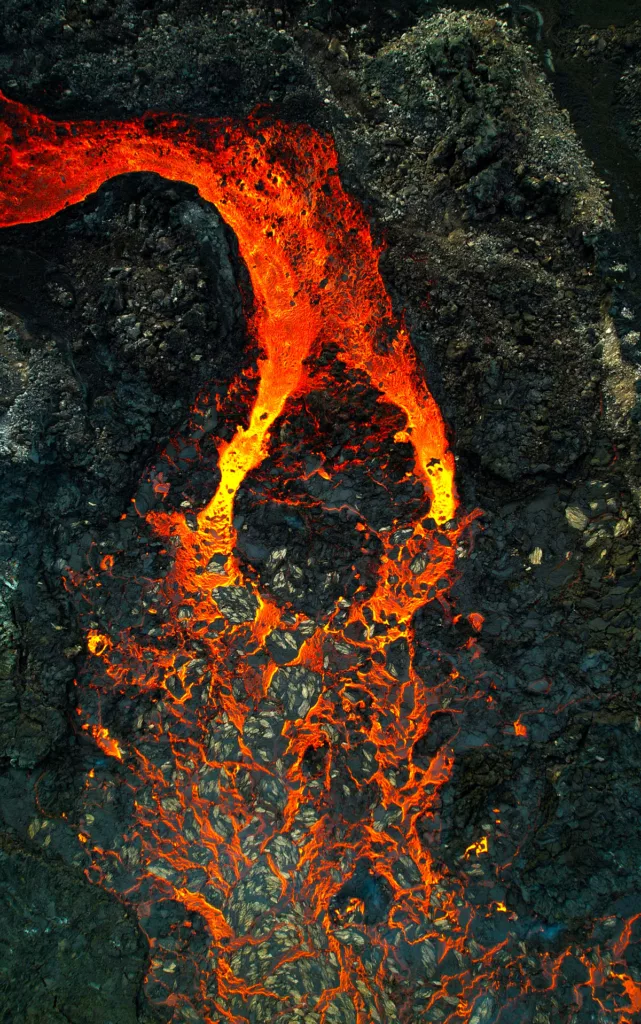
The volcanic terroir acts mainly indirectly, influencing the tobacco plant from the moment it begins to grow. The result is then reflected in the cigar’s aromas.
If you appreciate these characteristics, this terroir will appeal to you perfectly:
- full-bodied cigars,
- distinct sensations,
- profiles that truly evolve
What are the differences when tasting?
Nicaragua isn’t necessarily the most affordable place to start for a beginner. At least, not when it comes to “puros”. When blended with tobaccos from other regions, however, it adds depth, structure and an intensity that considerably enrich the cigar’s profile, without necessarily making it harsh. It’s the sort of cigar you enjoy after a meal, or when you want to take the time for a more leisurely smoke, without rushing.
Possible combinations
To complement this type of profile, we’d be happy to recommend:
- an aged rum,
- a whisky (peated or unpeated, depending on your preference),
- or even a strong espresso.
The idea is to stick to flavours that can hold their own against the strength of the cigar.
Conclusion
Nicaragua is now a must-visit destination if you’re looking to explore intense and expressive cigars. Thanks to its volcanic soils and varied climate, it offers rich, well-structured and often very distinctive profiles. If you’re looking for a smoking experience with real character and a strong presence on the palate, this terroir is an excellent choice.
Photo credits
Our Nicaraguan cigars
-
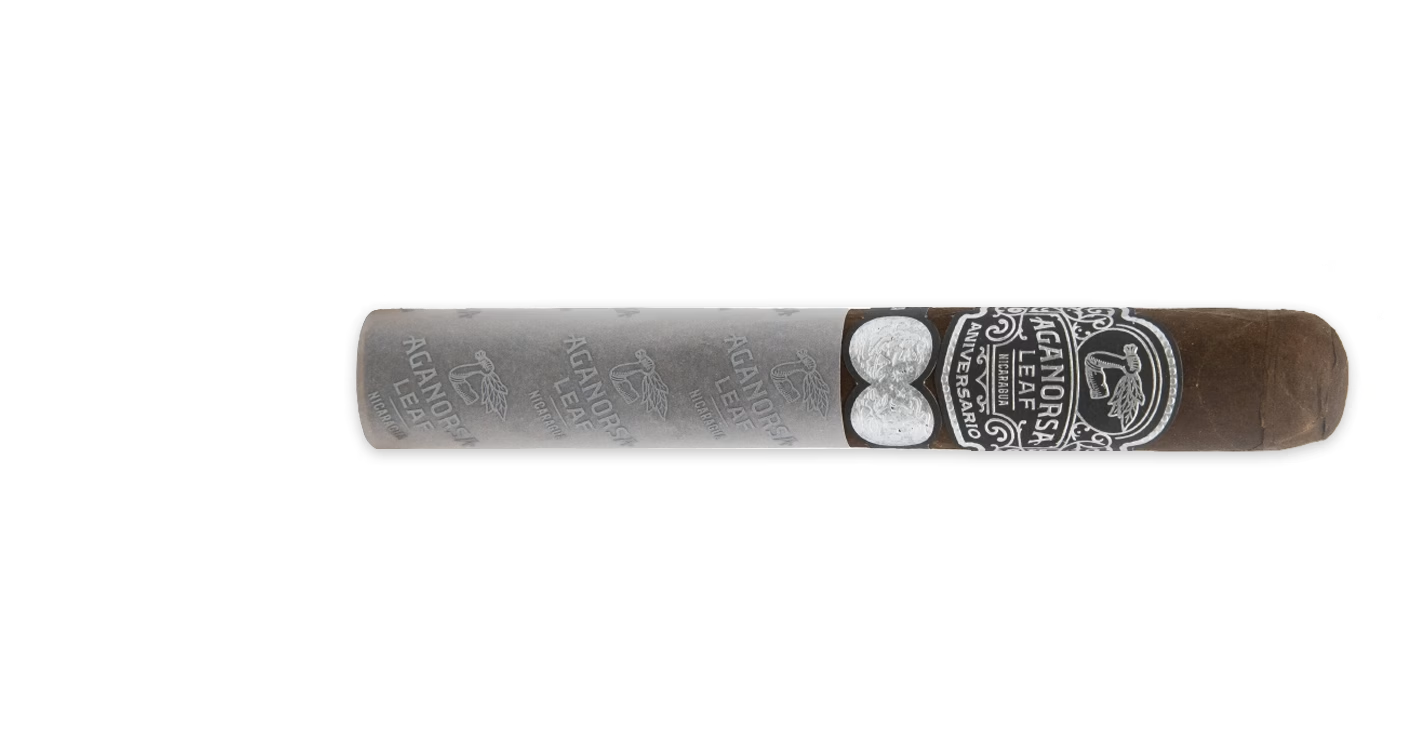
Aganorsa Leaf Aniversario Maduro
5
12.7
52
-
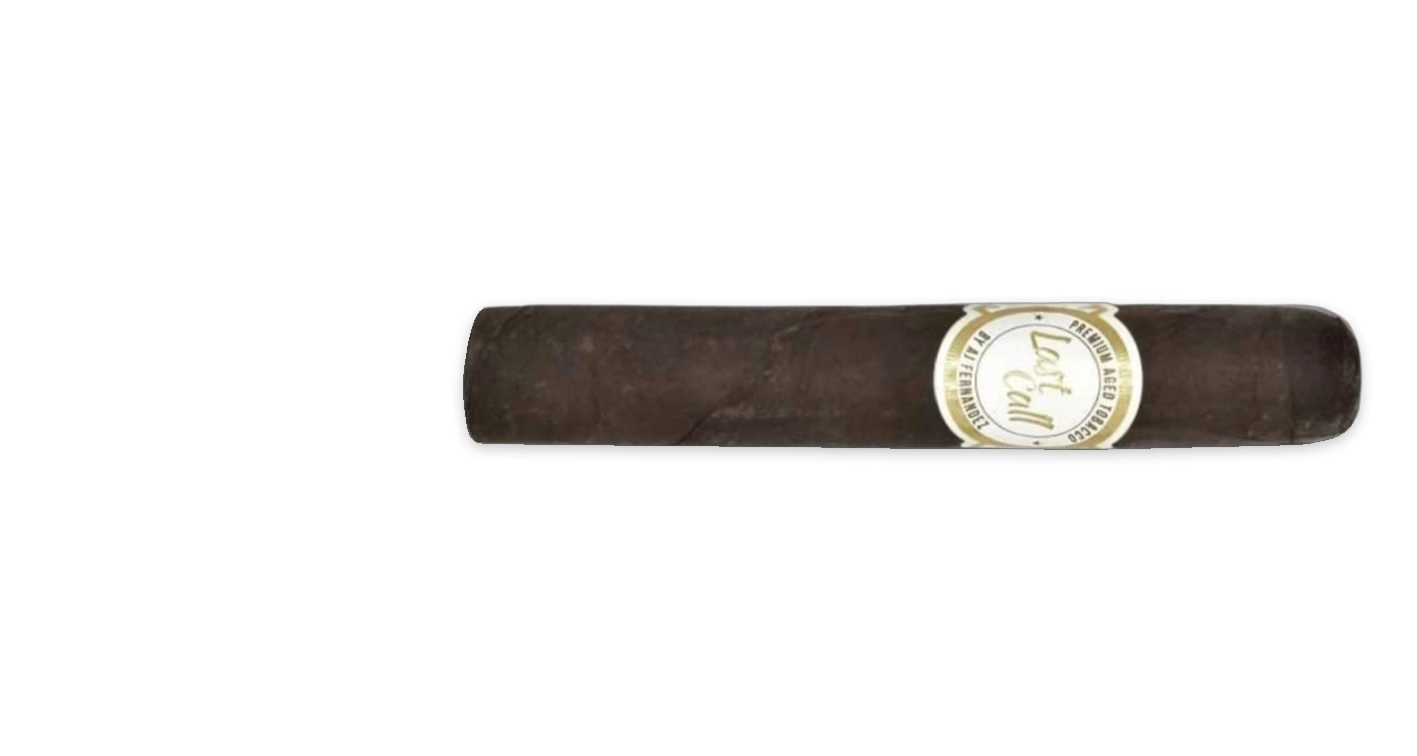
AJ Fernandez Last Call Maduro
5
11.4
48
-
-
-
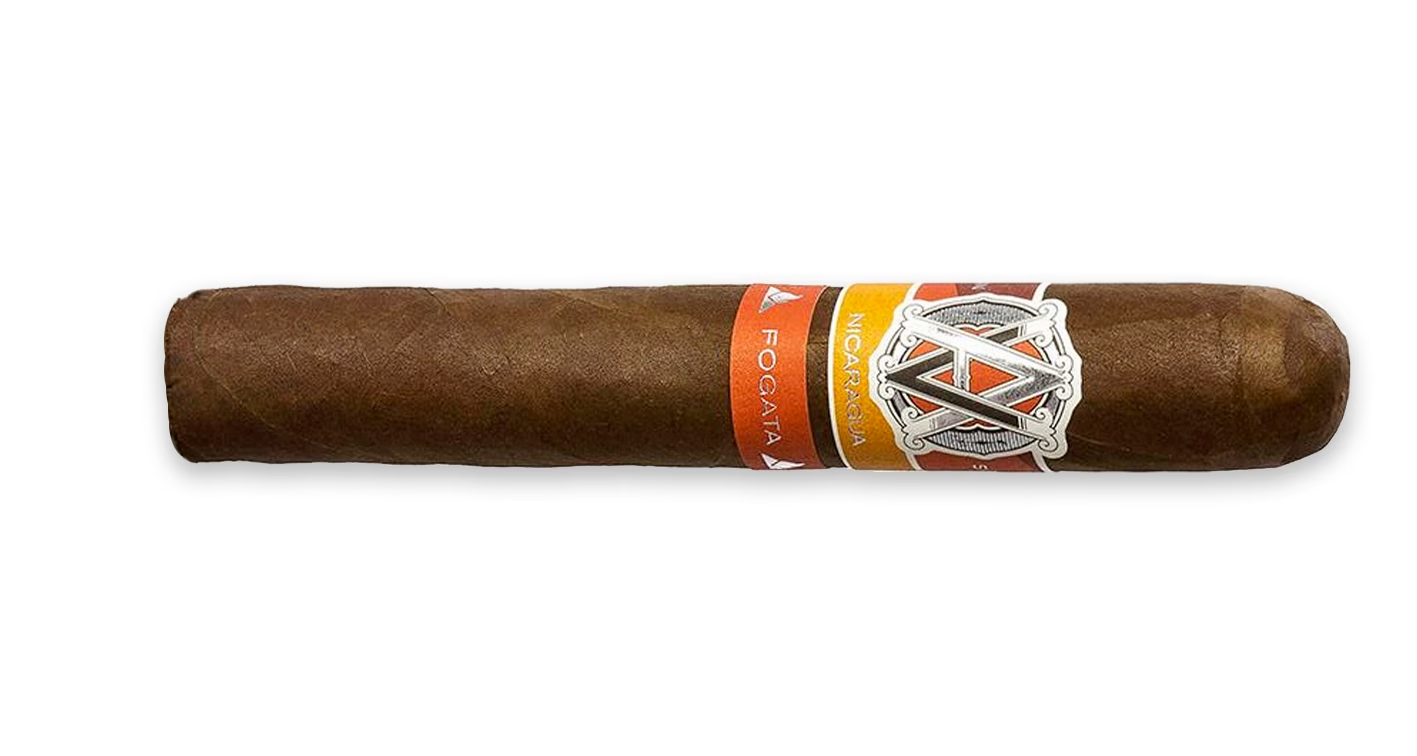
Avo Syncro Fogata Toro
3
15.2
-
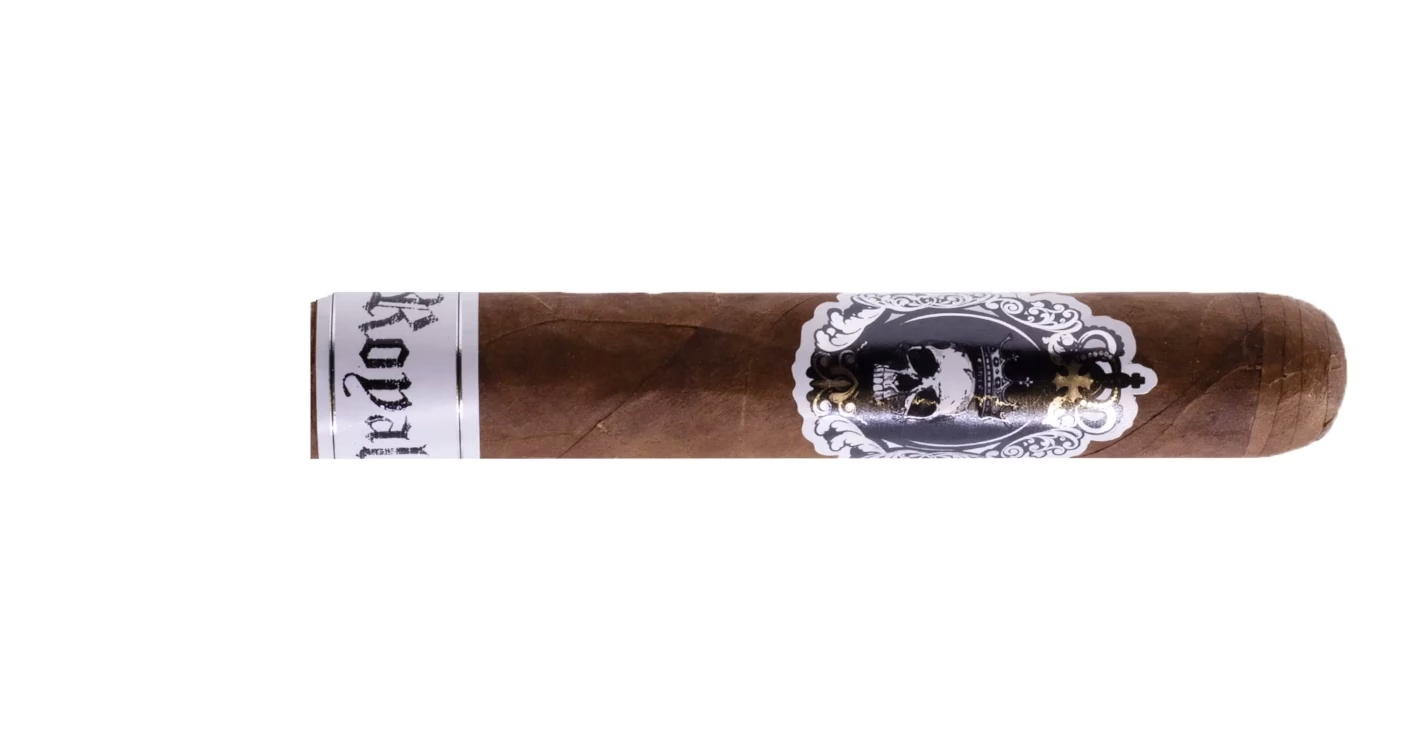
Black Label Royalty Robusto
5
12.7
54
-
-
-
CAO Amazon Basin Toro
3
15.2
52
-
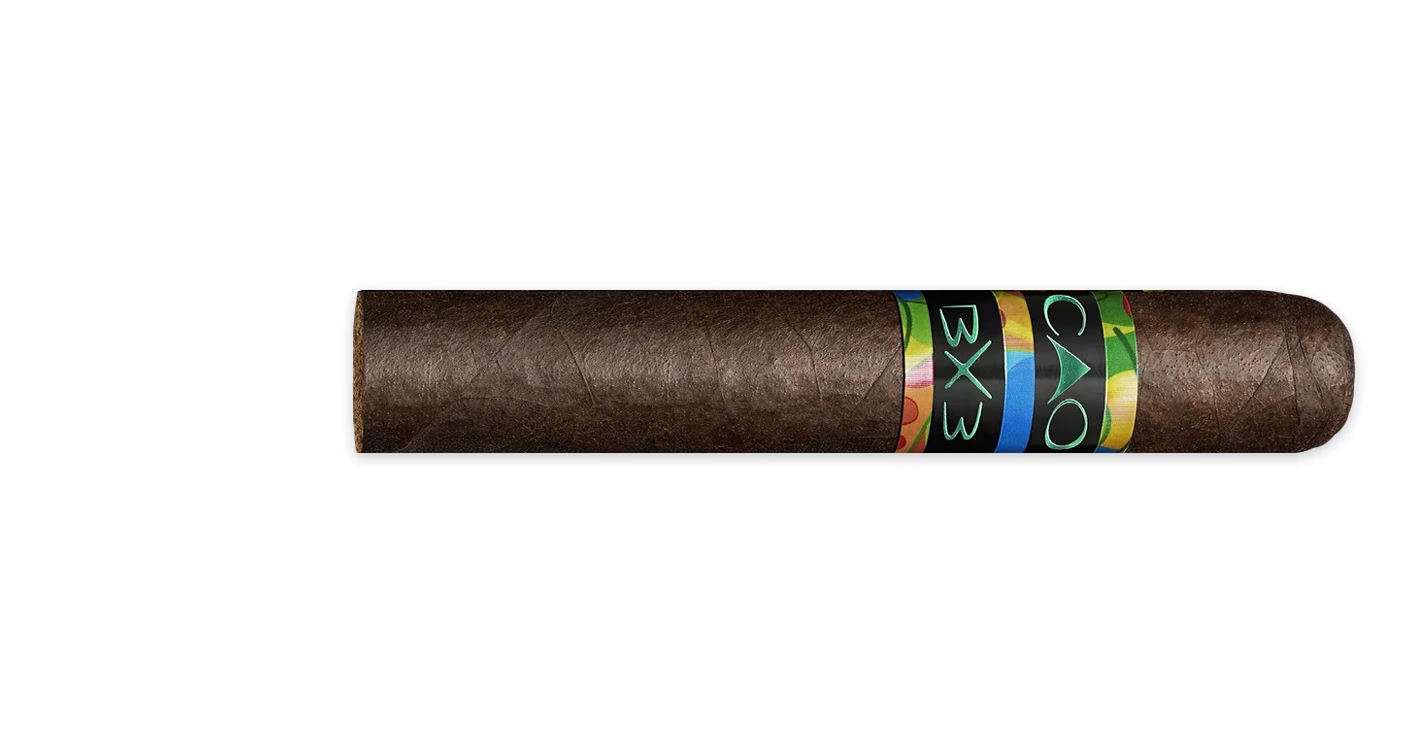
CAO BX3
5
12.7
52
-
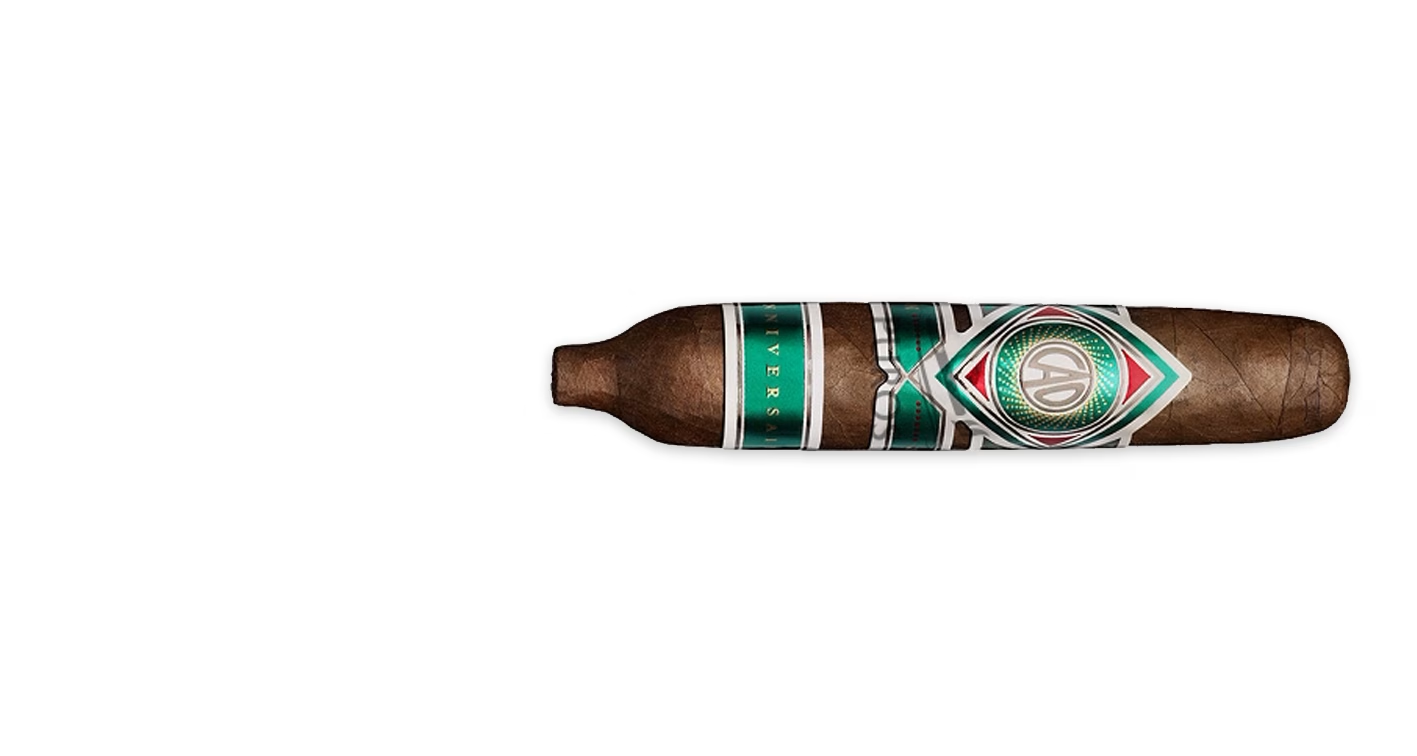
-
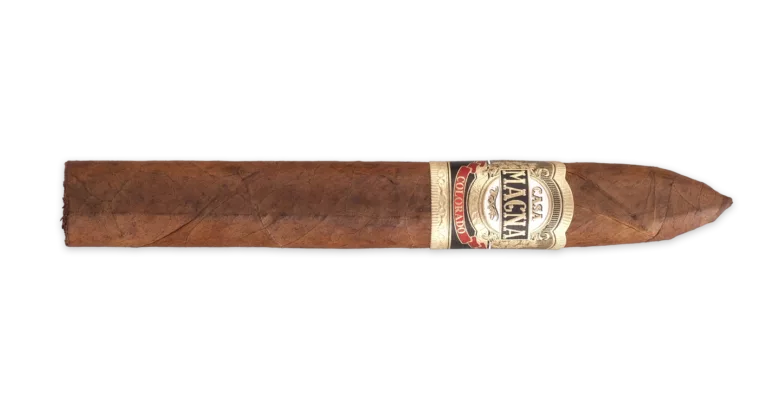
Casa Magna Colorado Belicoso
3
15.9
54
-
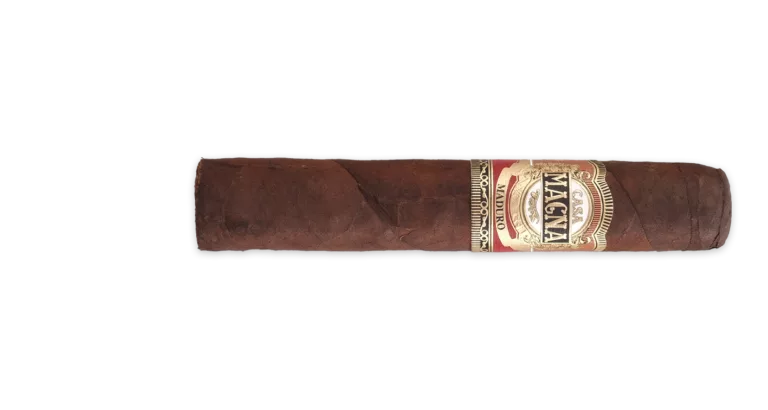
Casa Magna Maduro Robusto
3
12.7
54
-

-
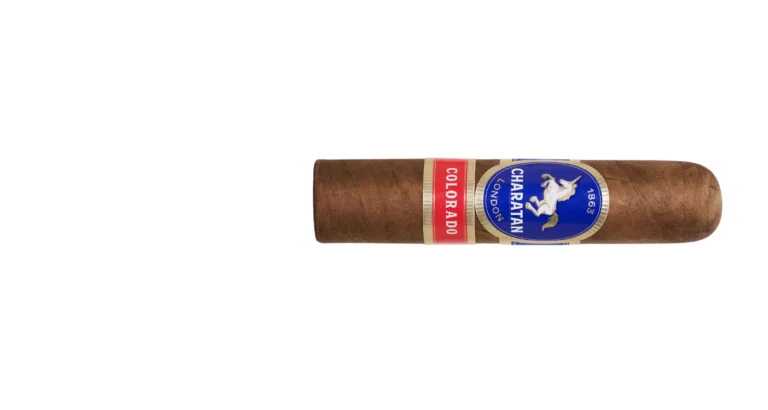
Charatan Colorado
3
8.9
48
-

-
-
-
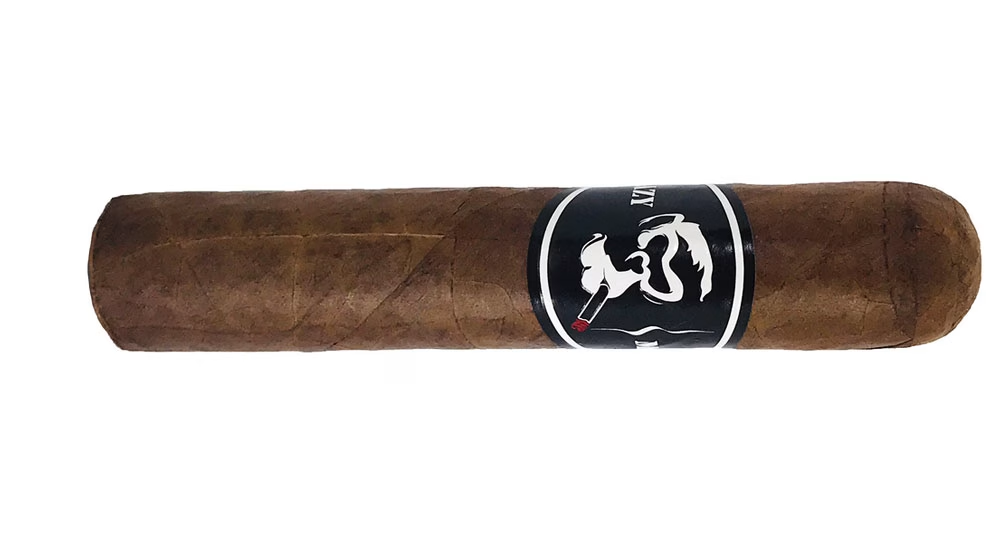
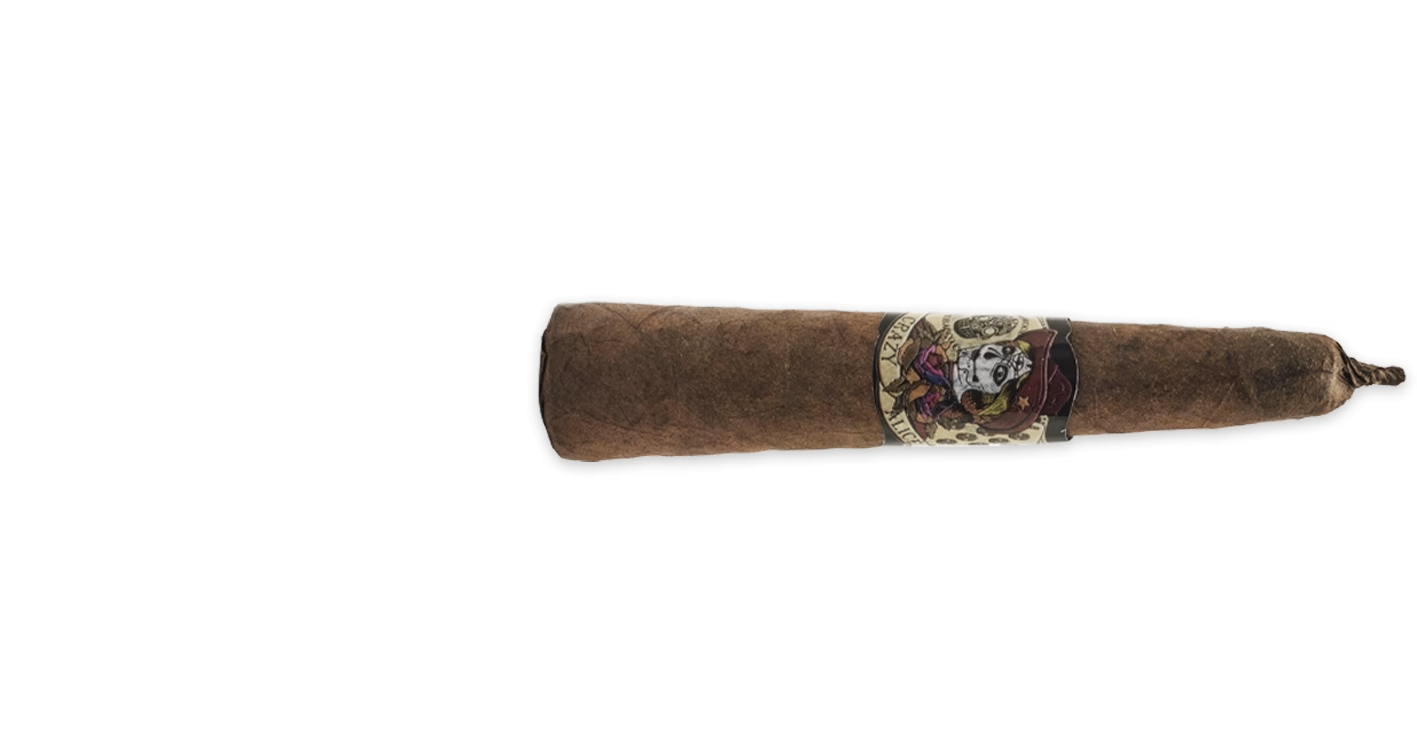
Crazy Monkey Big Robusto
5
12.5
58
-
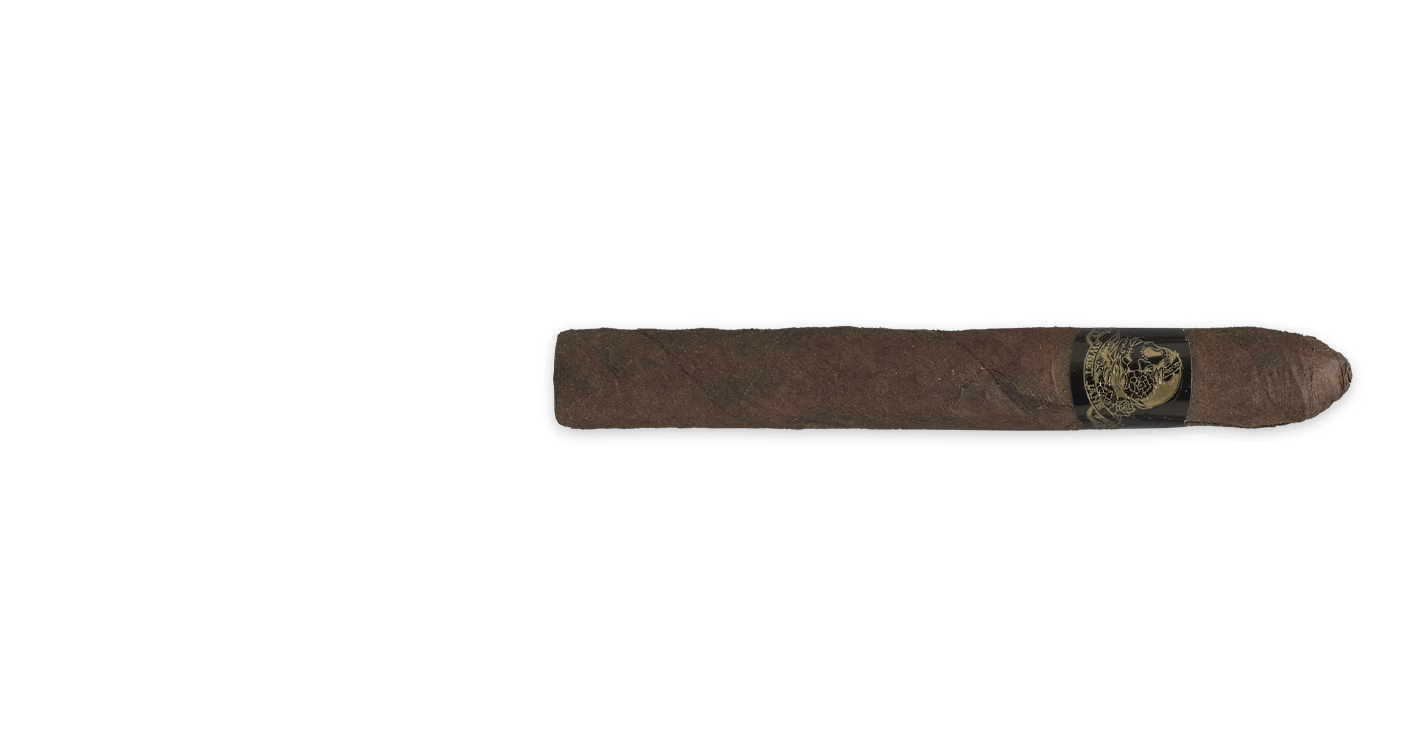
Deadwood Coronets
3
10.1
32
-
-
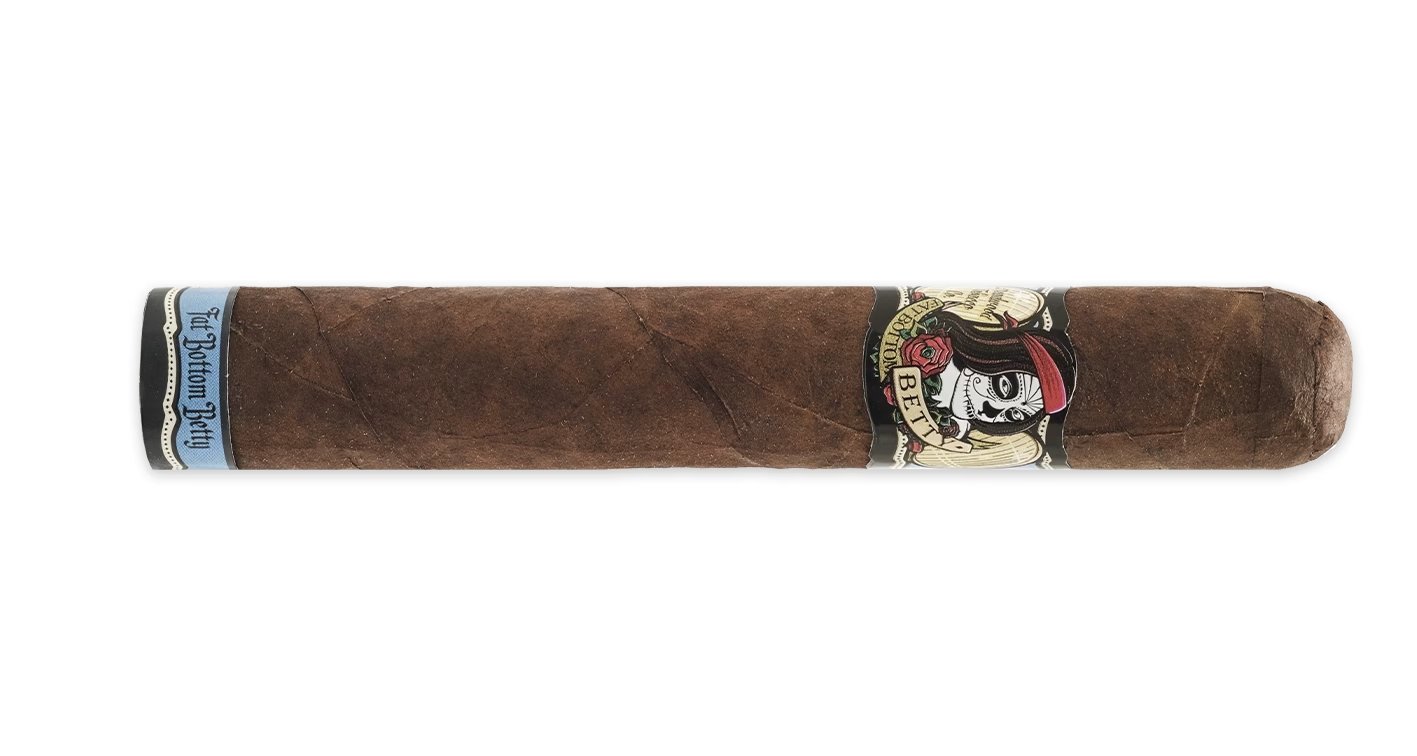
Deadwood Fat Bottom Betty
2
15.2
60
-
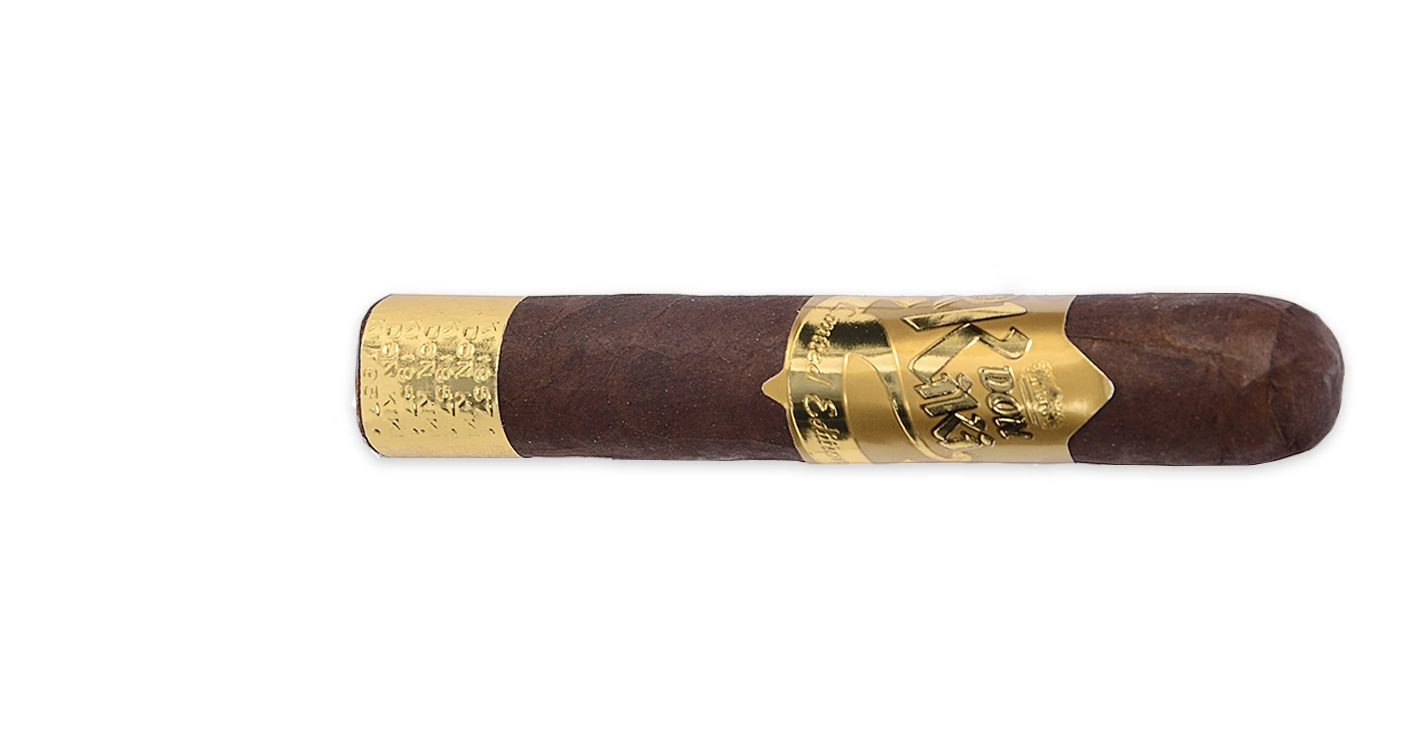
Don Kiki Gold Label Robusto
5
12.7
54
-
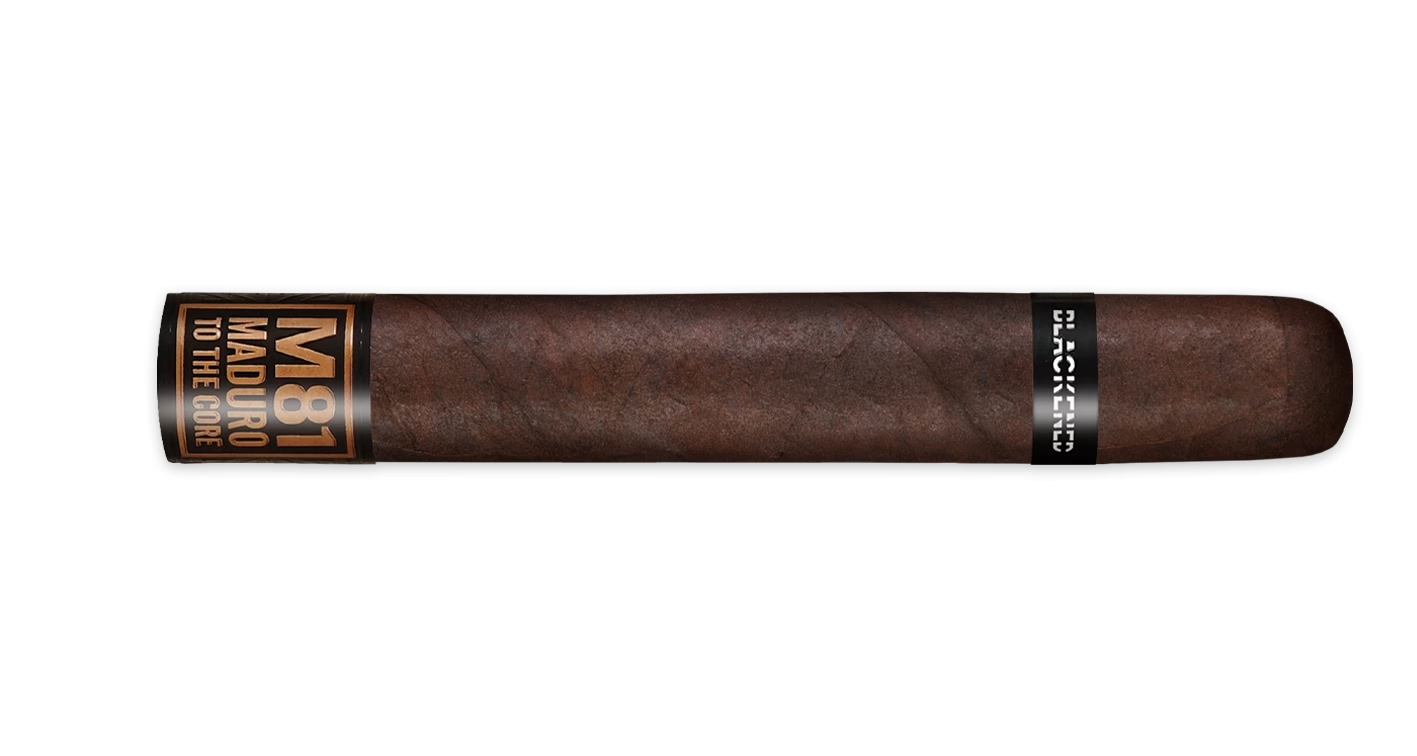
Drew Estate Blackened M81 Toro
5
15.2
50
-
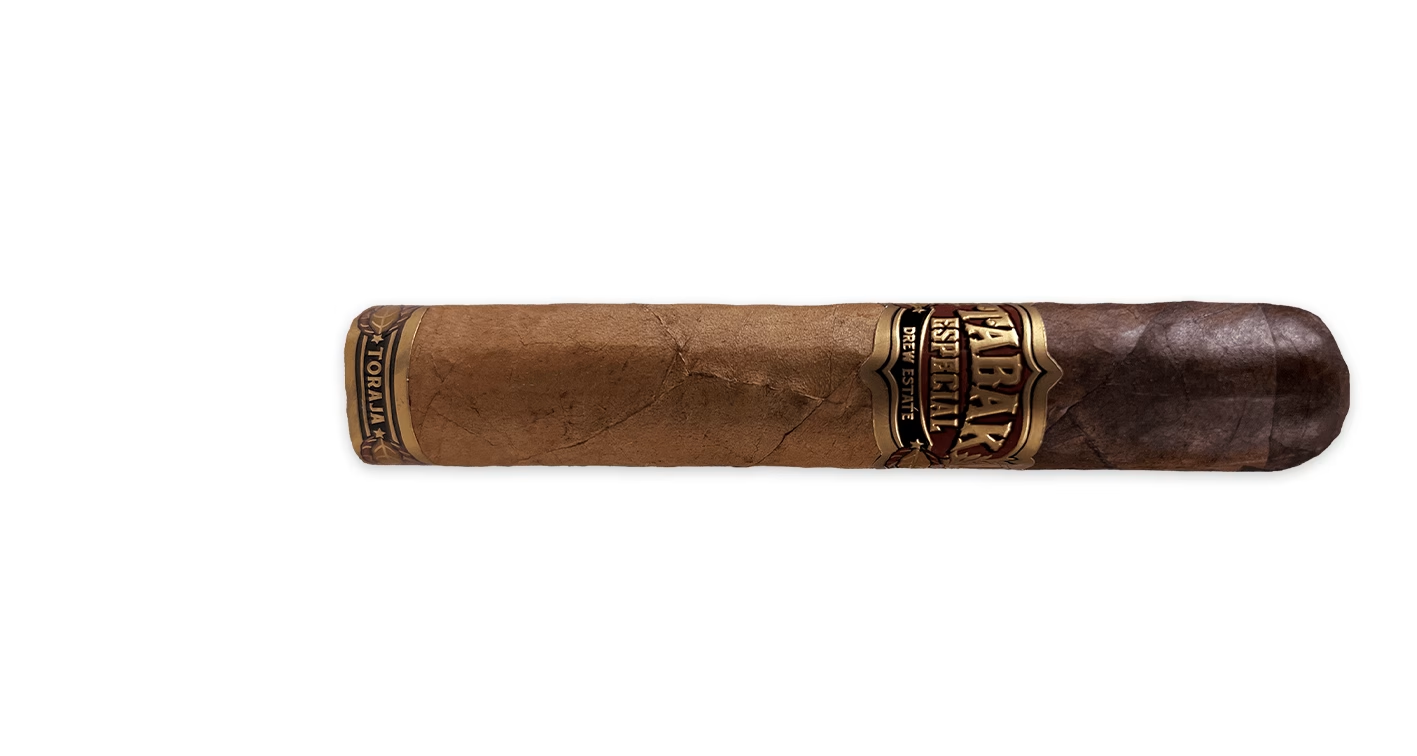
-
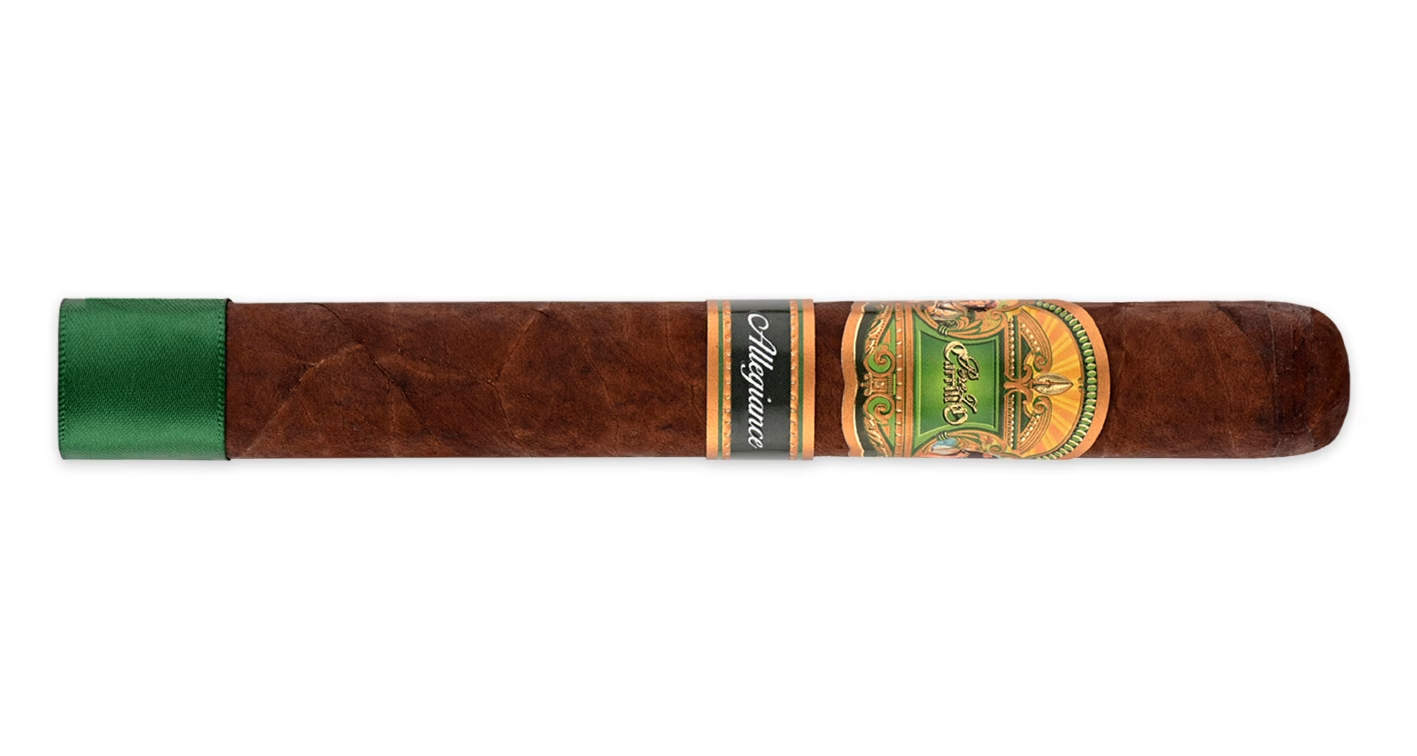
-
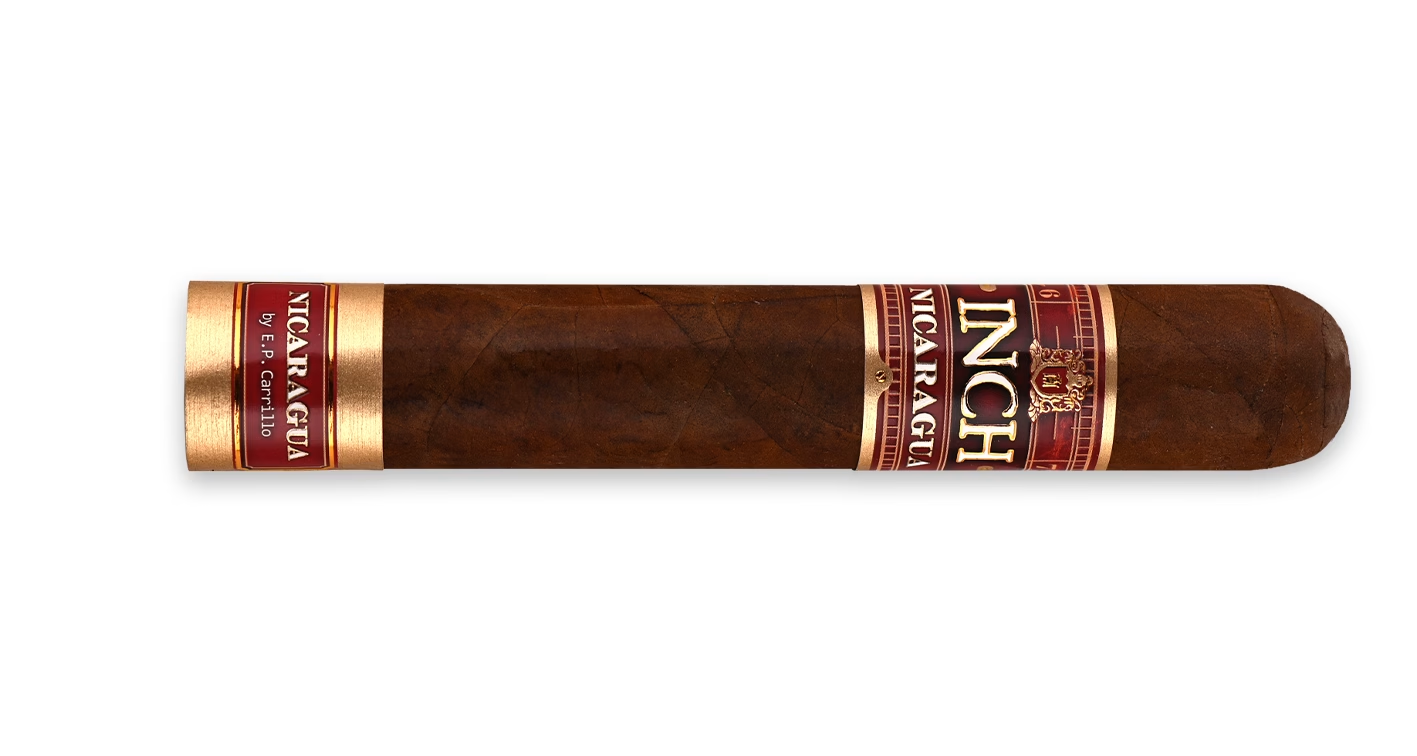
-
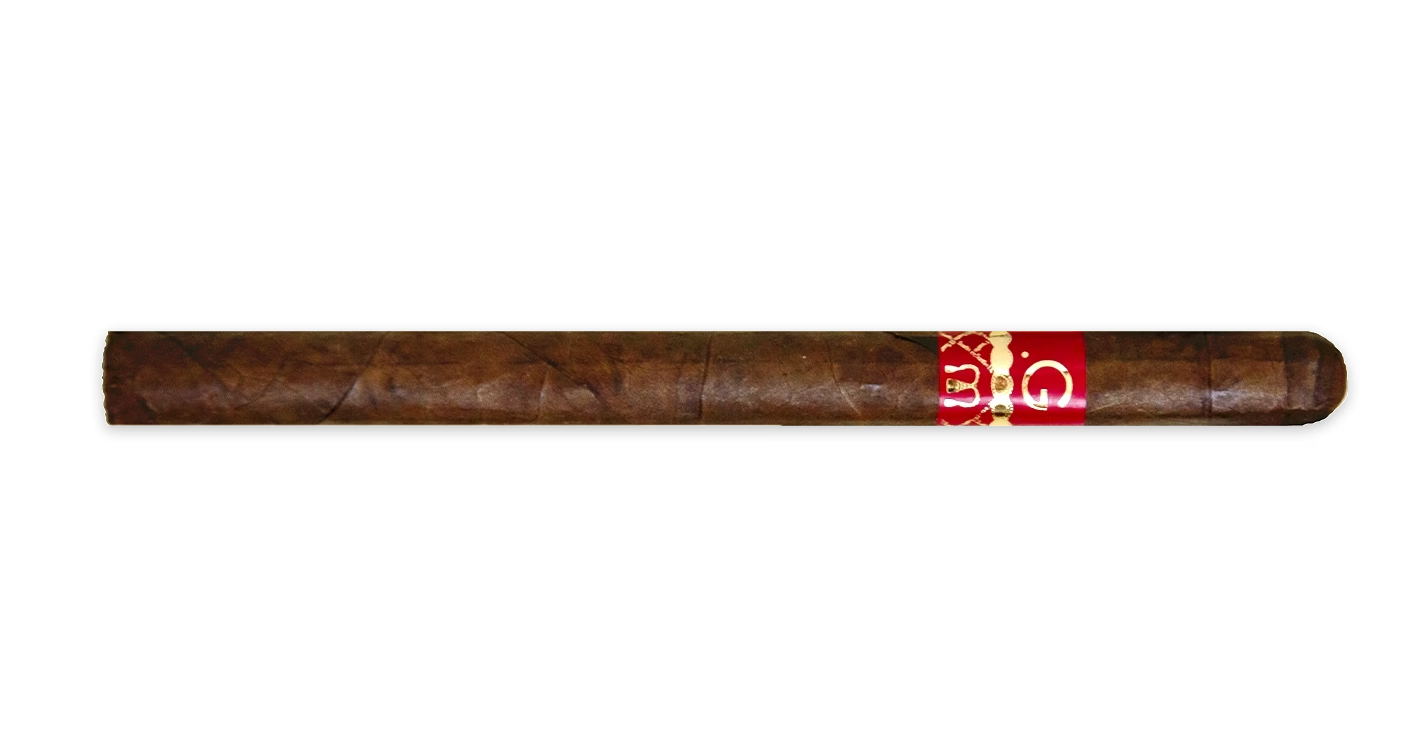
El Sueño .G Line Baronne
3
19.2
38
-
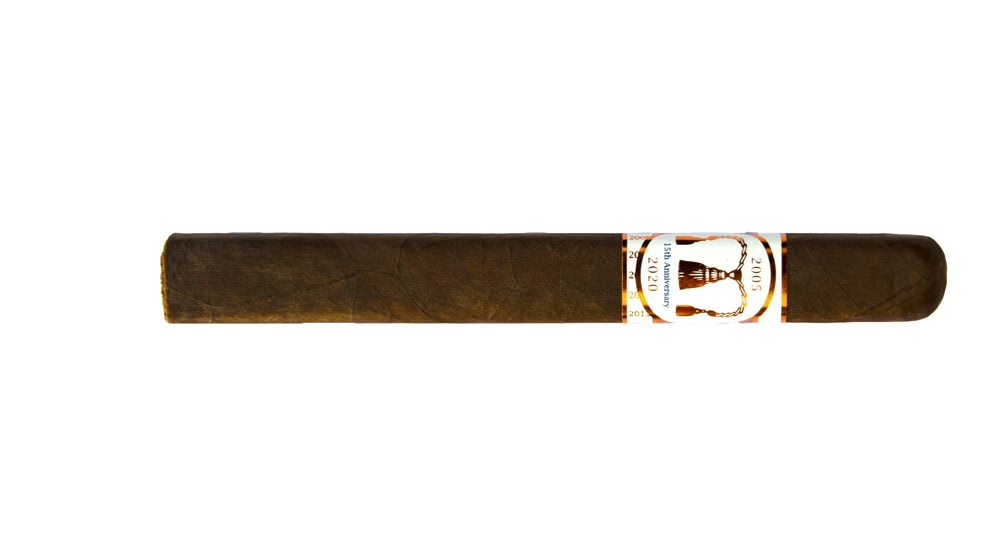
El Sueño 15th Anniversary
3
15.24
52
-
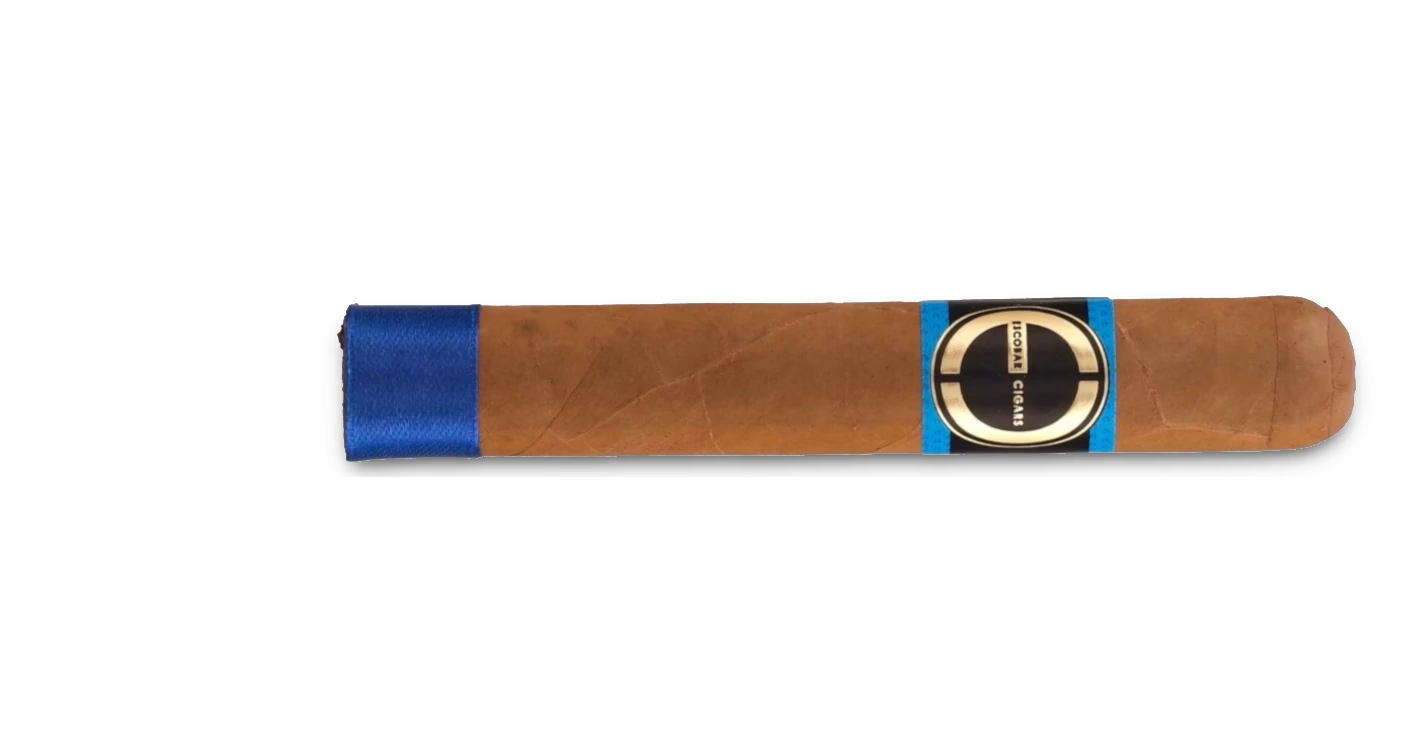
Escobar Connecticut Robusto
2
12.7
50
-
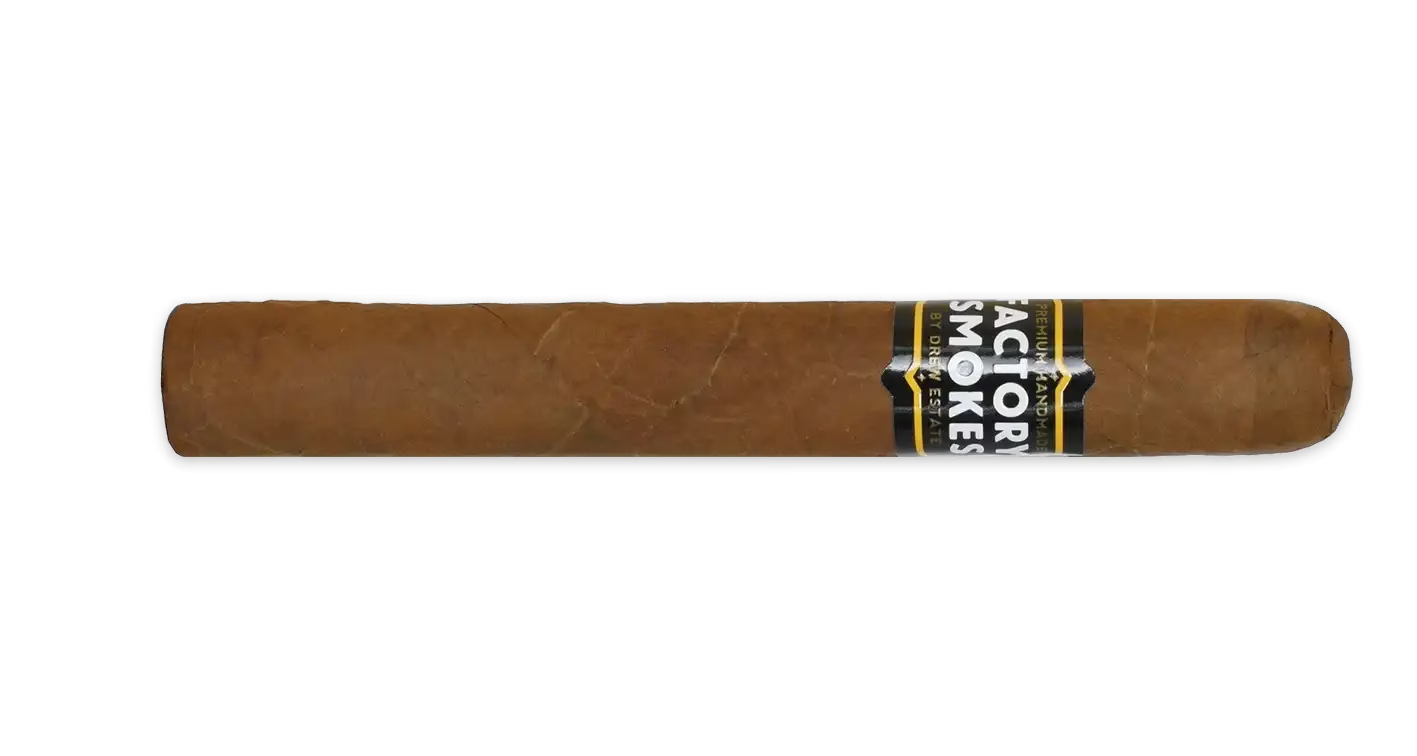
Factory Smokes by Drew Estate
1
15.2
52
-
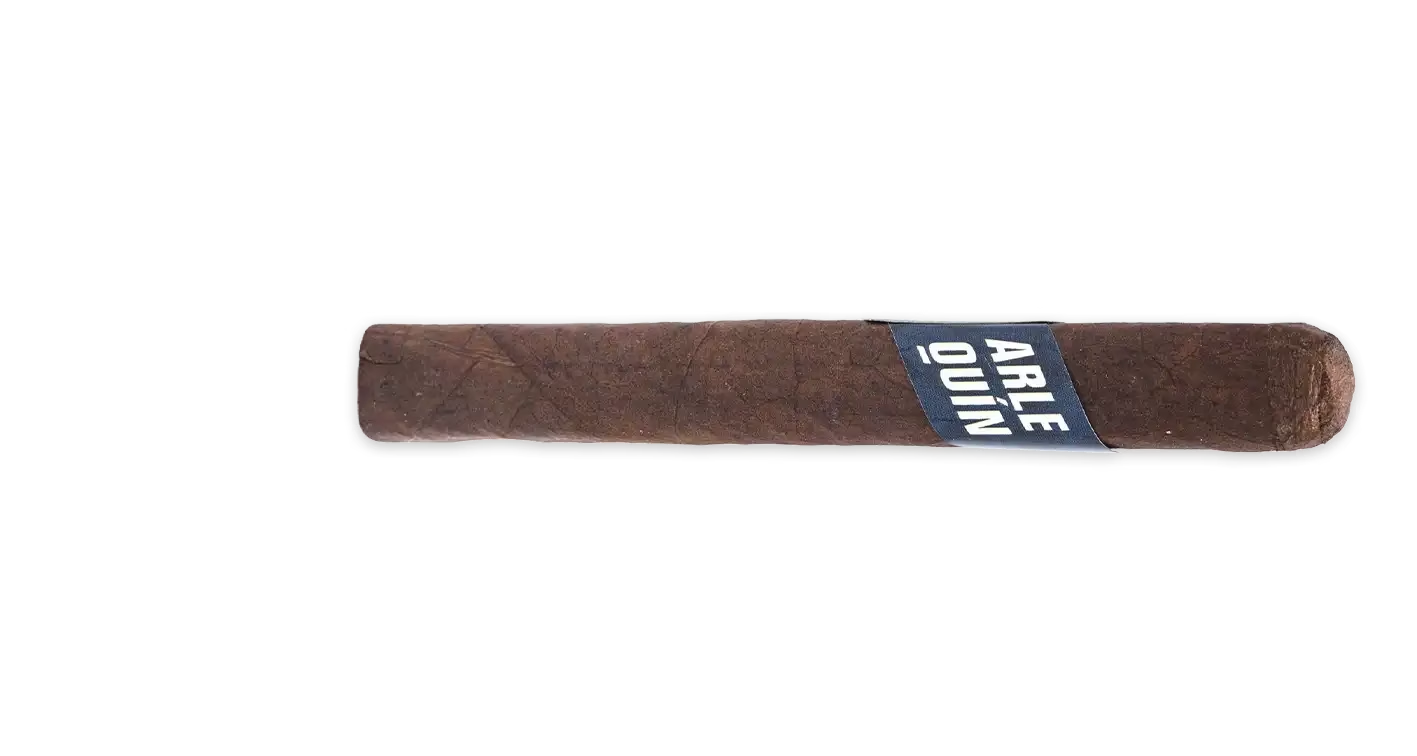
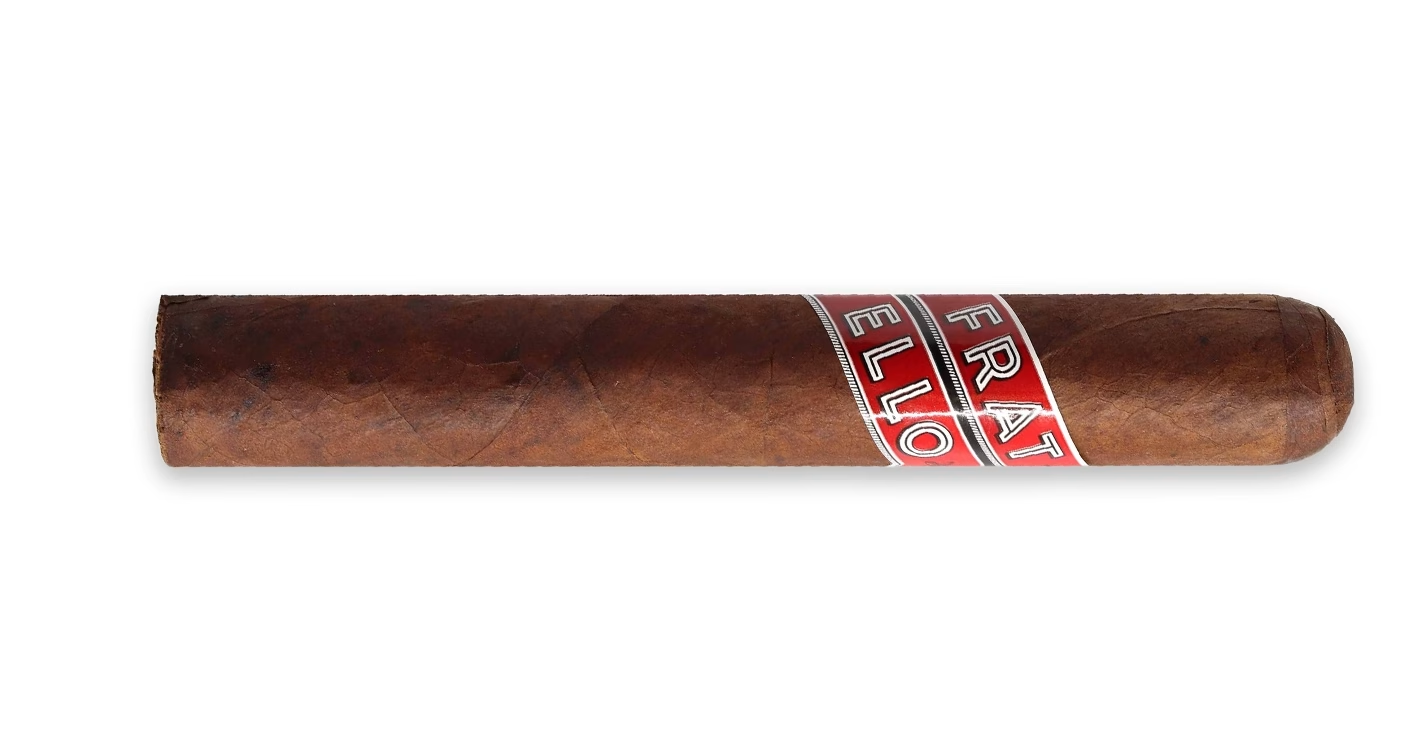
Fratello Arlequin Maduro Robusto
3
12.7
52
-
-
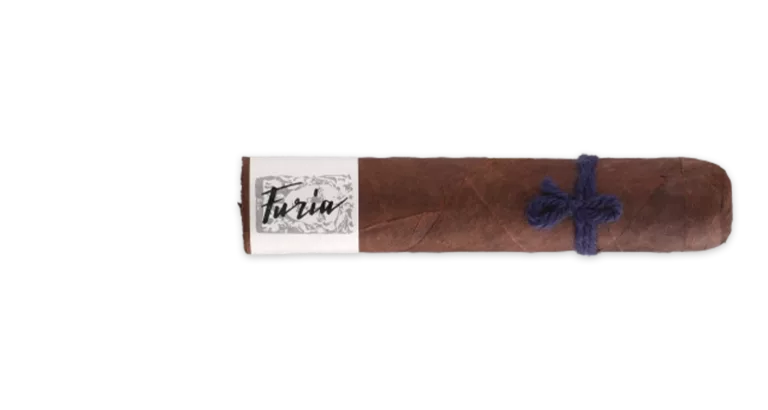
Furia Alecto
4
11.5
56
-
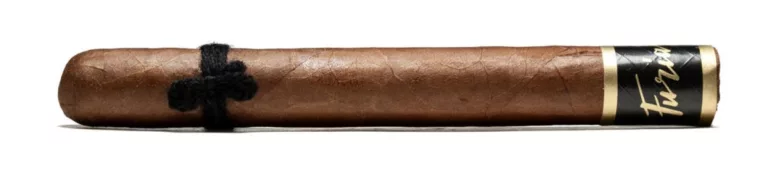
Furia Inanna²- édition limitée
3
15.2
48
-
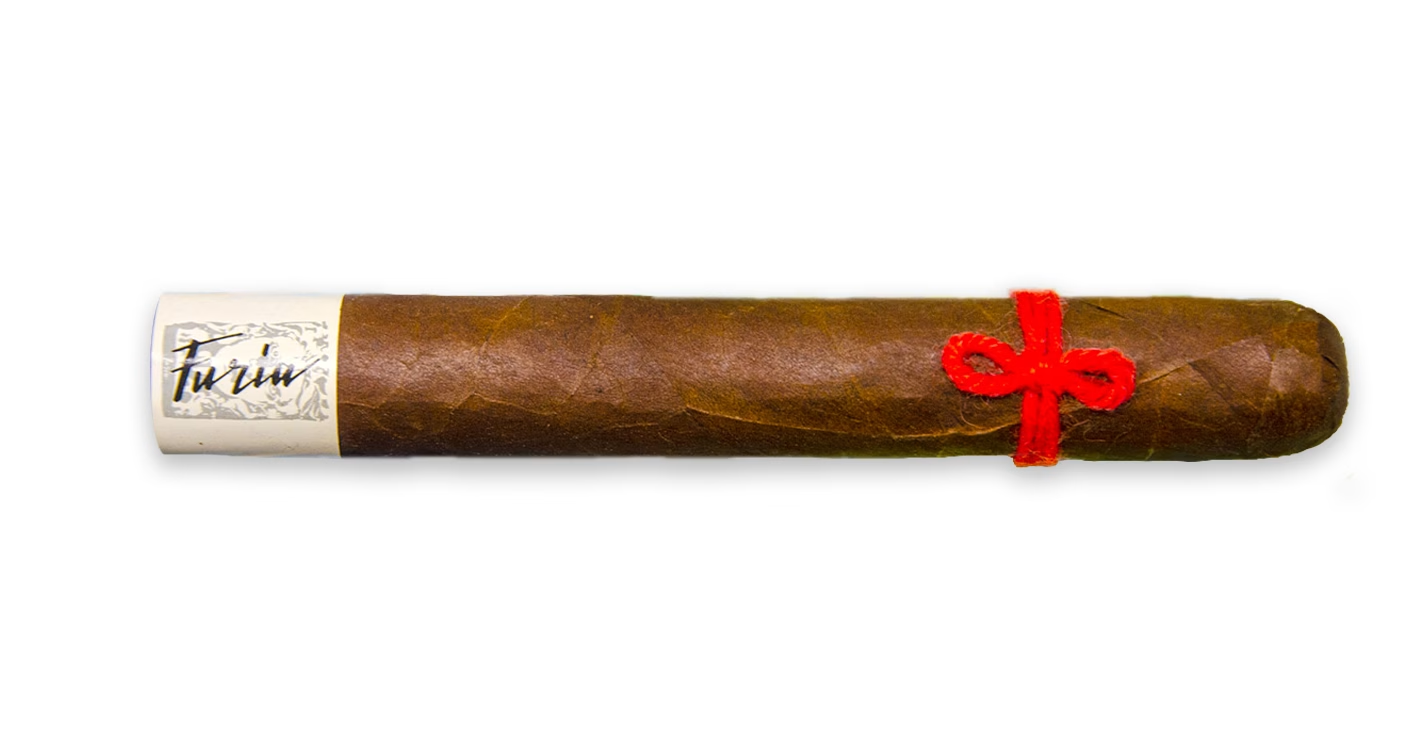
Furia Tisiphone
1
16.5
-
Gilbert Classic Perla
1
10.1
40
-
-
-
-
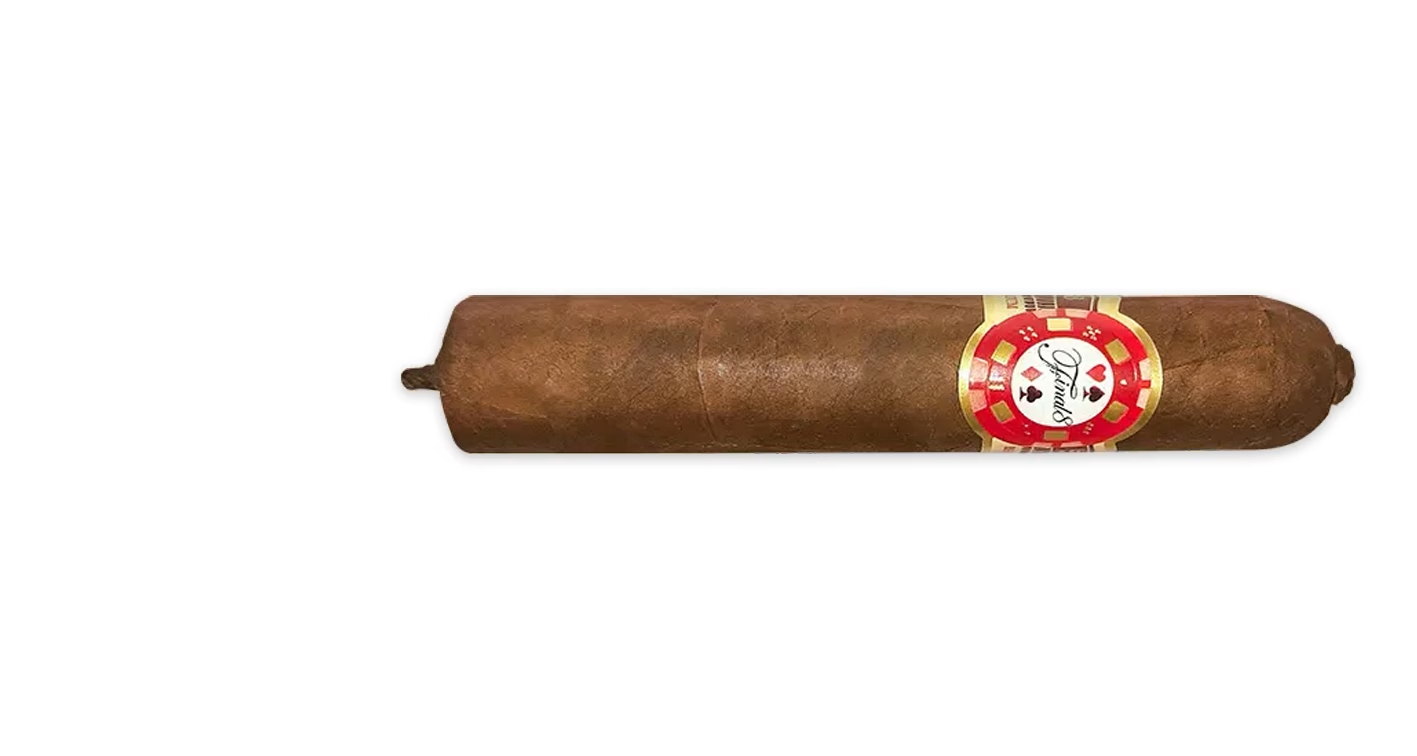
Horacio Final 8 – 58
3
11.5
58
-
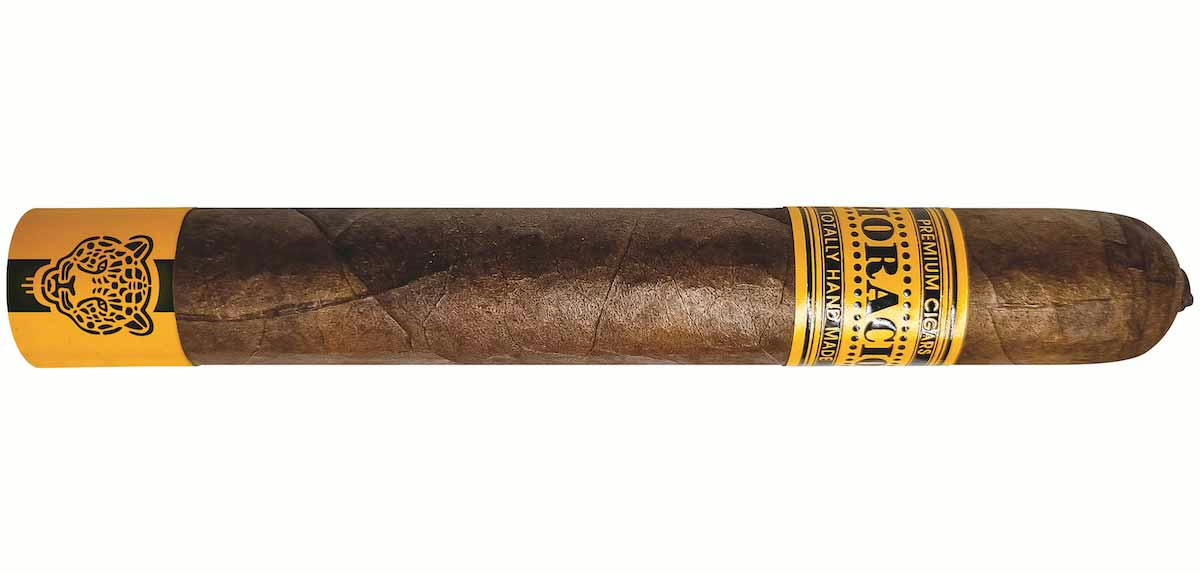
Horacio Pantera 54
3
15.9
54
-
Horacio Pasión 48
2
14.2
48
-
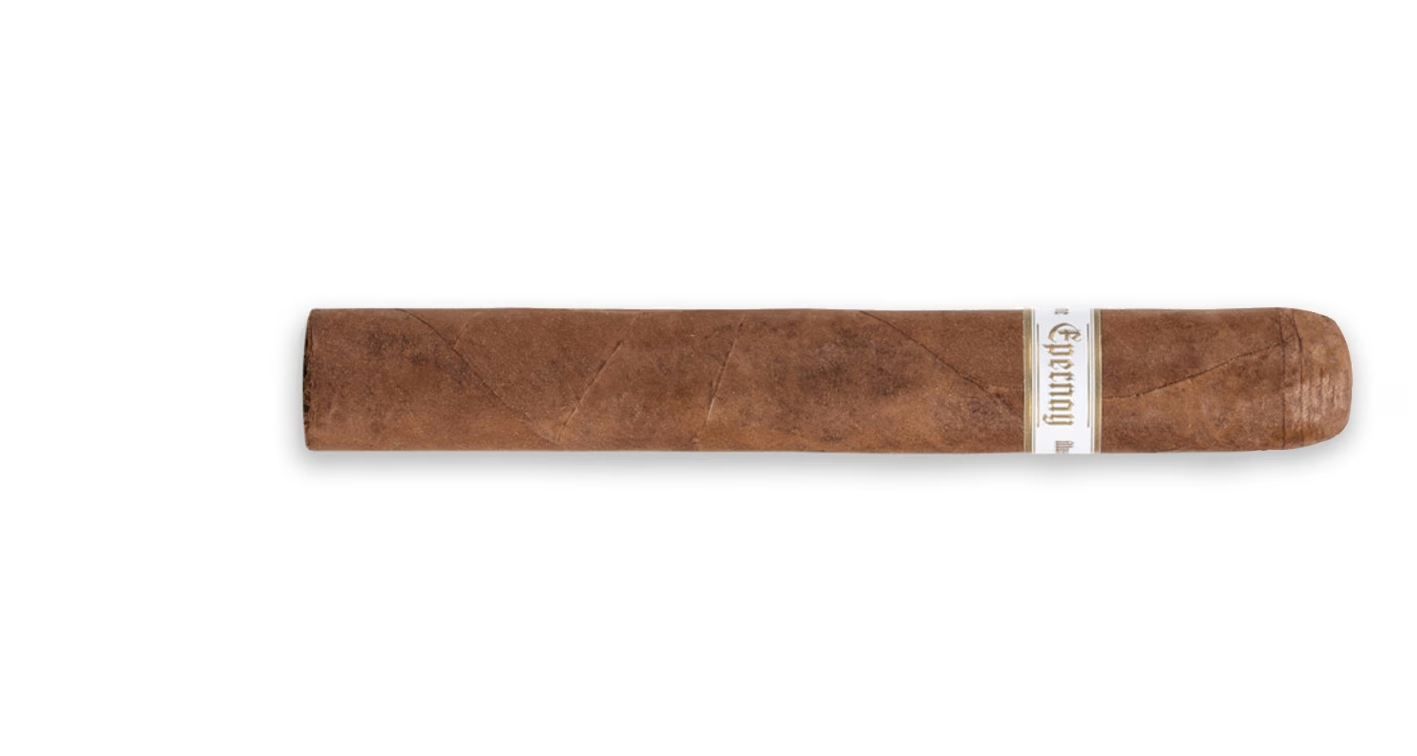
Illusione Epernay Le Ferme
3
13.33
48
-
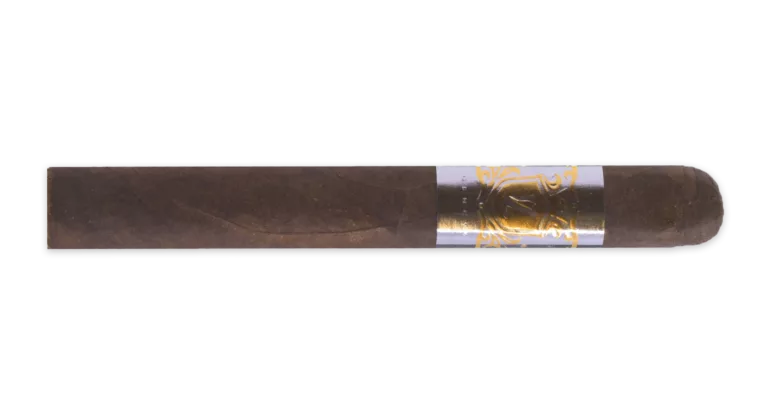
IZ Box pressed – Izambar
4
16.5
52
-
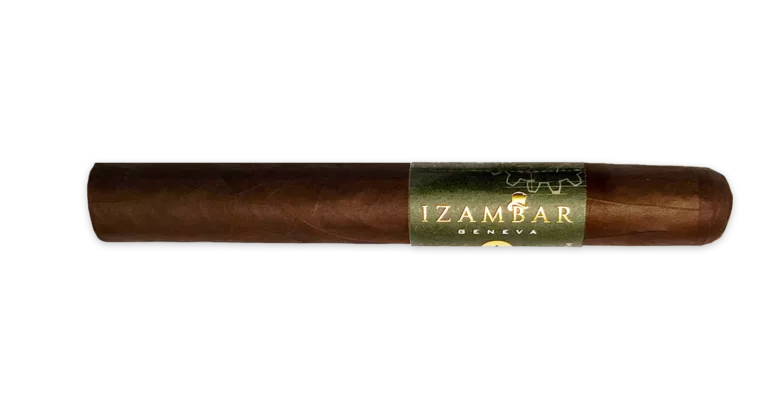
Izambar Athenaeum
2
15.2
52
-
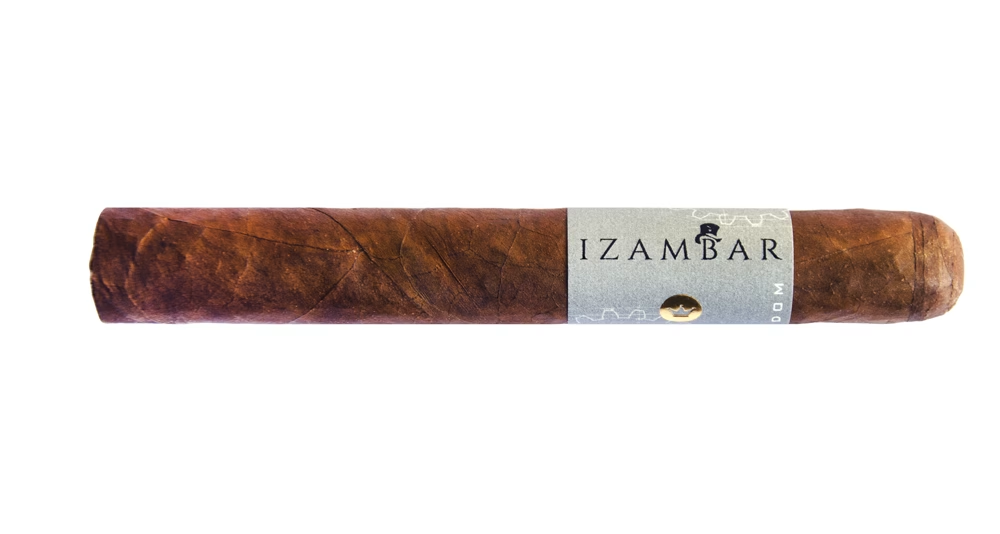
Izambar Kingdom
3
18.8
54
-
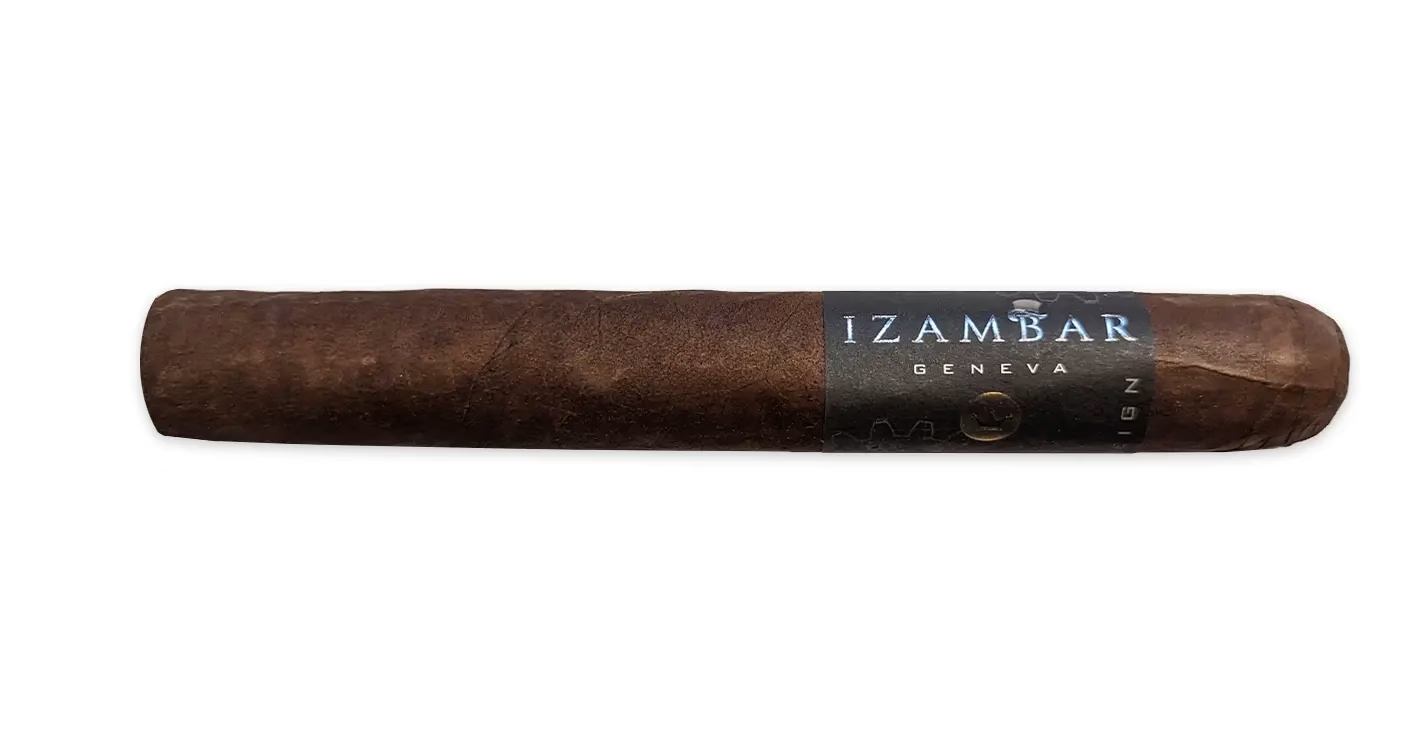
Izambar Sovereign Robusto Extra
4
15.8
54
-
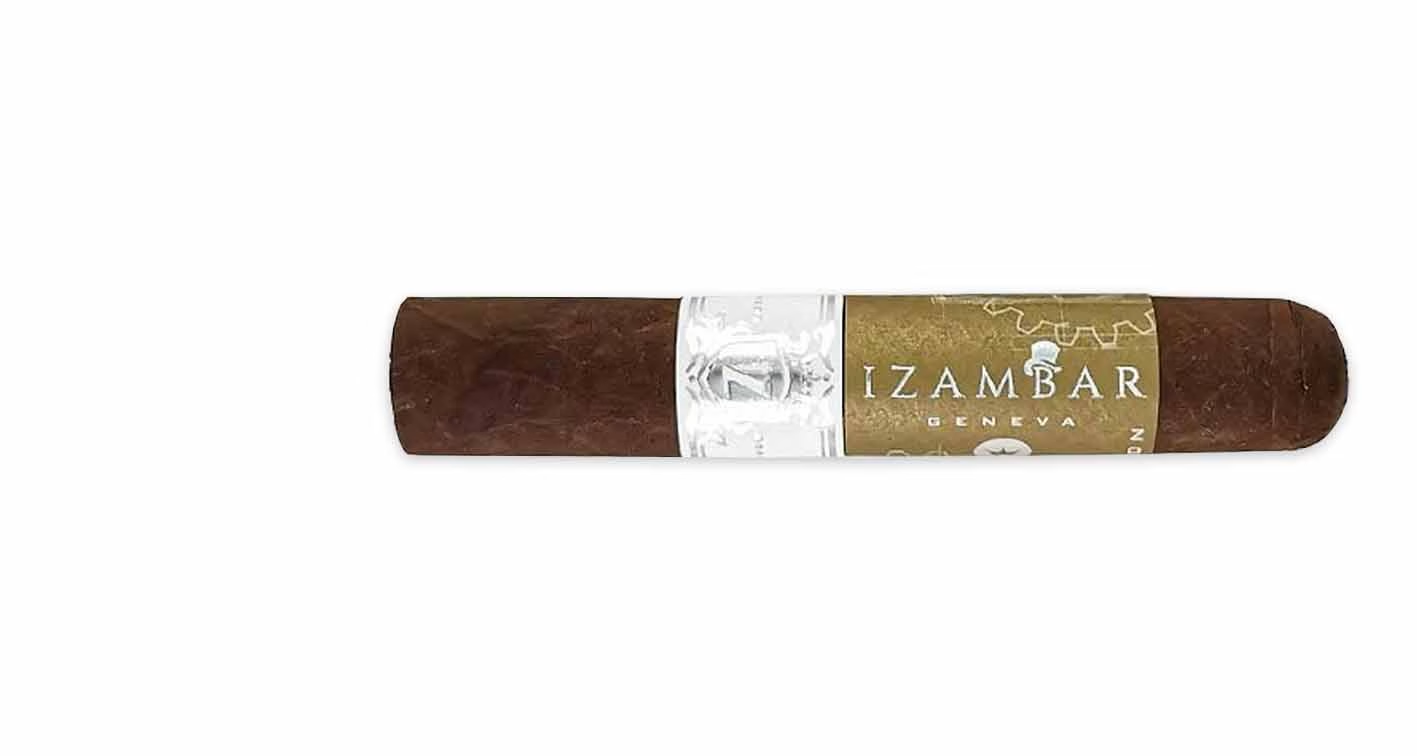
Izambar Swindon
5
12.7
-
-
-
-
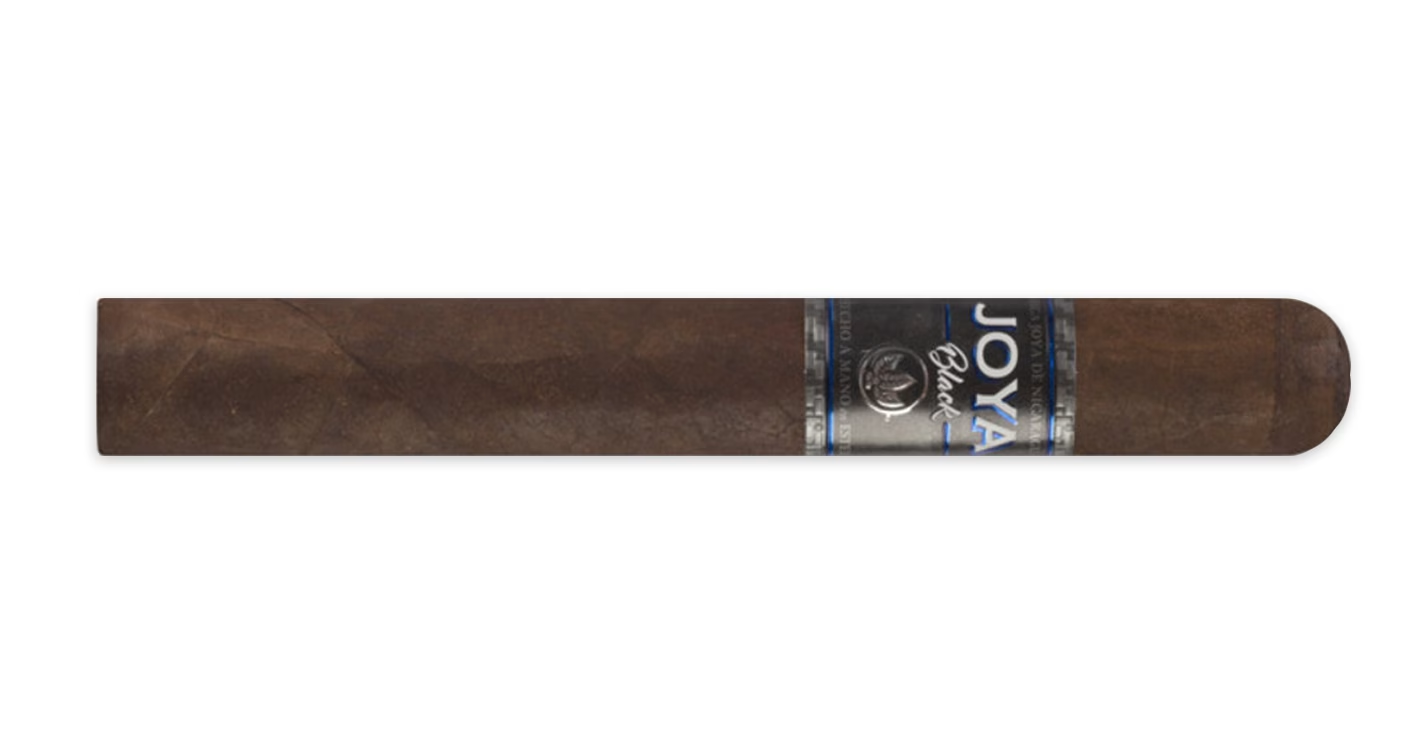
Joya de Nicaragua Black Nocturno
3
15.9
50
-
-
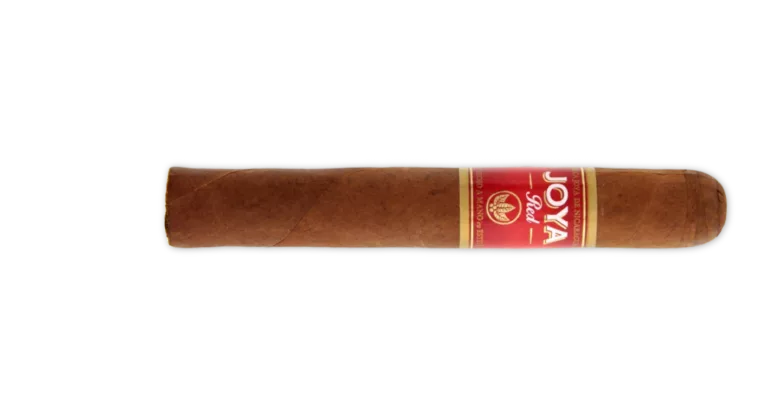
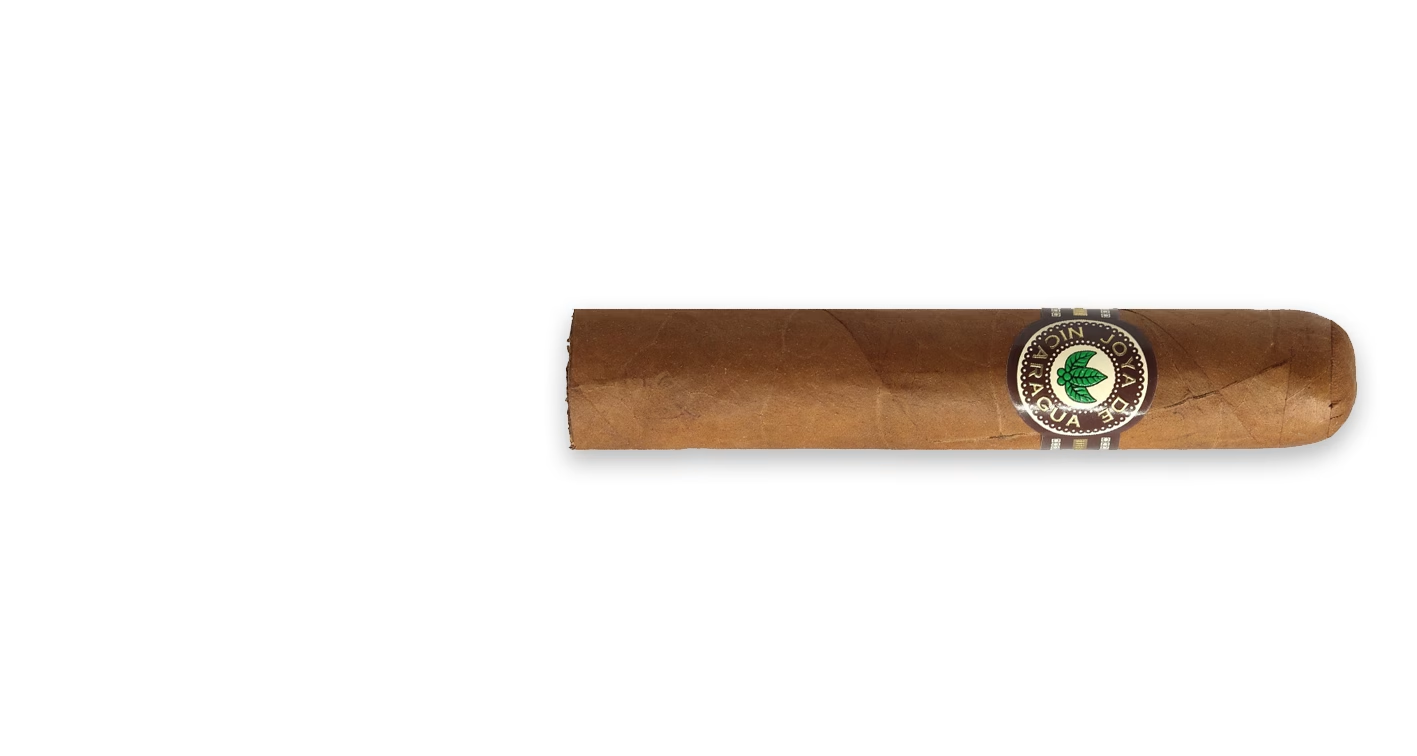
Joya De Nicaragua Red Robusto
3
13.3
50
-
-
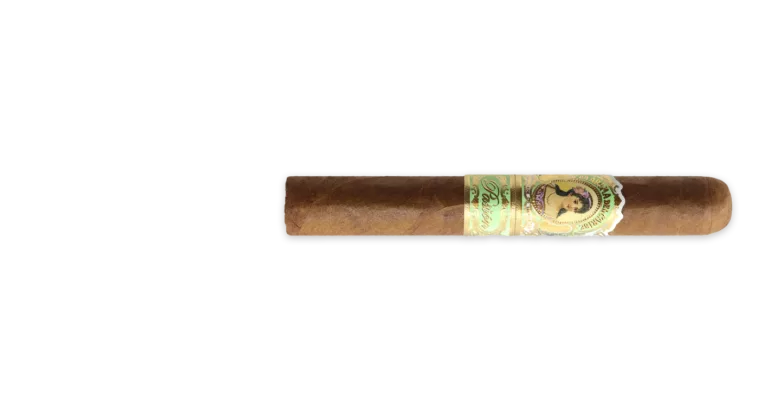
La Aroma del Caribe Pasion
3
10.1
40
-
-
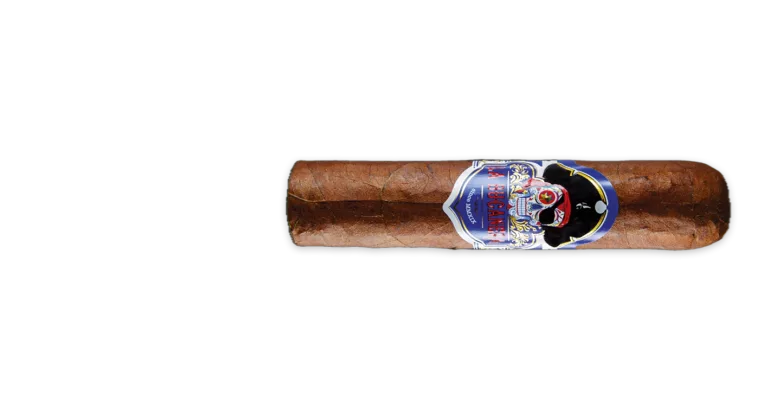
La Bucanera Gordito
3
10.2
60
-
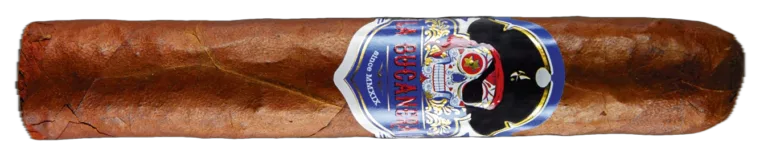
La Bucanera Robusto
4
12.7
52
-
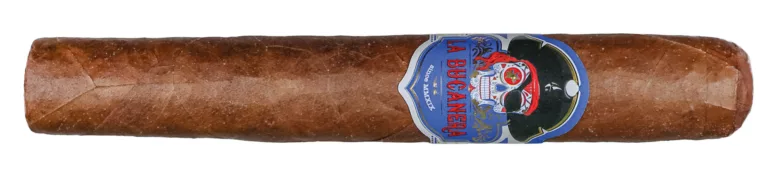
La Bucanera Toro
3
13.3
54
-
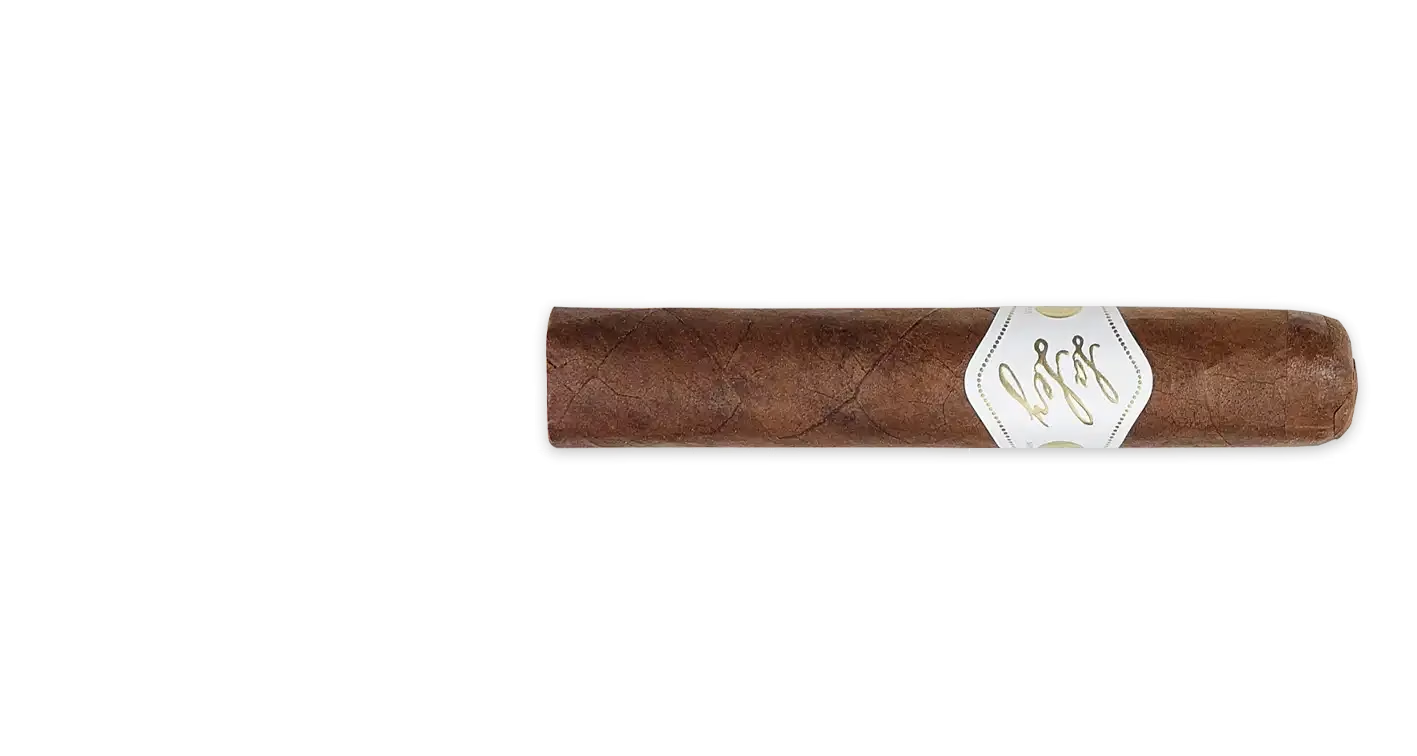
La Ley Mareva
3
10.16
44
-
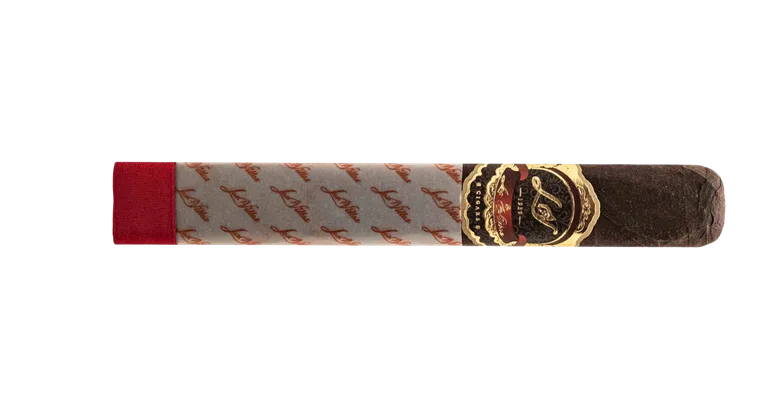
Las Villas Gran Toro
3
15.12
54
-
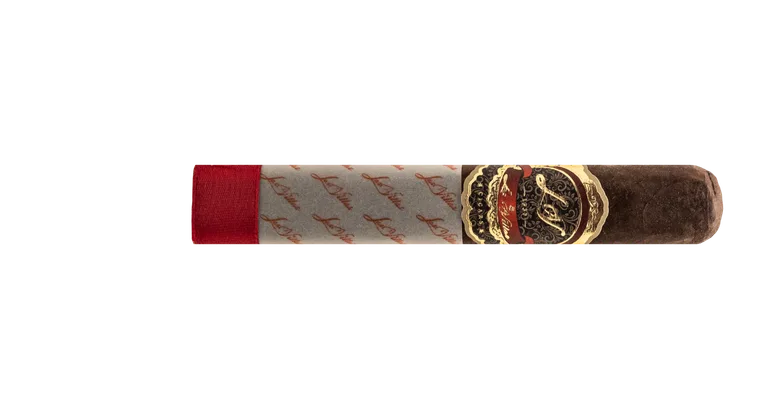
Las Villas Maduro Robusto
4
12.7
52
-
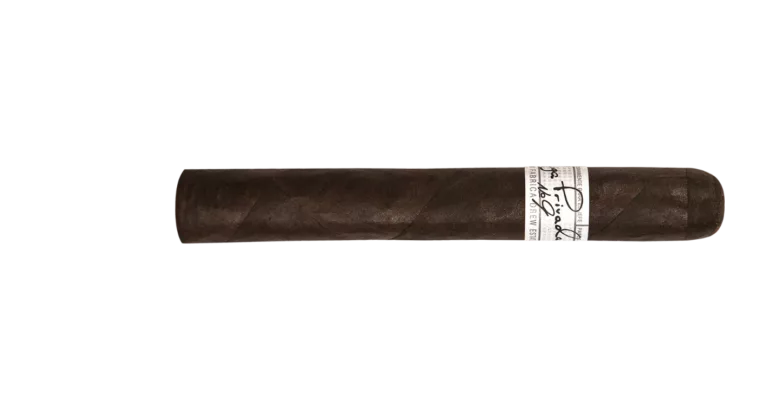
Liga Privada No. 9 Toro
4
12.7
54
-

Liga Privada T52 Coronets
5
10.1
32
-
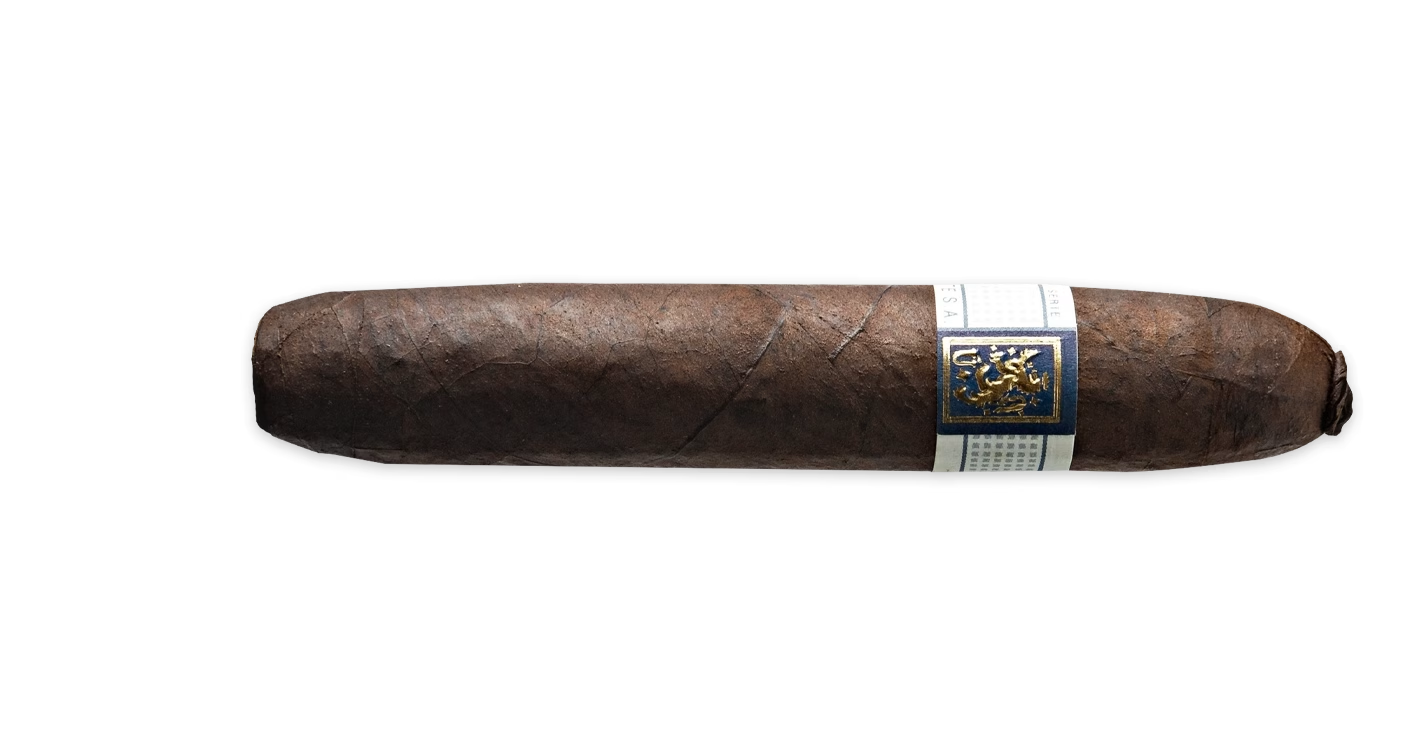
Liga Privada Unico Feral Pig
4
13.6
60
-
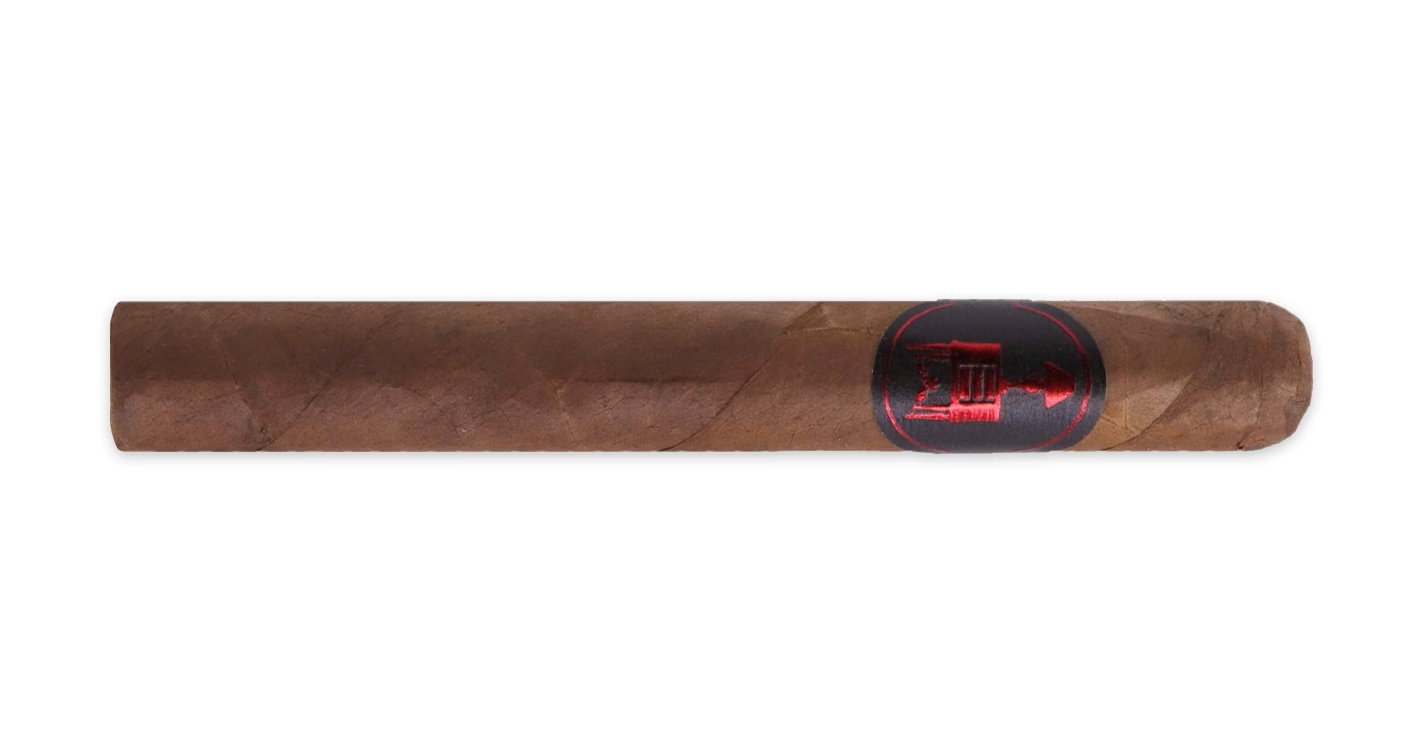
Lost And Found One Night Stand
3
12.7
52
-
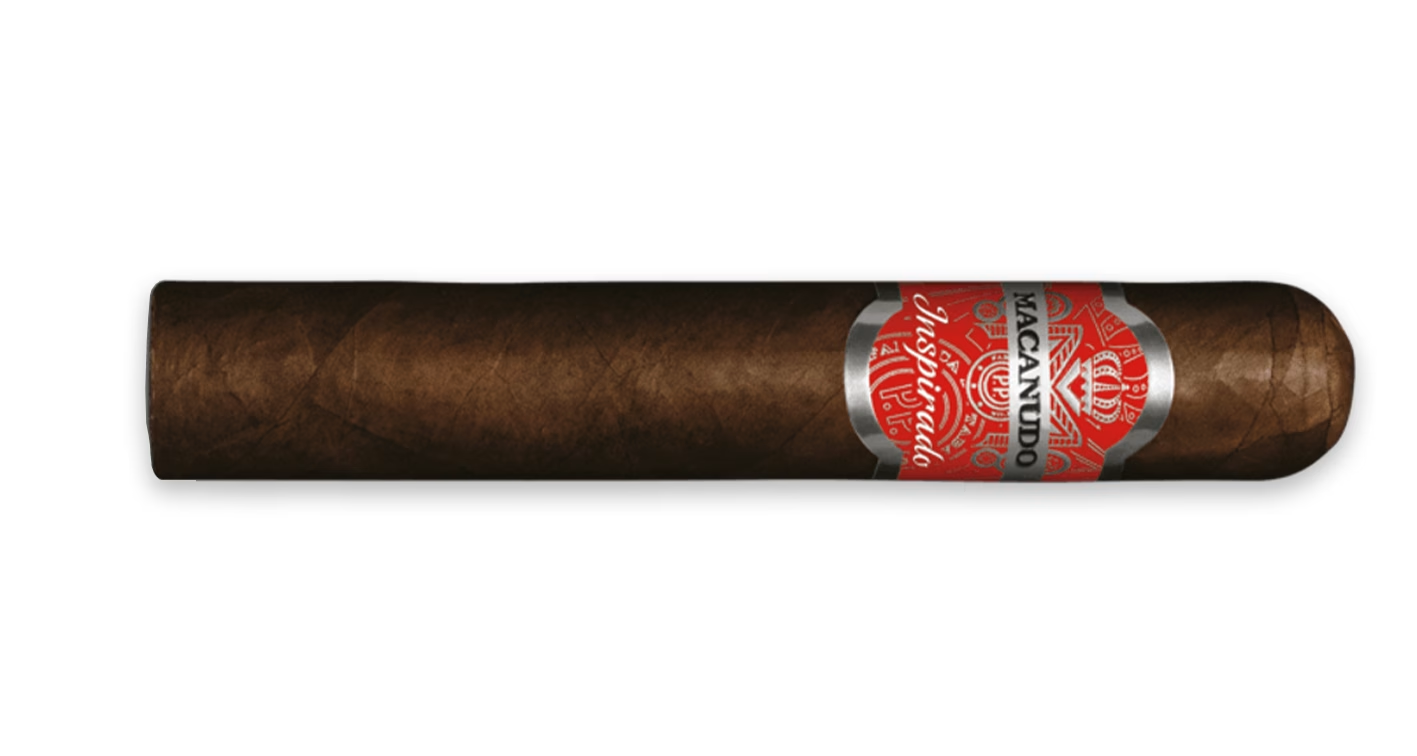
Macanudo Inspirado Red Gigante
5
15.2
60
-
Mombacho Tierra Volcán Fino
1
15.24
-
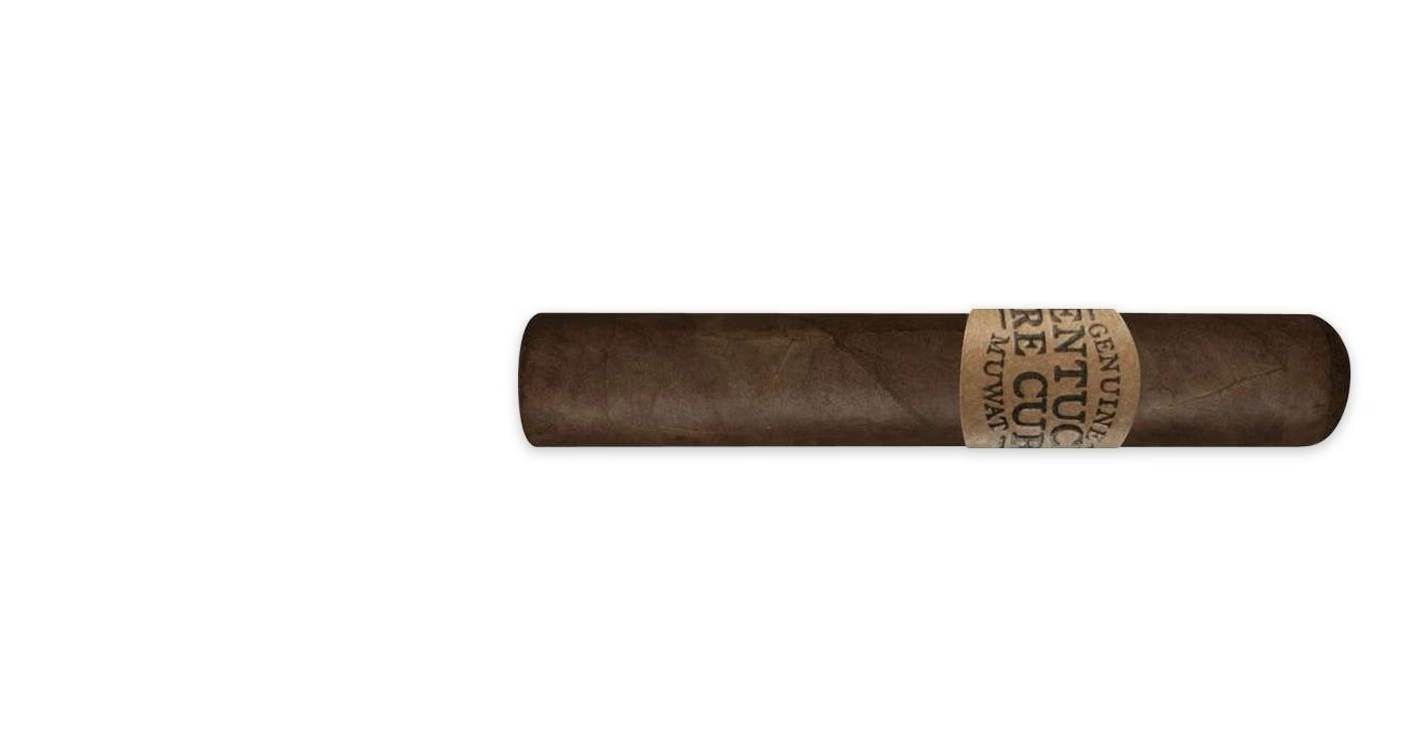
MUWAT Kentucky Fire Cured Chunky
3
10.2
46
-
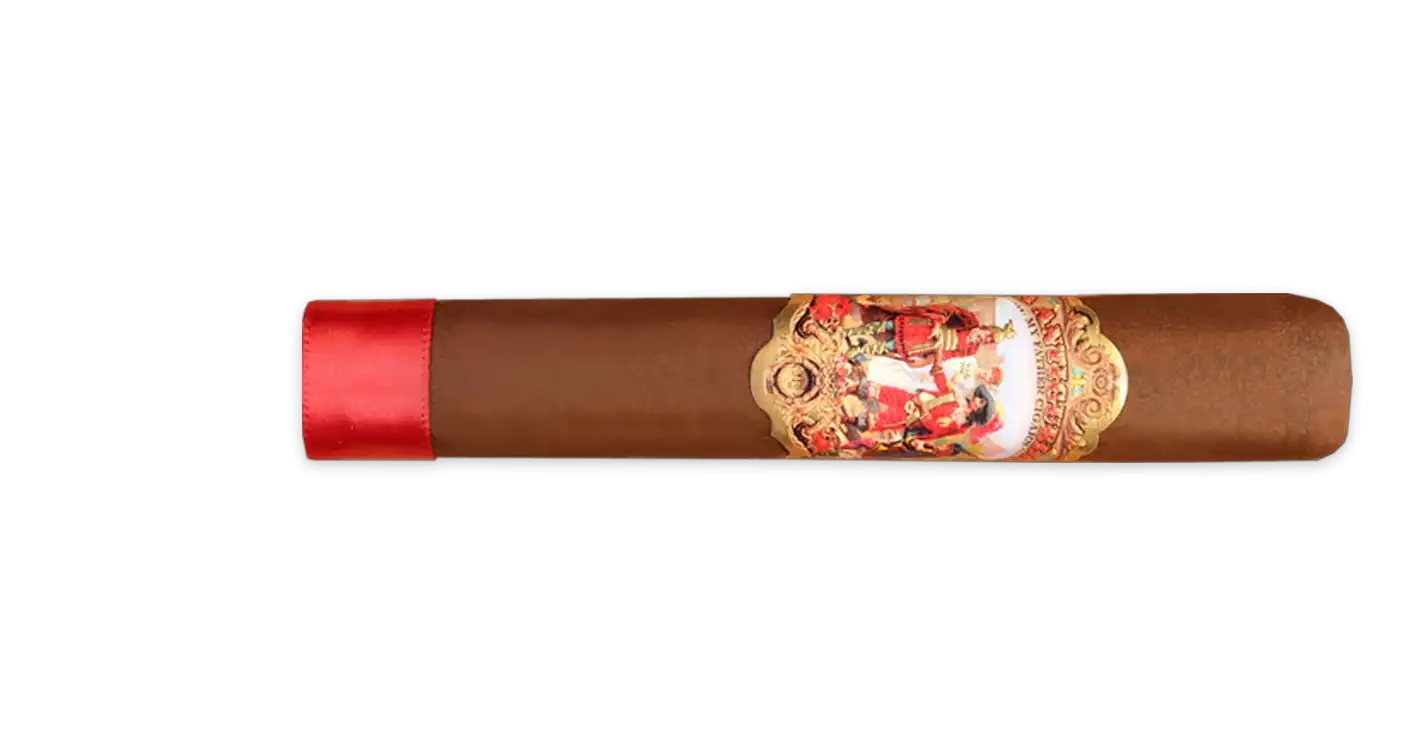
My Father Cigars La Antiguedad
5
13.3
52
-
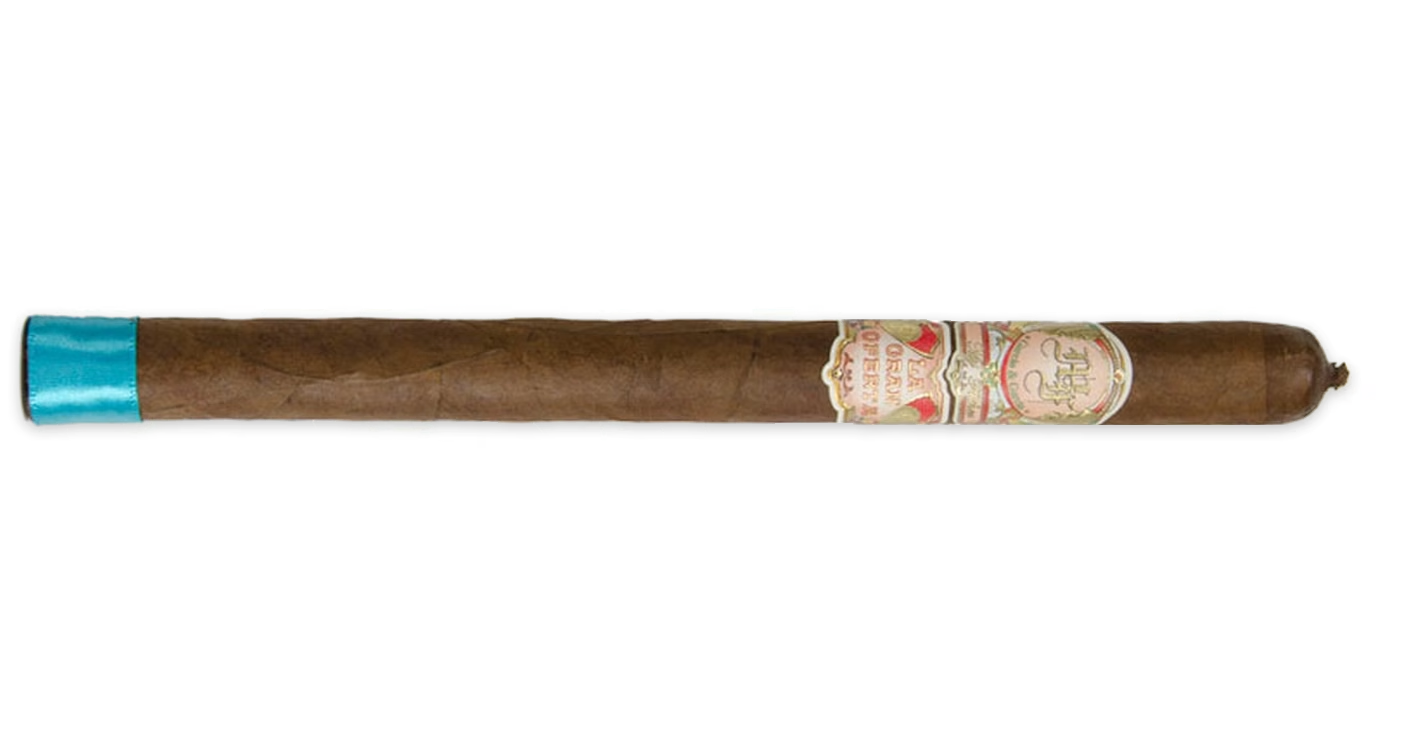
-
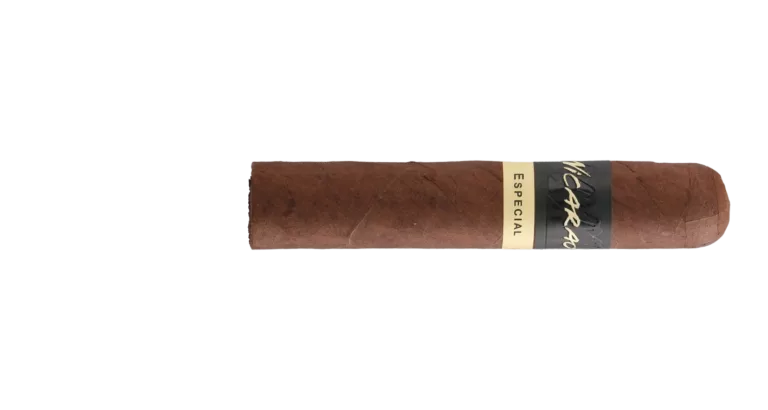
Nicarao Especial Torito
4
11.4
54
-
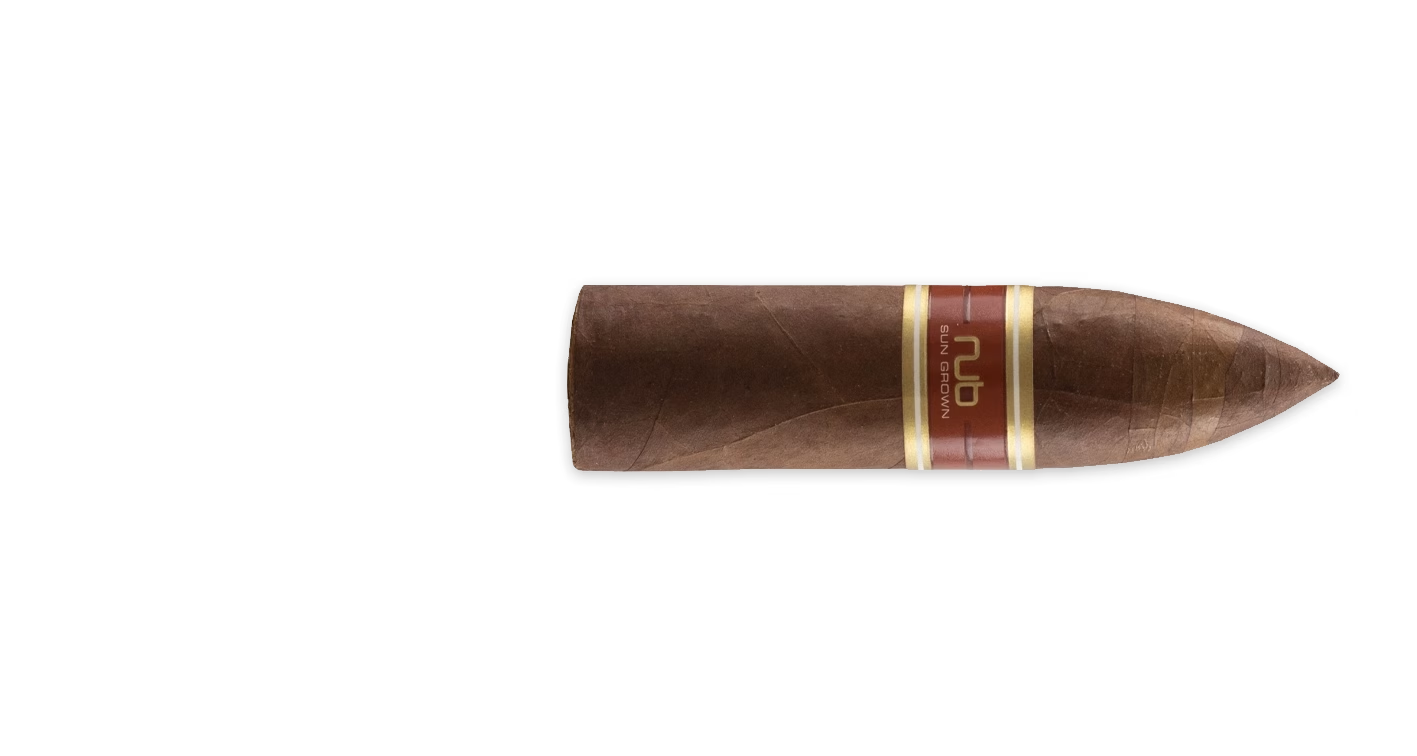
NUB Sun Grown 464 Torpedo
3
10.2
64
-
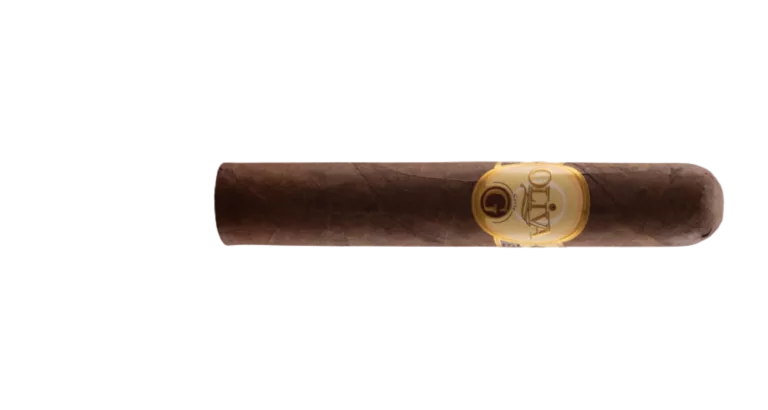
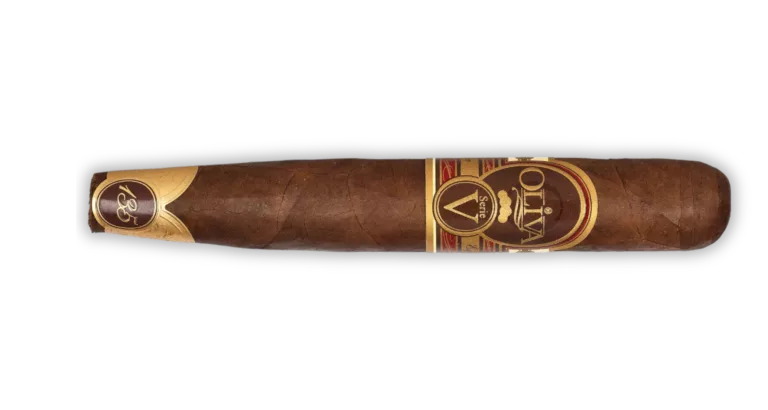
Oliva Serie G Robusto
3
12.7
54
-
-
-
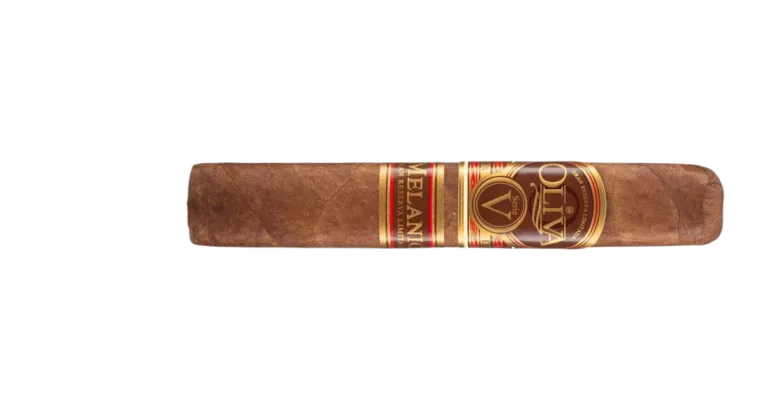
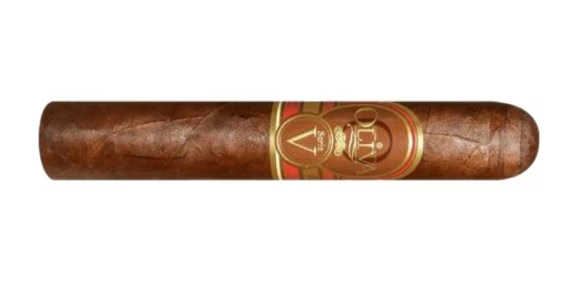
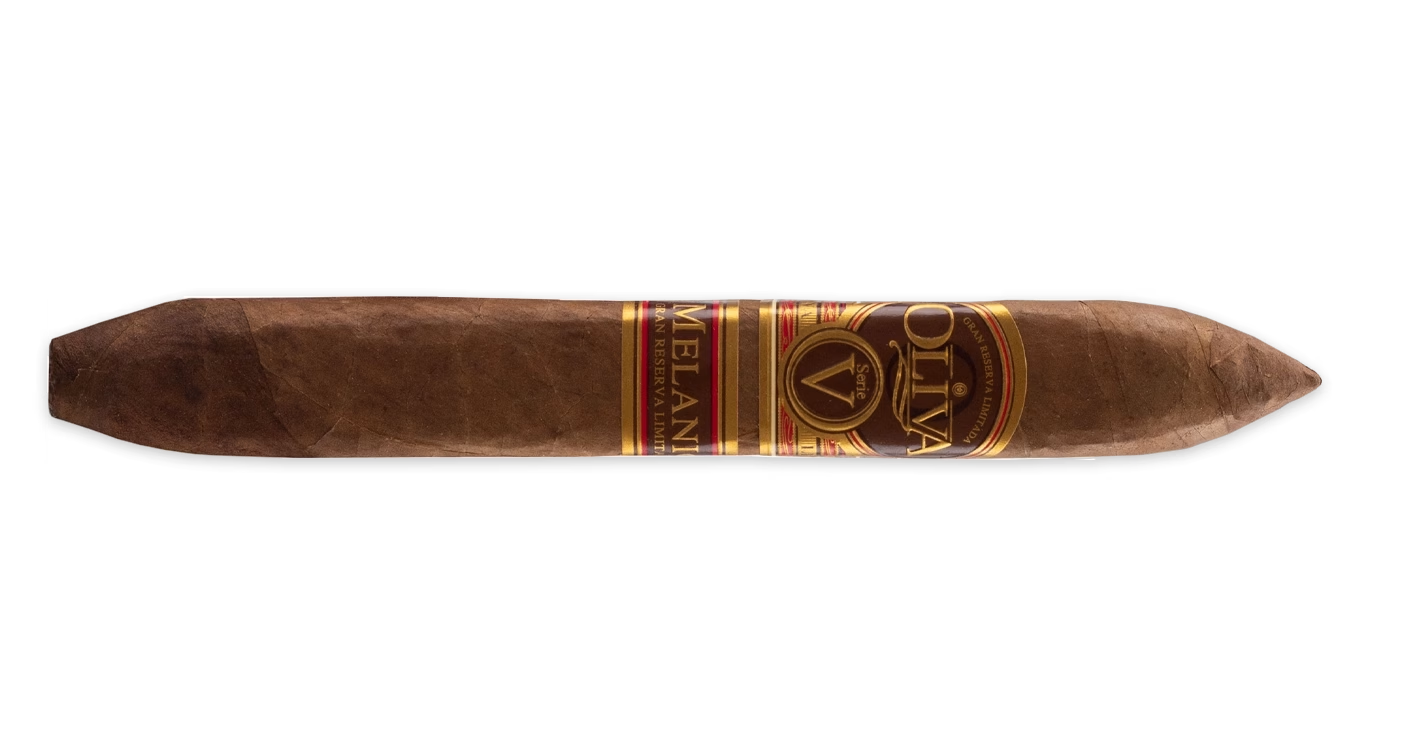
Oliva Serie V Melanio
4
12.7
52
-
-
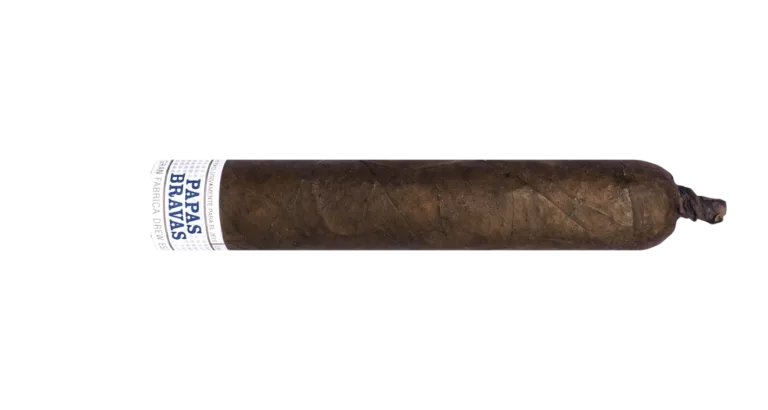
Papas Bravas Robusto
3
12.7
54
-
-
-
-
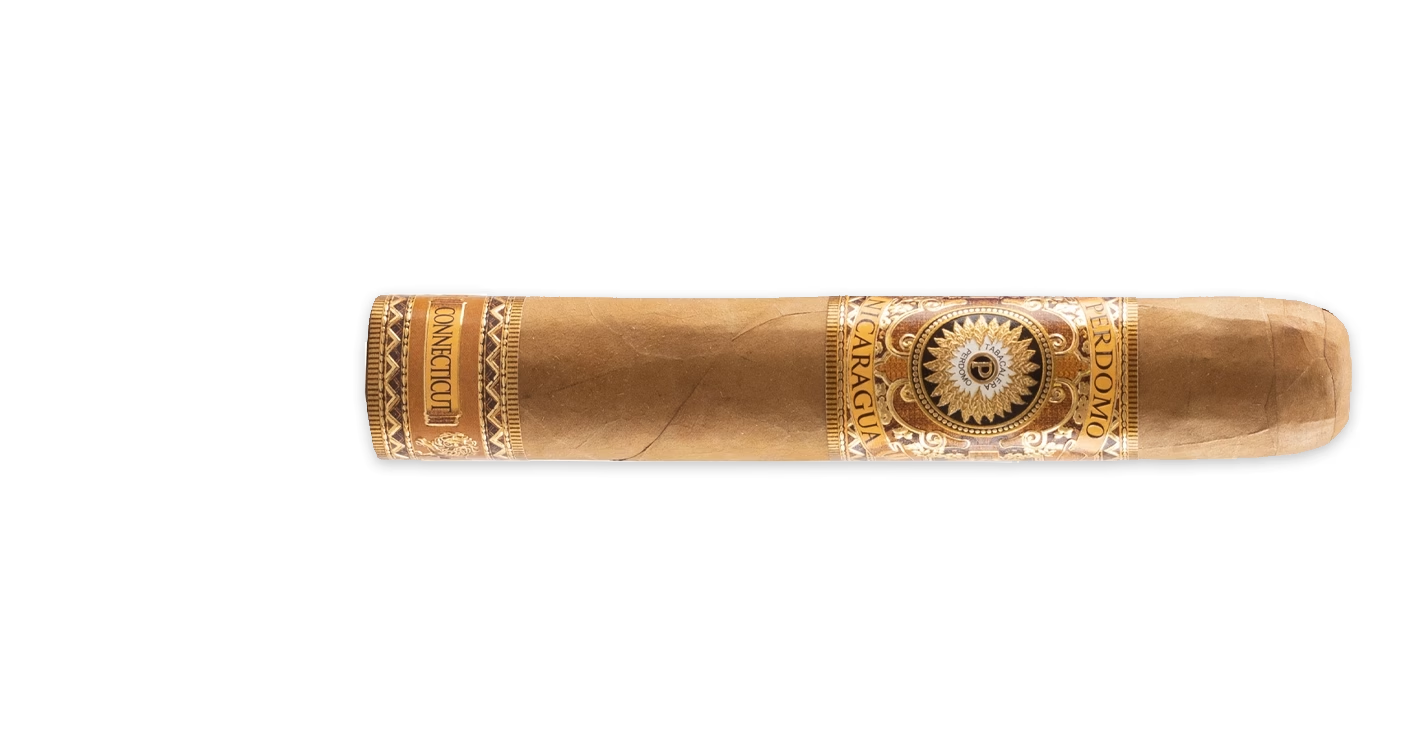
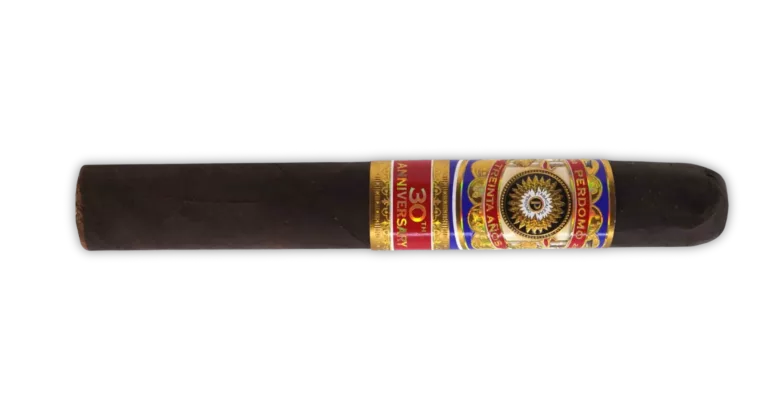
Perdomo Nicaragua BBA Sun Grown
3
12.7
54
-
-
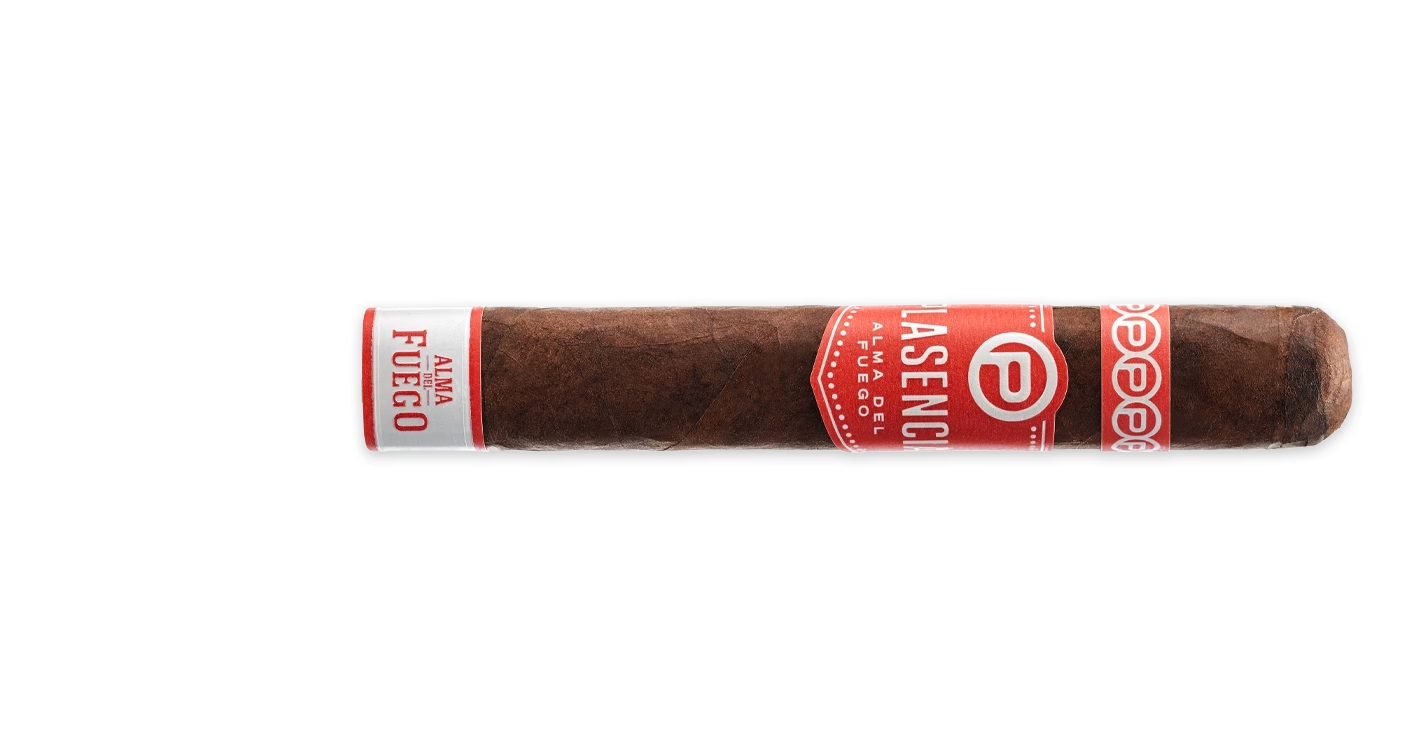
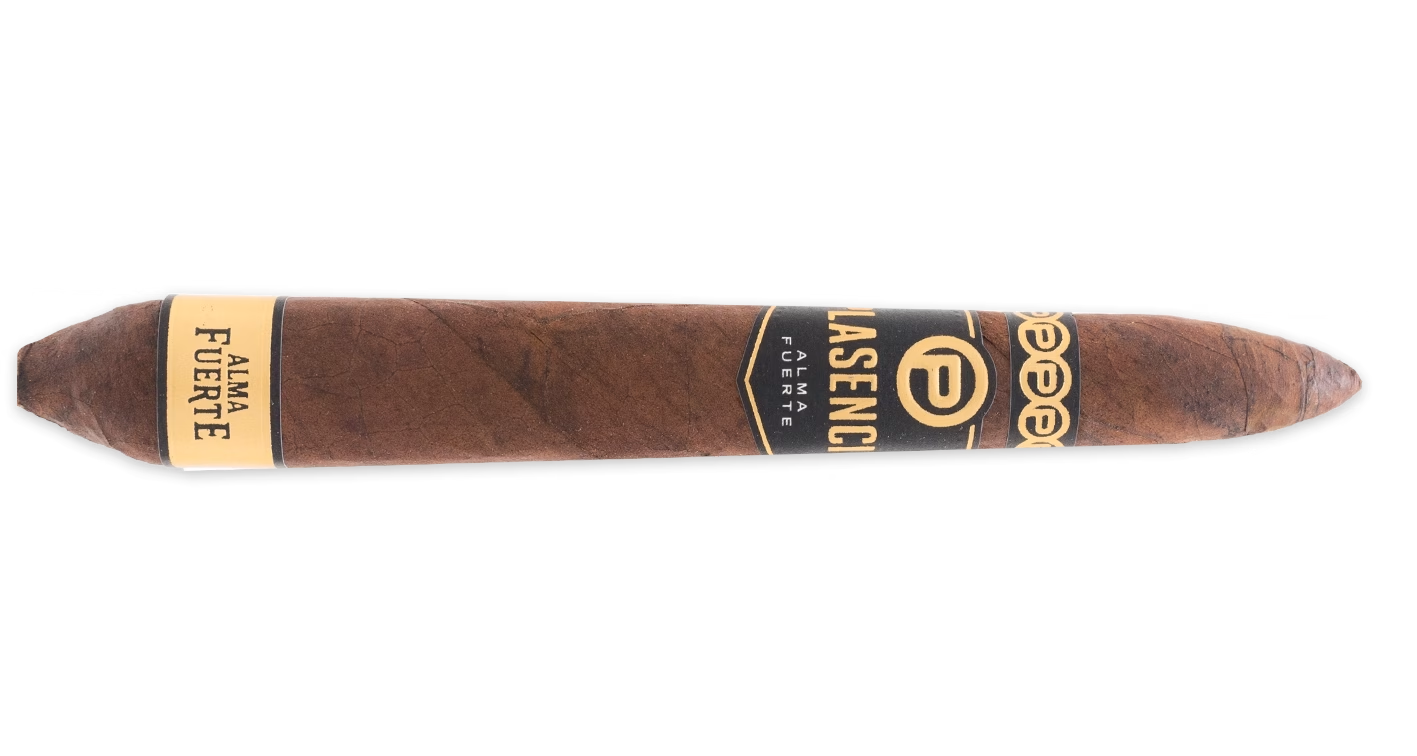
Plasencia Alma del Fuego Robusto
5
12.7
50
-
-
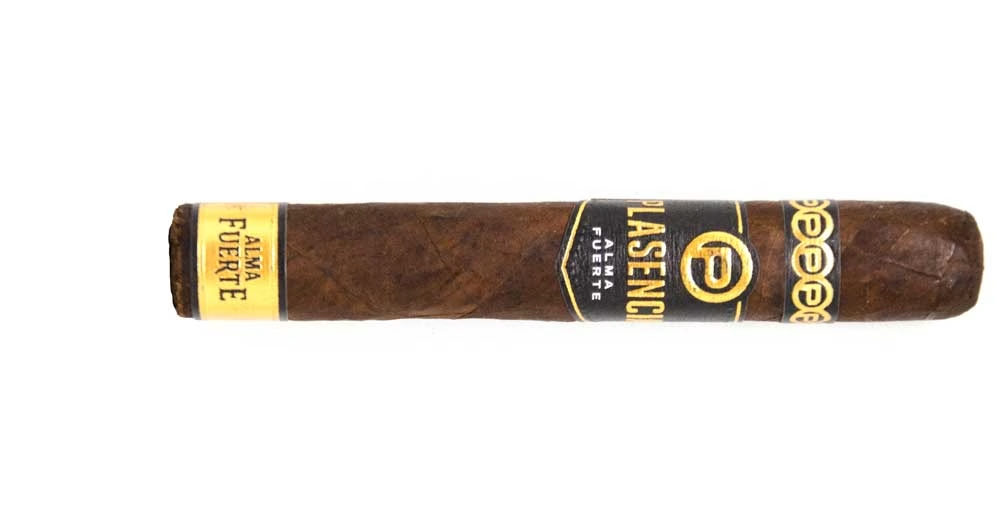
Plasencia Alma Fuerte Robustus I
5
13.3
52
-
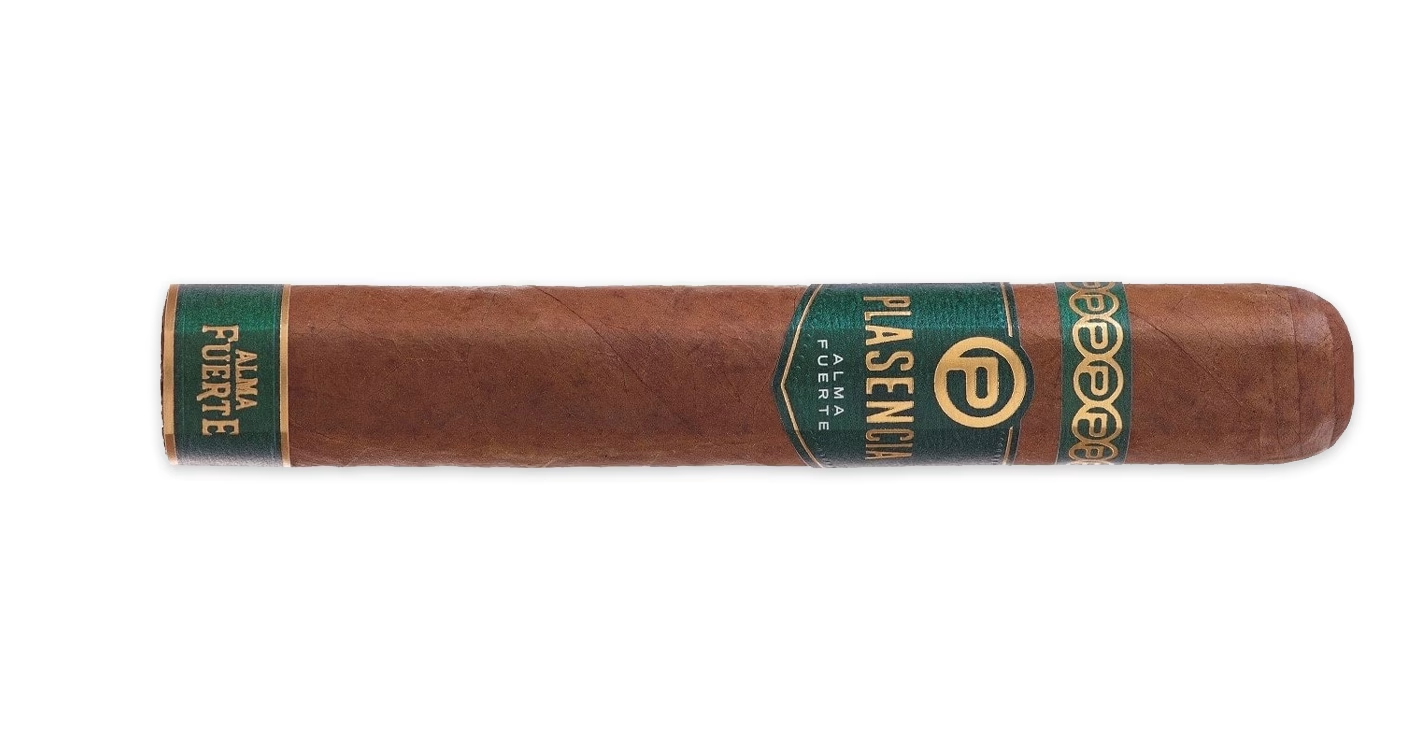
Plasencia Alma Fuerte Sixto I
5
15.8
60
-
-
-
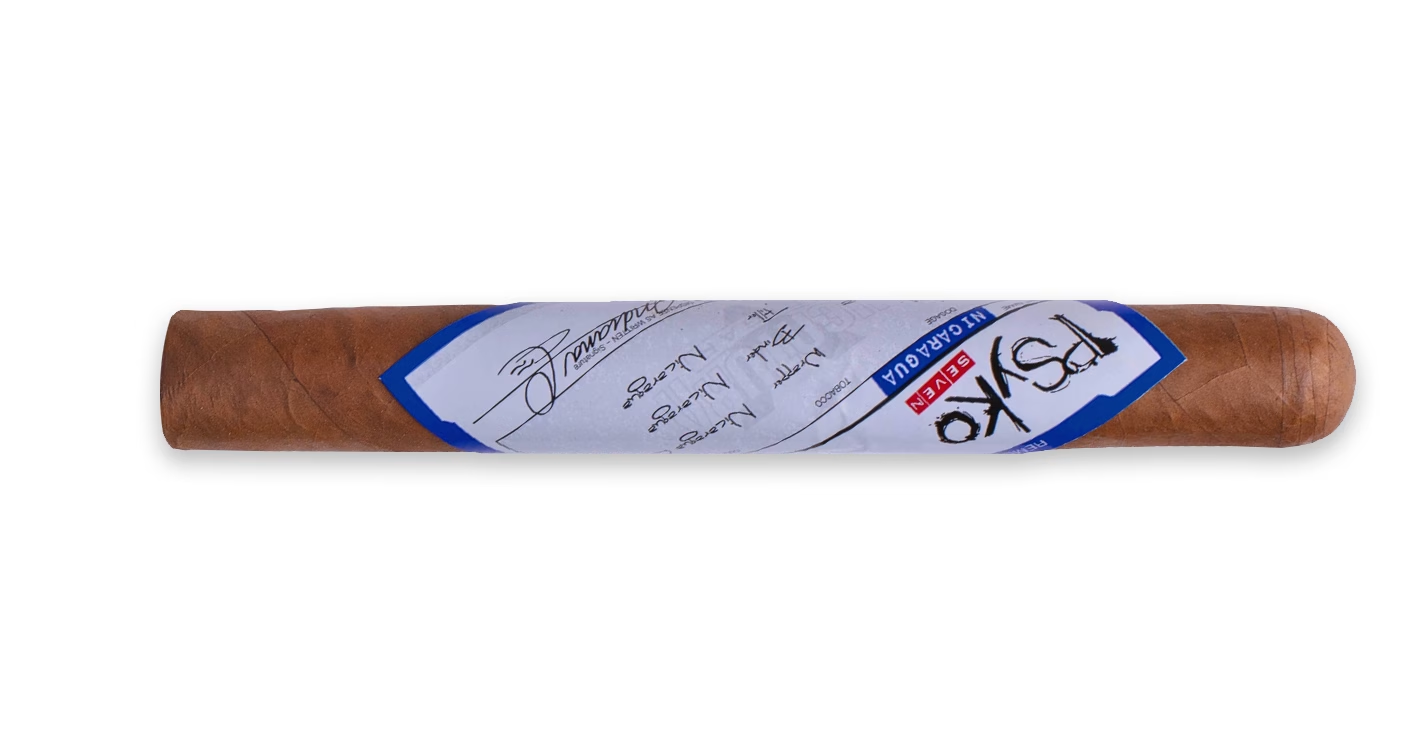
Psyko 7 Nicaragua Toro
3
15.2
-
-

-
-
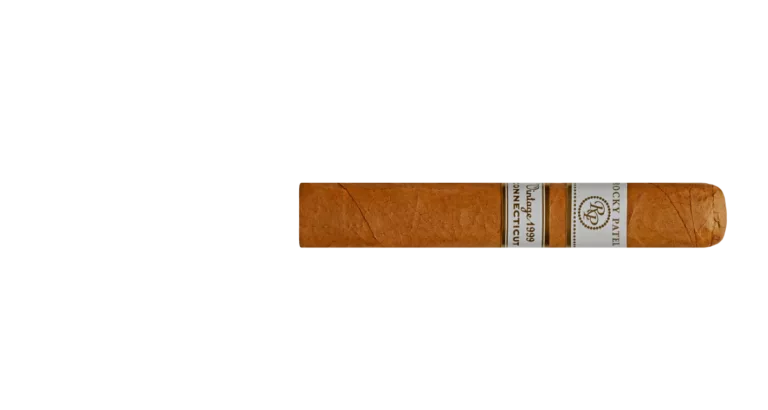
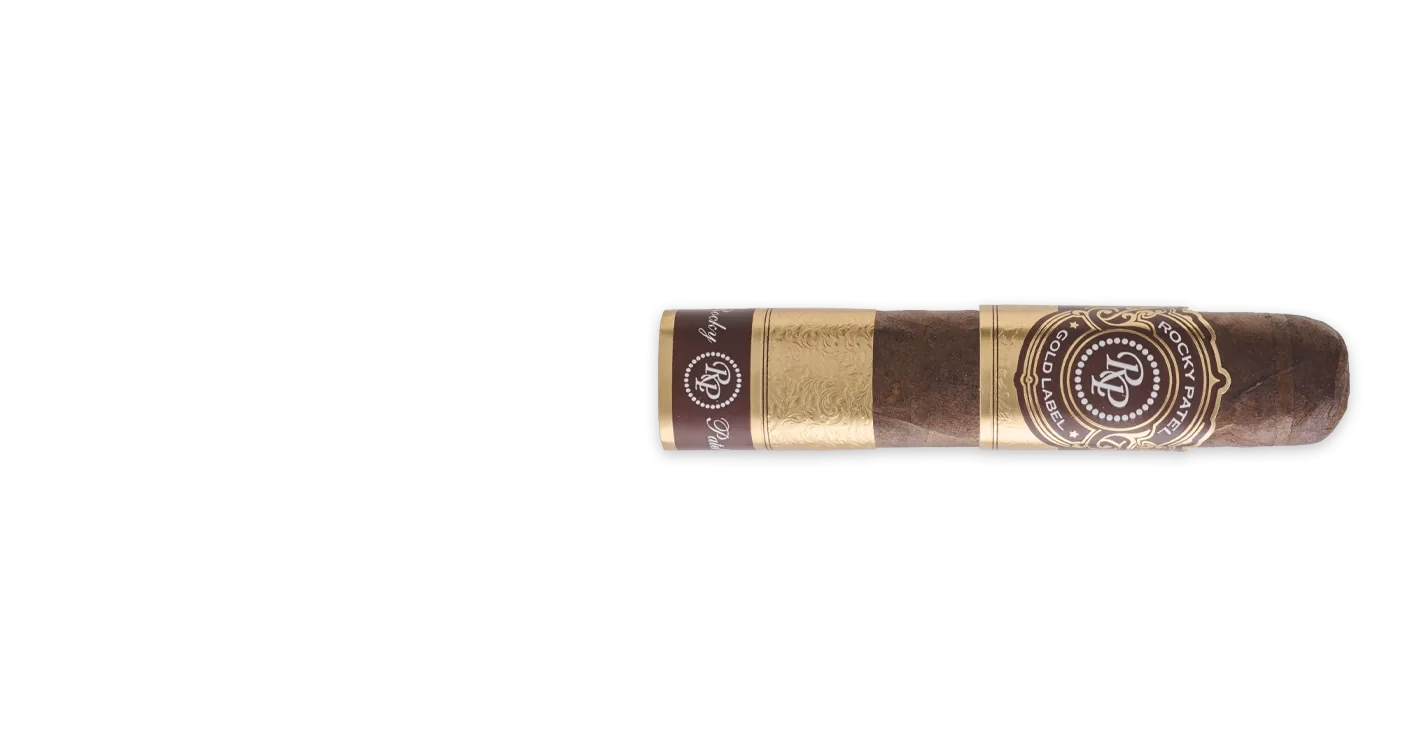
Rocky Patel Vintage 1999 Junior
3
10.2
38
-
-
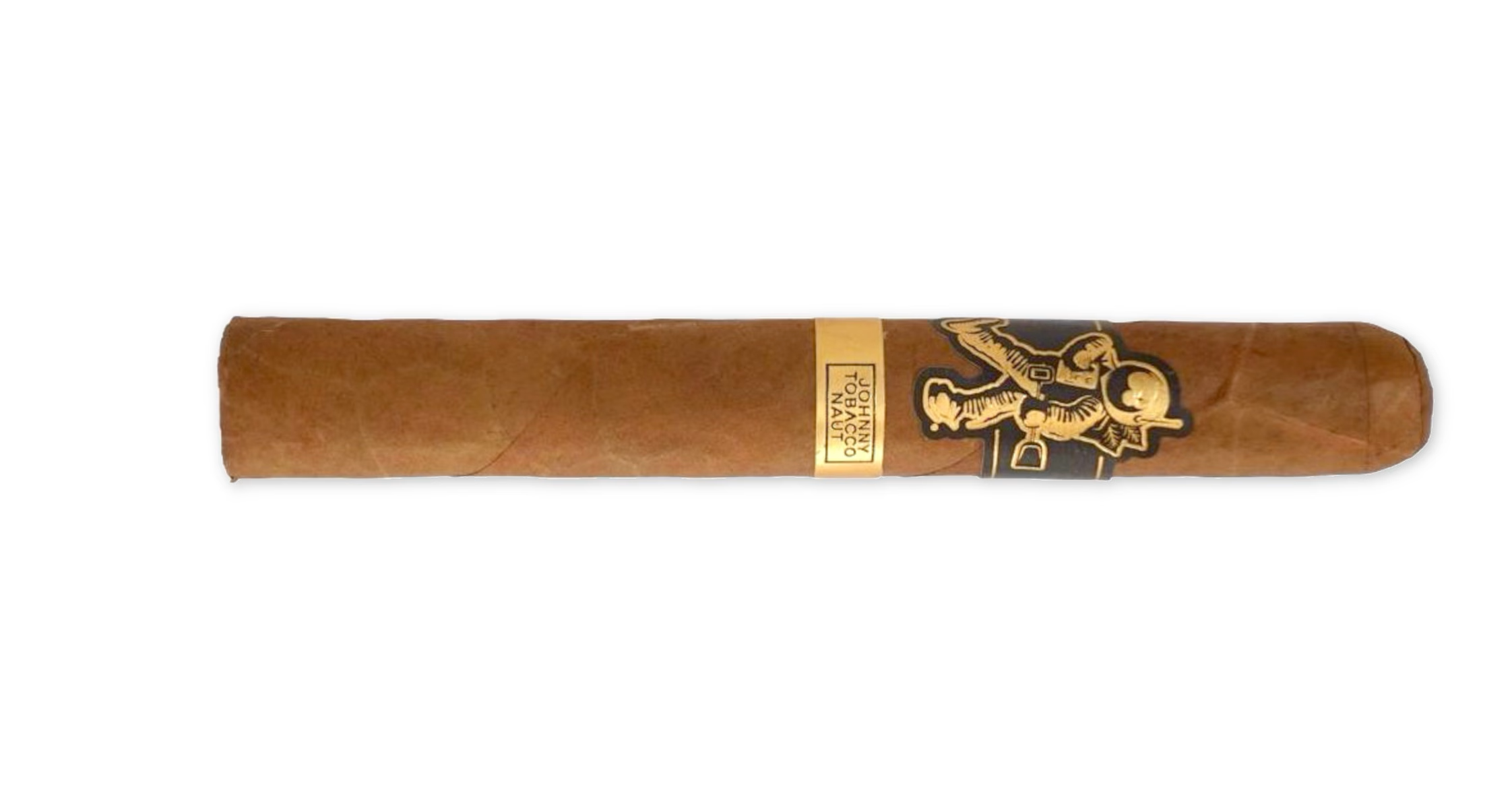
Room101 Johnny Tobacconaut Toro
2
15.24
52
-
-
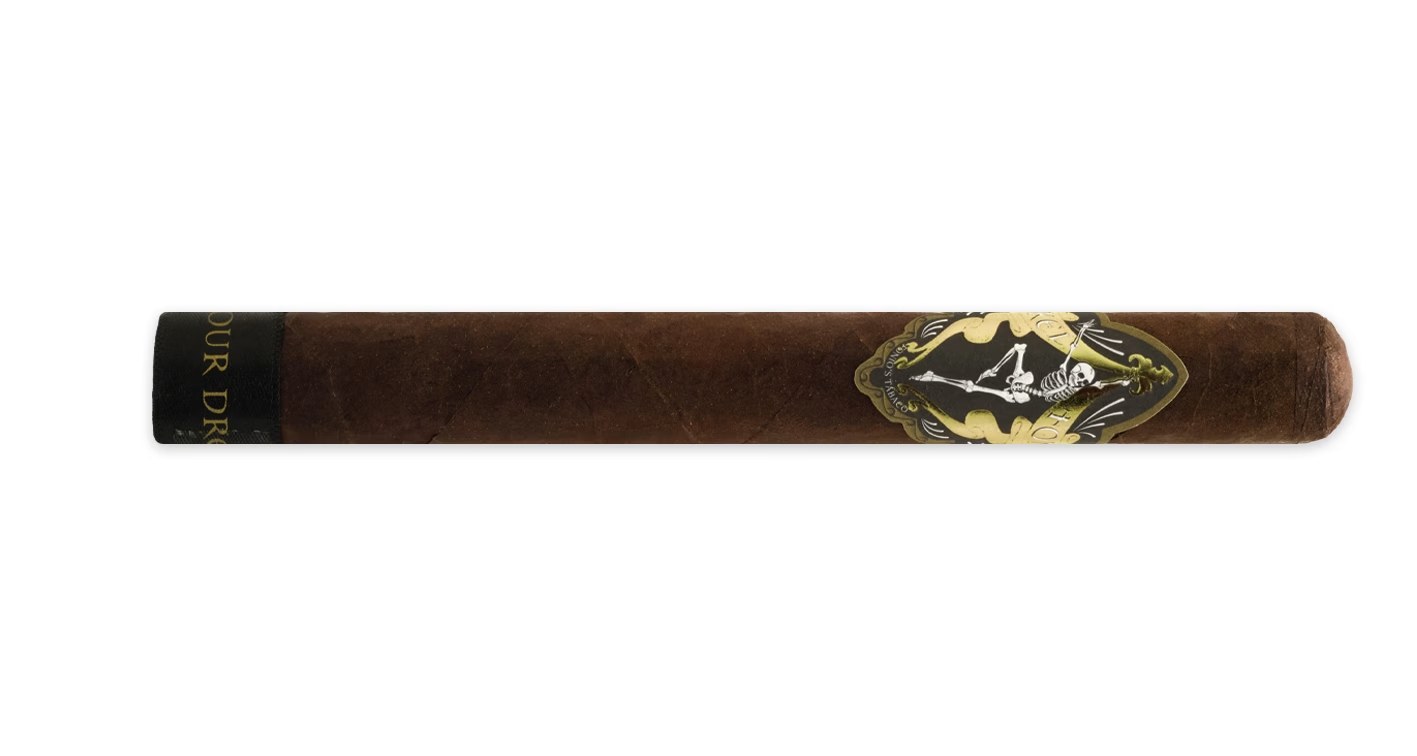
-
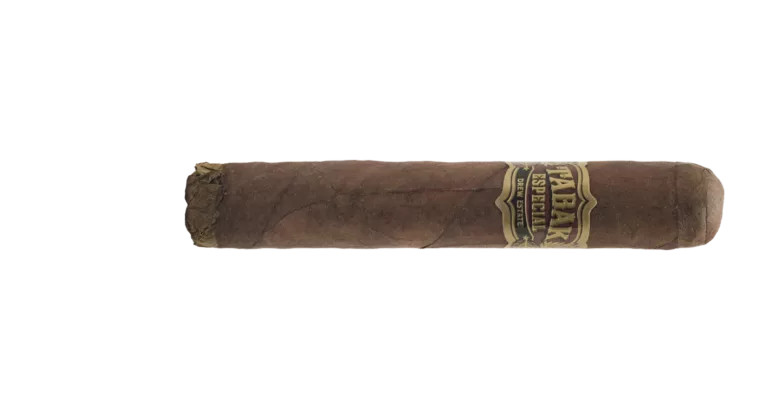
Tabak Especial Oscuro Robusto
2
12.7
54
-
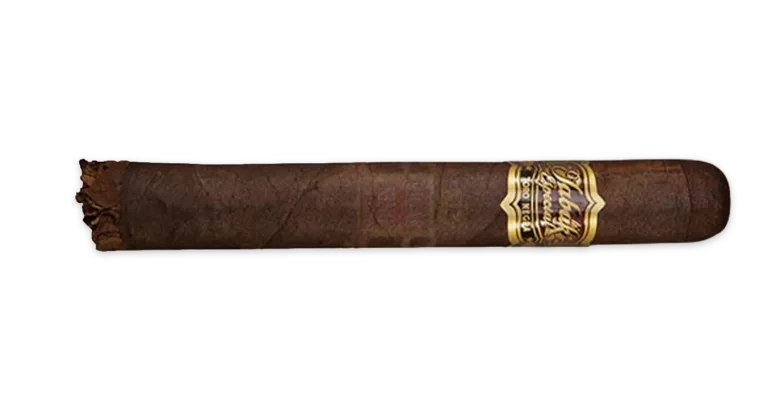
Tabak Especial Oscuro Toro
2
15.2
52
-
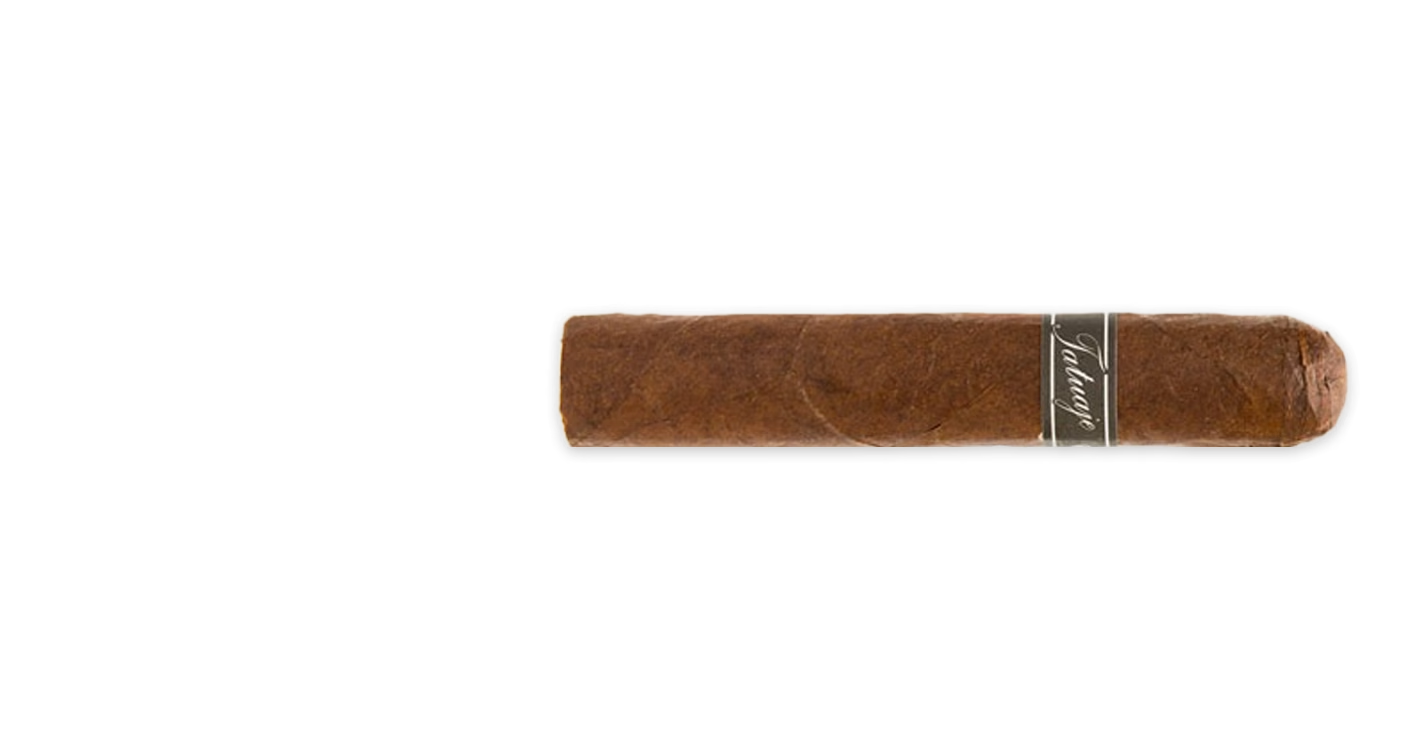
Tatuaje Black Label Petit Robusto
3
10.16
50
-
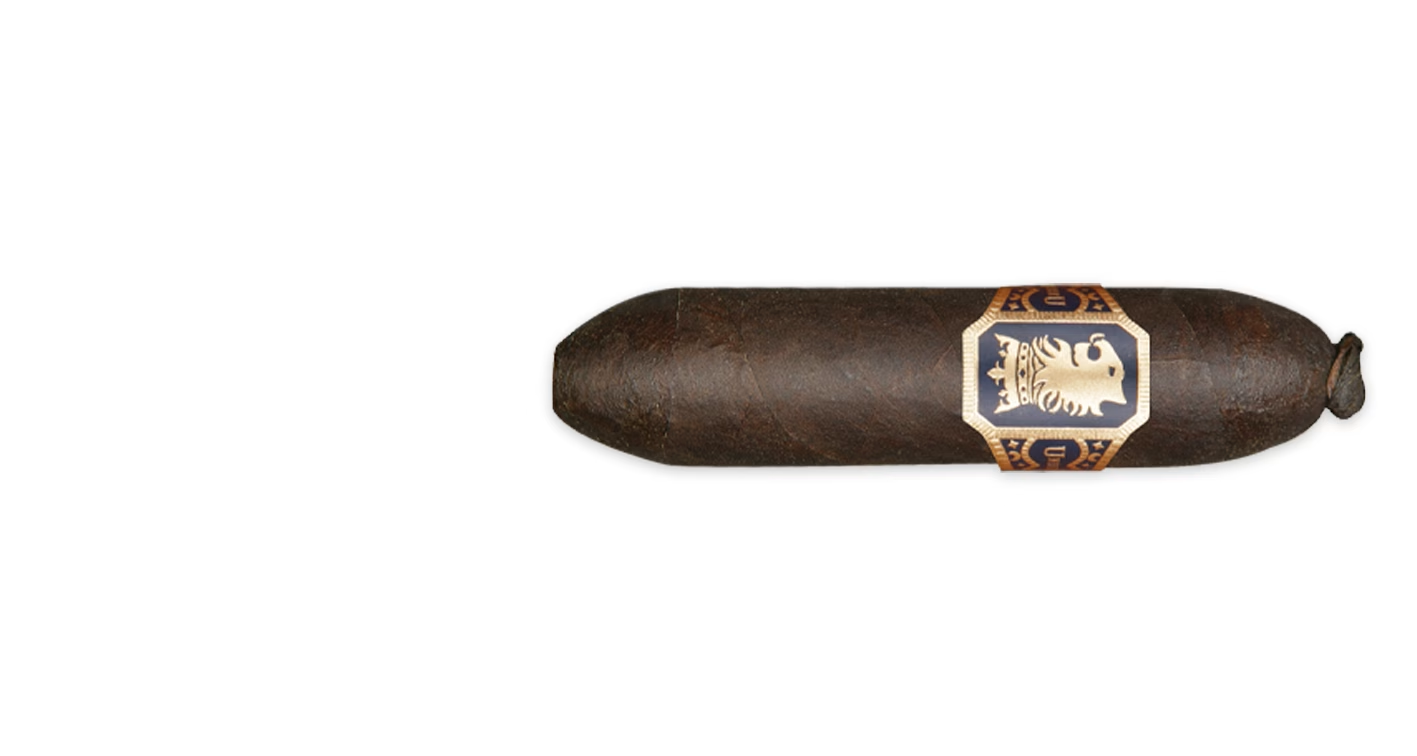
Undercrown Maduro Flying Pig
5
10.1
60
-
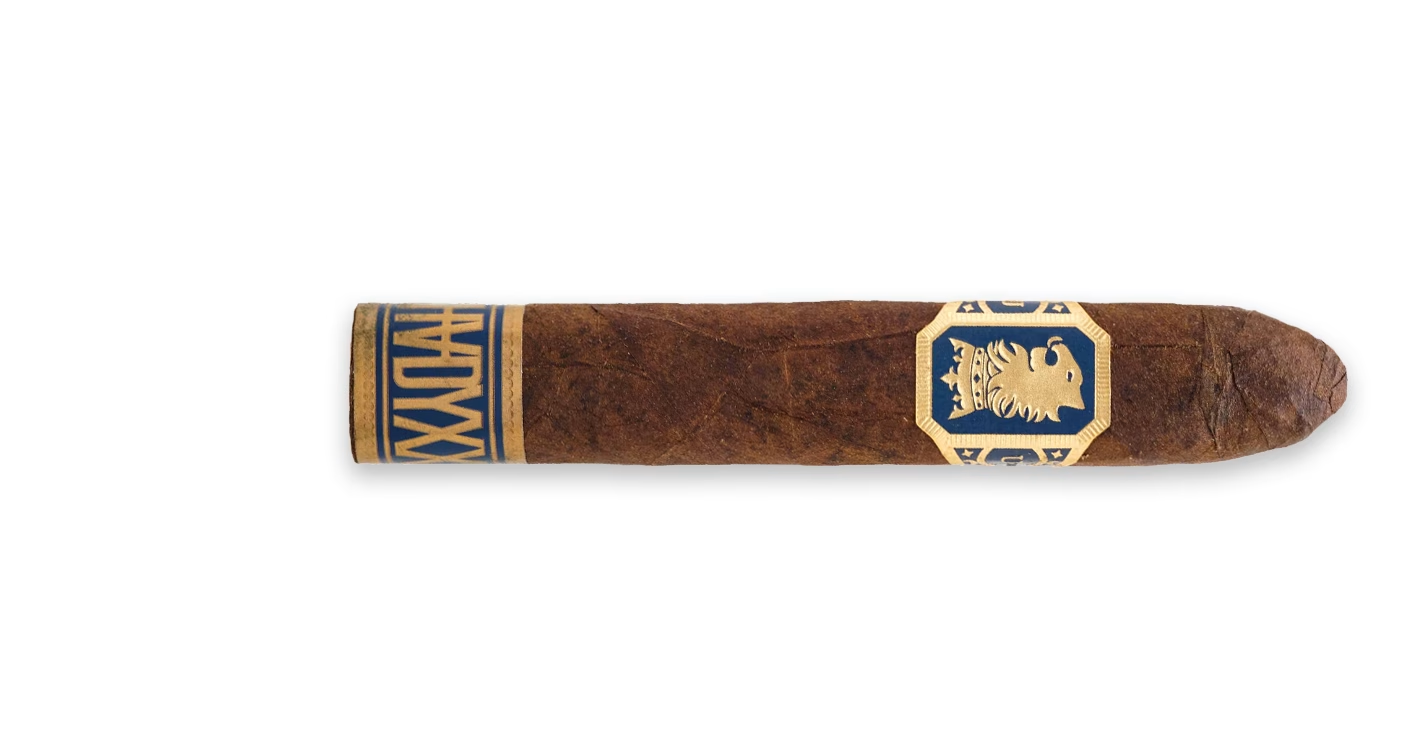
Undercrown Shaddy XX
3
12.7
-
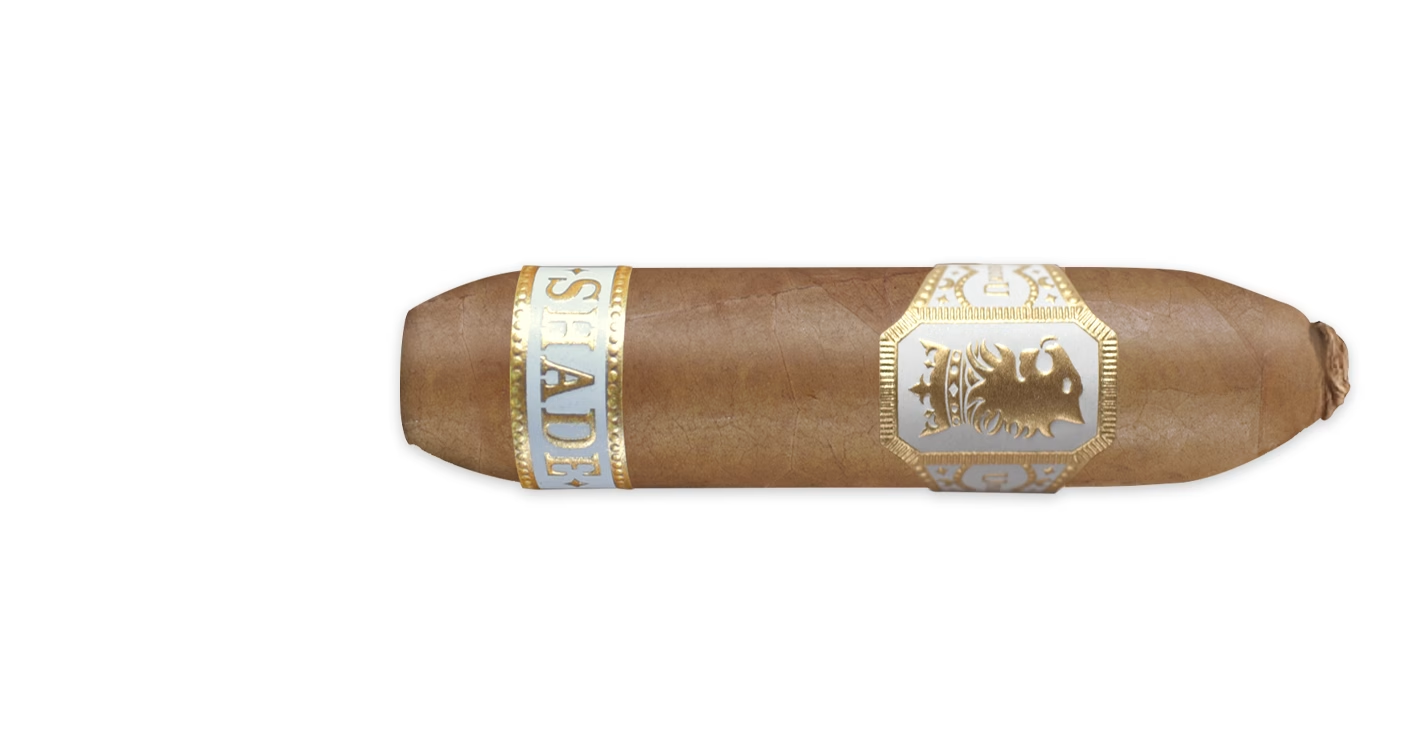
Undercrown Shade Flying Pig
1
12.1
60
-
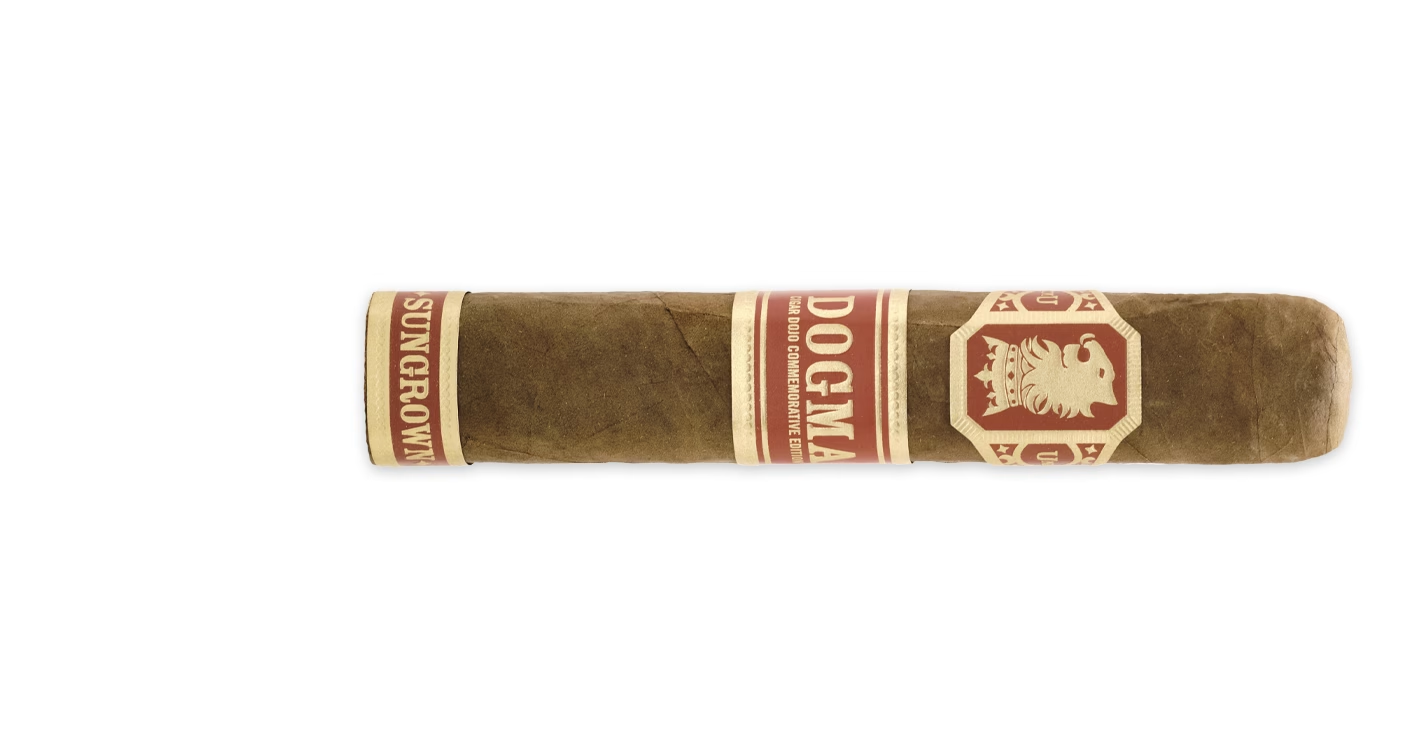
Undercrown Sun Grown Dogma
3
12.7
54
-
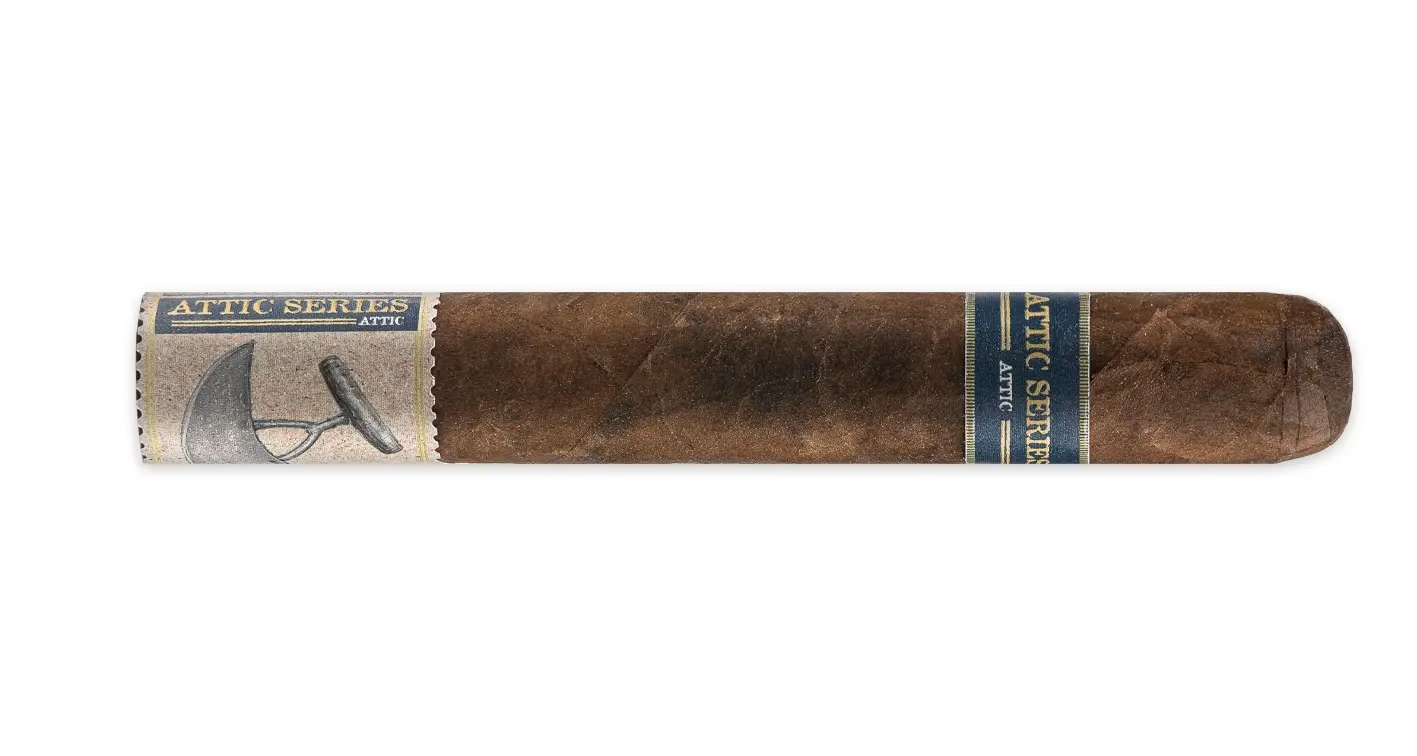
West Tampa Attic Series #1
3
15.2
54
-
-