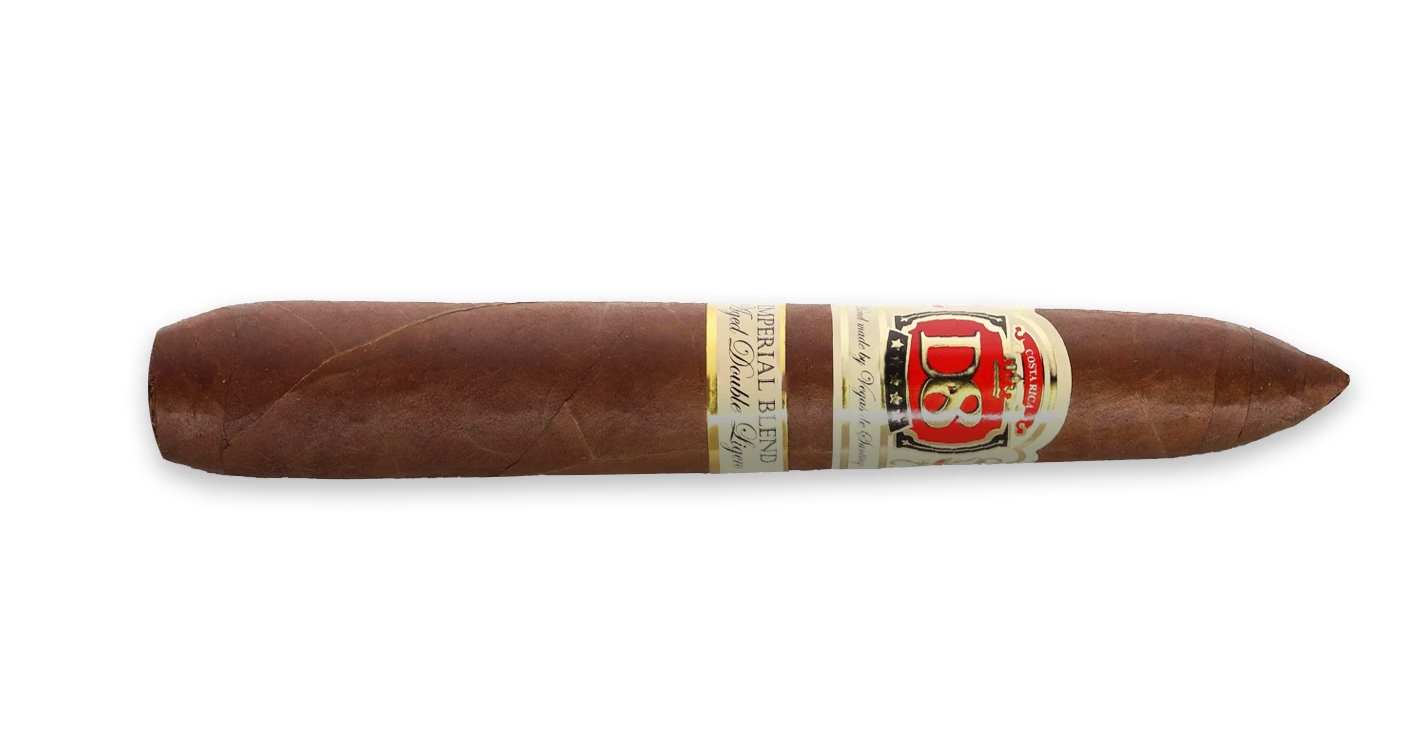
Costa Rica: smoothness, freshness and volcanic soils
The little country that cultivates finesse. Tucked away between Nicaragua and Panama, Costa Rica is far better known for its tropical forests and coffee than for its cigars. Yet a handful of manufacturers there roll cigars of great elegance, and several brands you often come across in Switzerland originated there. If you like round, aromatic cigars that are never harsh, this is a region well worth discovering.
A bit of history
Long before the arrival of the Spanish, the Huetar, an indigenous people of the Central Valley, were already cultivating tobacco. They offered it to the spirits and believed it to have healing properties.
At the end of the 18th century, the Spanish Crown established a state monopoly on tobacco and restricted its cultivation to the San José region. The small town grew rich thanks to the leaf, eventually becoming the most prosperous town in the country. In the 19th century, coffee took over and tobacco took a back seat for over a hundred years.
The revival came with the premium cigar boom of the 1990s and 2000s. Enthusiasts, often from Europe, settled in the highlands and set up small-scale factories there. Unlike its neighbours, Nicaragua and Honduras, Costa Rica does not focus on volume: it focuses on quality.
A volcanic, temperate terroir
The heart of the country consists of a succession of high-altitude valleys, between 1,000 and 1,500 metres, dominated by volcanoes. The soil here is volcanic, light and well-drained, and rich in minerals. The climate is tropical, but the altitude moderates it: the days are mild, the nights cool and rainfall is regular.
These conditions produce thin, supple leaves with a low nicotine content. Costa Rican cigars are renowned for their smoothness, roundness and a certain aromatic freshness. At this altitude, pests are rare, which allows some growers to cultivate their crops with almost no use of pesticides.
Three houses are a fine example of this terroir.
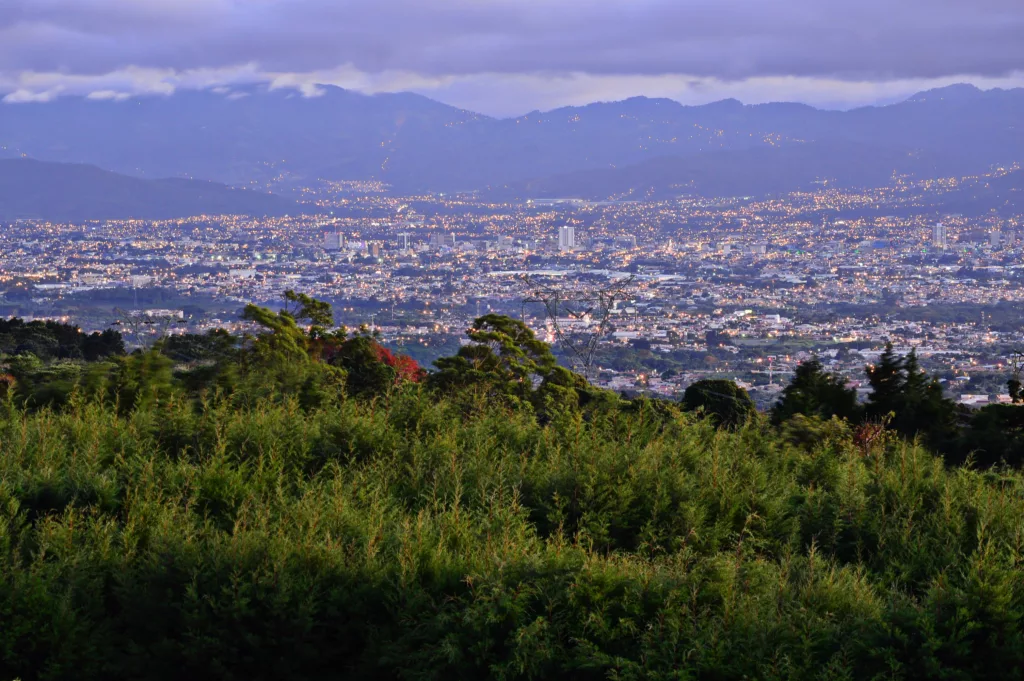 Vallée centrale, Costa Rica (Victor Quirós A / Wikimedia Commons, CC BY-SA 3.0)
San José and the Central Valley: the legacy
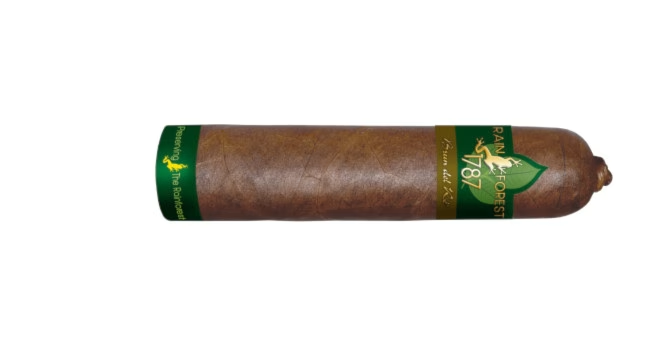
This is where it all began, and this is where Brun del Ré rolls its cigars. Founded by Carlo Corazza, the brand combines European craftsmanship with a Costa Rican spirit. Its 1787 range pays tribute to the era when San José was the land of tobacco. Here, finesse takes precedence over strength.
Santiago de Puriscal: the farming tradition
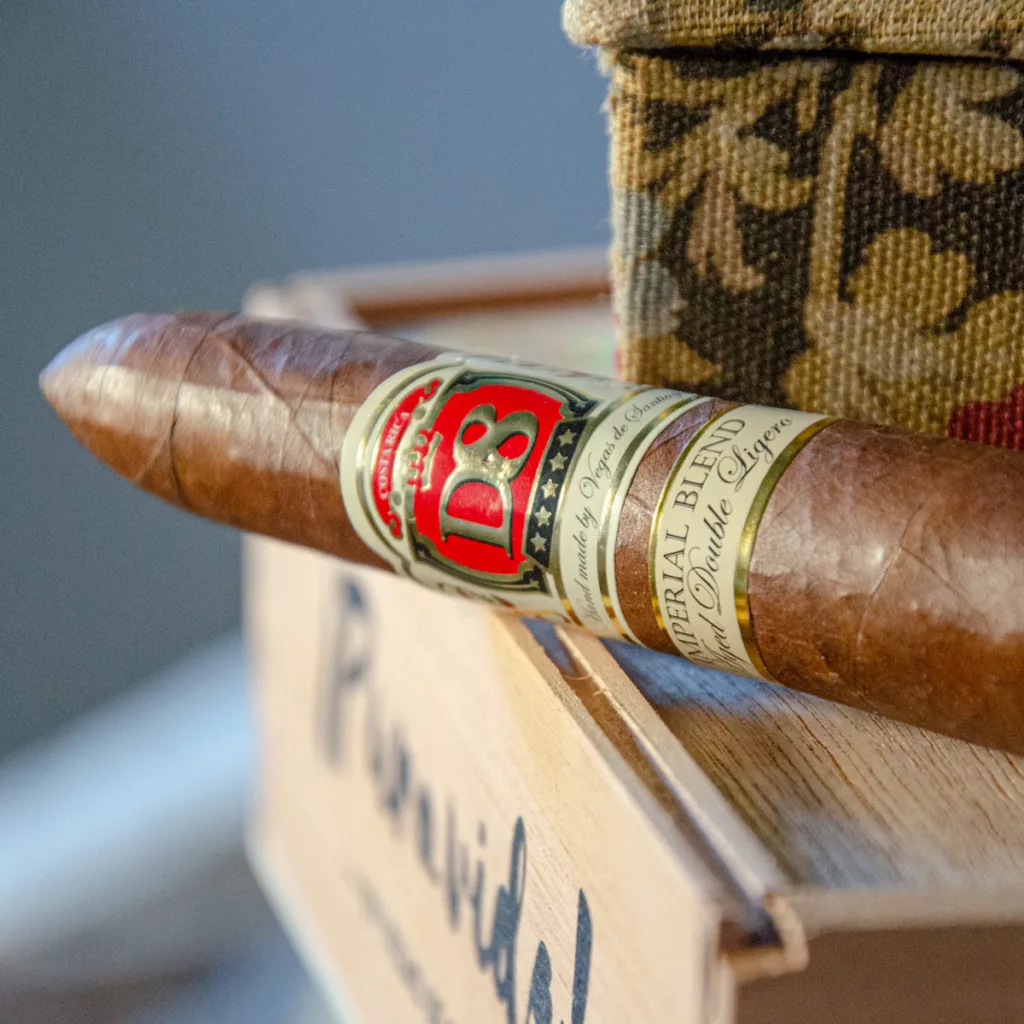
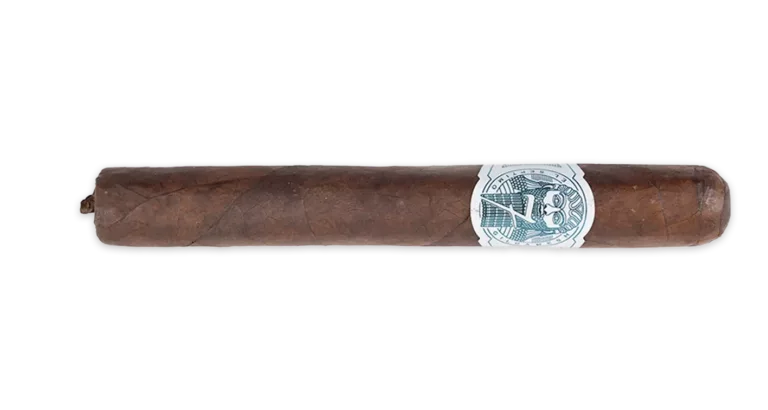
At an altitude of around 1,100 metres, the farmers of Puriscal have been growing tobacco for over a century. Vegas de Santiago sources most of its leaves from here, and it takes nearly four years from harvest to the finished cigar. In fact, it was at a Vegas de Santiago stand that the idea for Skull 77, the rock-inspired cigar, was born.
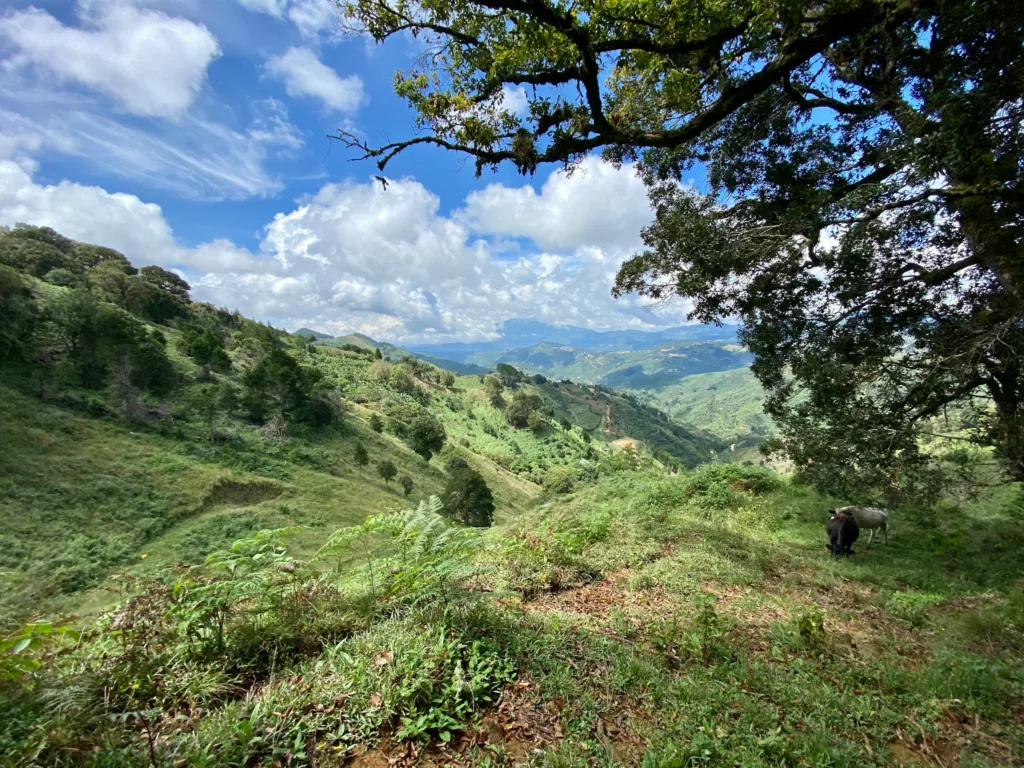 Dota, Costa Rica (Christian Hess Araya / Unsplash)
The highlands: boundless variety
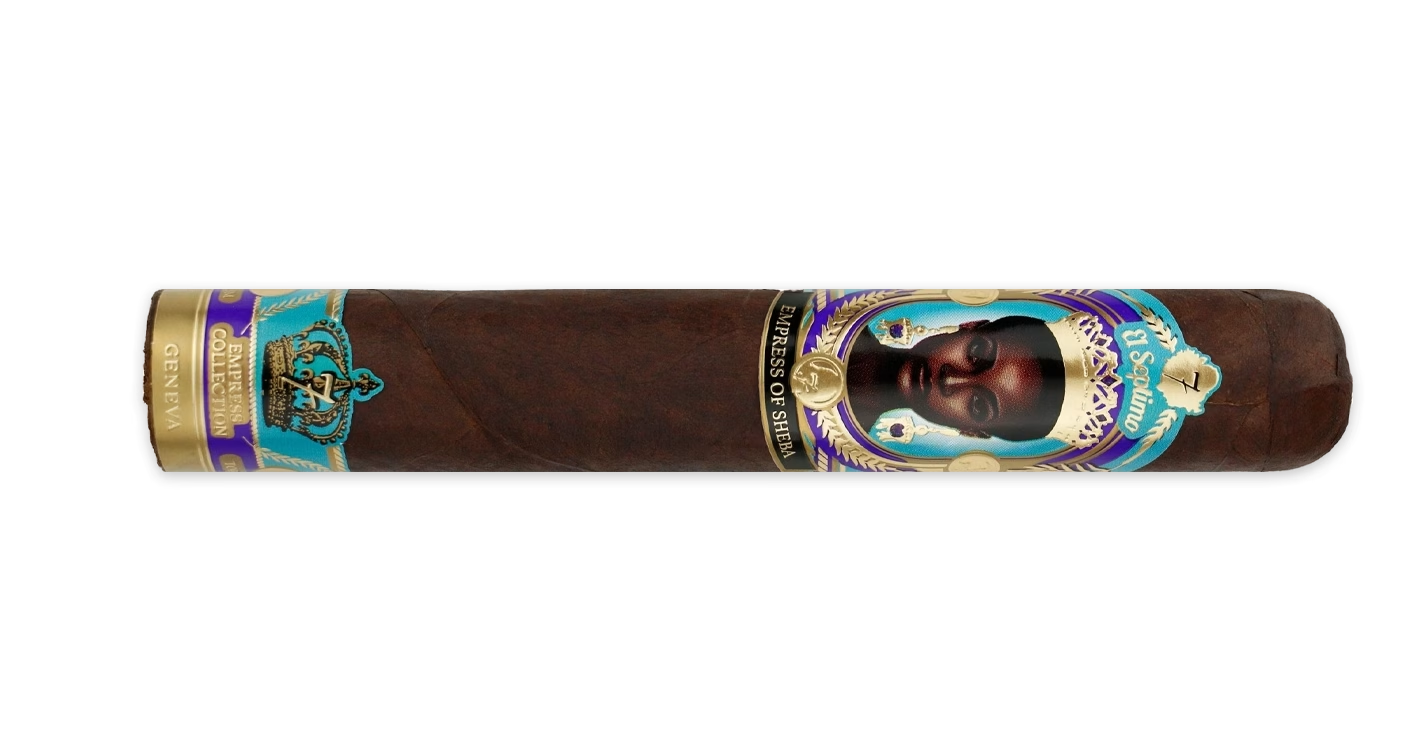
Established in the early 2000s, El Septimo has made the Costa Rican highlands its playground. Over 45 blends, all rolled using the ‘entubado’ method, which involves rolling each filler leaf in on itself to ensure a consistently smooth draw. Proof that Costa Rica is also capable of producing full-bodied cigars.
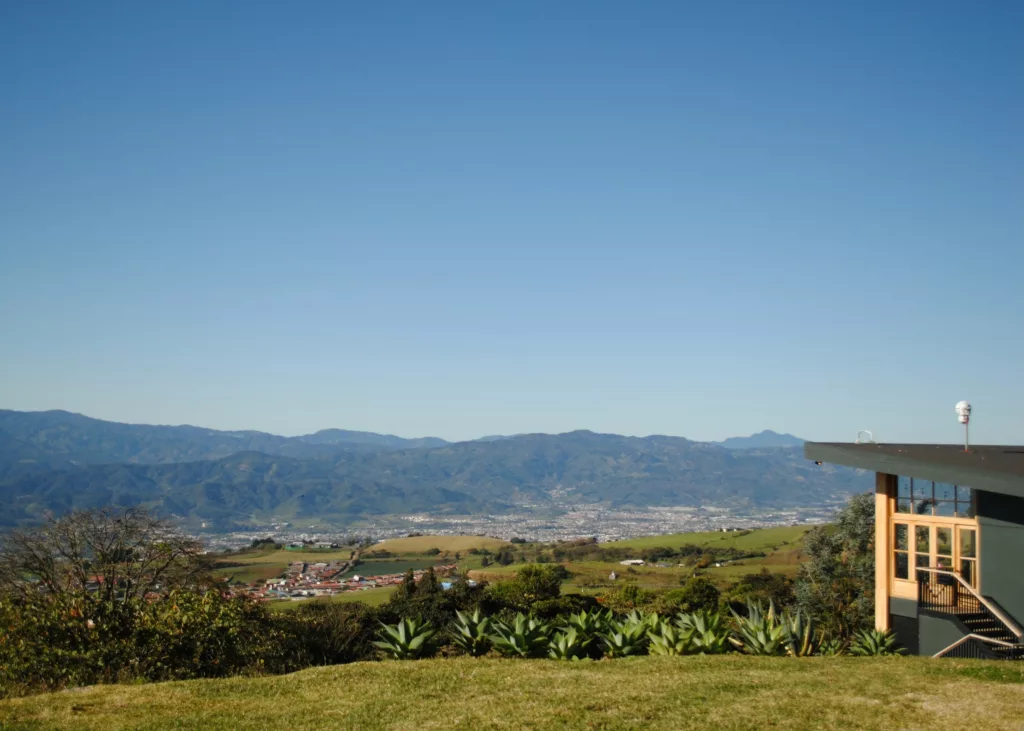 Cartago, Costa Rica (Alix Greenman / Unsplash)
A capital city born of tobacco?
In 1787, the Spanish Crown restricted tobacco cultivation to the area around San José. Money from tobacco poured in, the city grew and eventually took the title of capital from Cartago in 1823. Even today, some people like to say that San José owes its status as capital to tobacco.
The expression of the terroir
Costa Rican tobacco is recognised for its delicacy. It is rarely used on its own to achieve strength: blenders favour it for its smoothness, and look to an Ecuadorian wrapper or a few Nicaraguan leaves to add character.
If you appreciate these characteristics, you’ll love this region:
- mild to medium-bodied cigars, which can be smoked without tiring the palate,
- creamy, floral and slightly sweet profiles,
- a smooth smoke and a consistent draw.
What differences can be detected during tasting?
Compared to Nicaragua, Costa Rica opts for elegance rather than spice. The first draw is mild, often with notes of hazelnut, cream or light wood, and occasionally a hint of honey. The strength builds only slightly, and that is precisely the appeal: these are ideal cigars for beginners, for a morning break or for a long chat with friends.
Beware of preconceived notions: certain blends, such as those from El Septimo or Ocho Tiempos, show that well-crafted Costa Rican tobacco can also offer a spicy kick and toasty notes.
Pairing suggestions
To go with this kind of profile, we’d happily recommend:
- a Costa Rican filter coffee, to stick with the local variety,
- a light rum from Central America,
- a pale or amber lager, not too bitter.
The idea is to choose flavour combinations that complement the cigar’s subtlety without overpowering it.
Conclusion
Costa Rica is the land of choice for connoisseurs of finesse. Volcanic soils, an altitude that tempers the tropical climate, and small-scale manufacturers produce well-rounded, aromatic and approachable cigars. If you’re looking for a cigar that you can simply enjoy without having to struggle with it, this is the place to start.
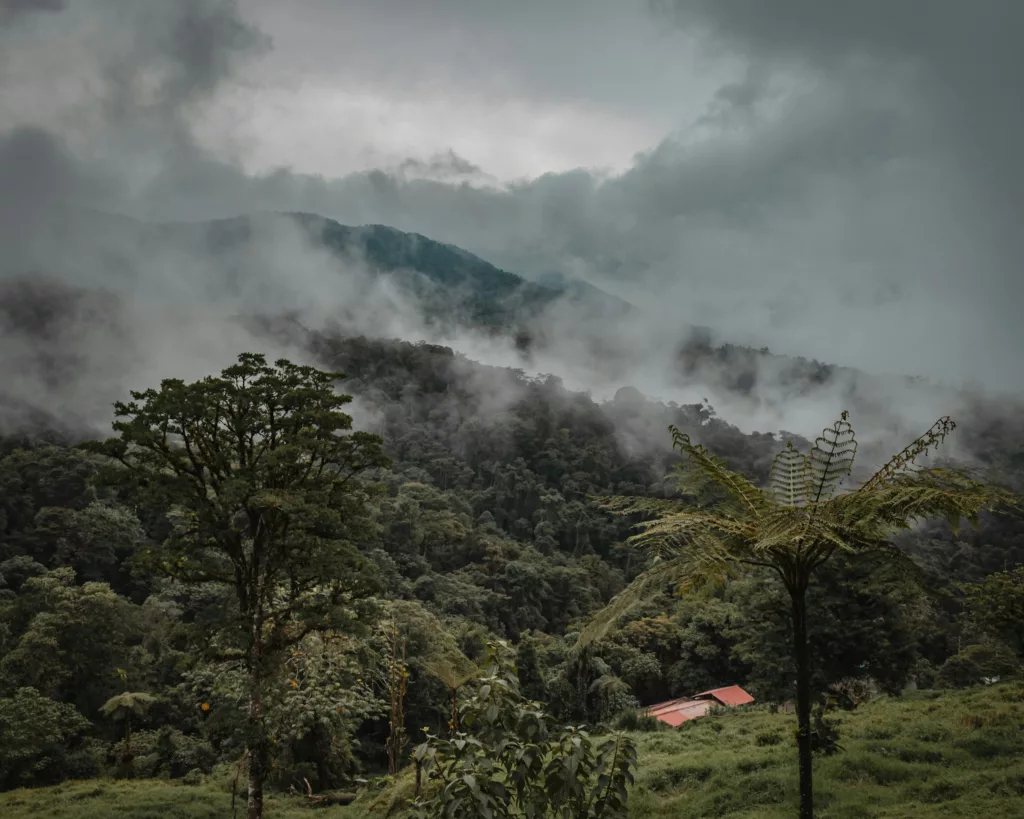 Costa Rica (bennoptic / Unsplash)
Our Costa Rican cigars
-
-
-
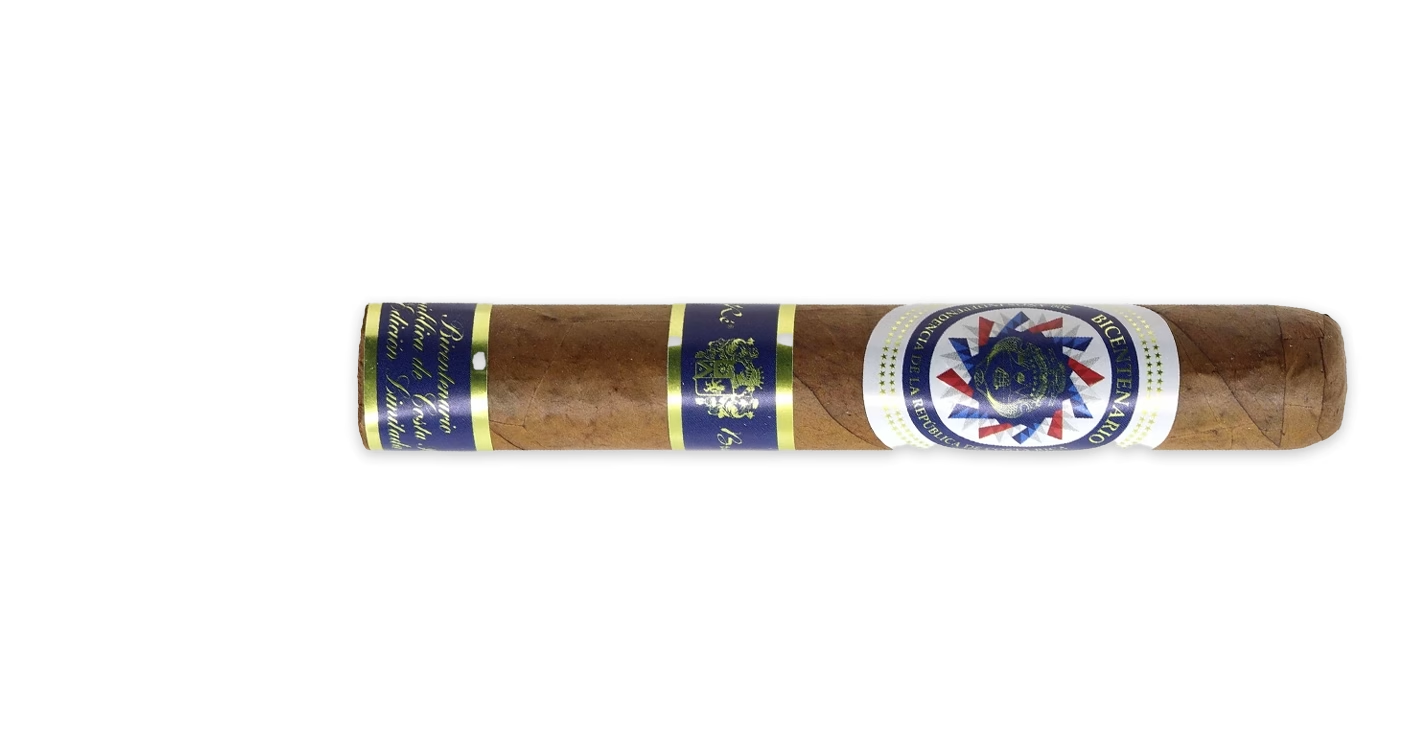
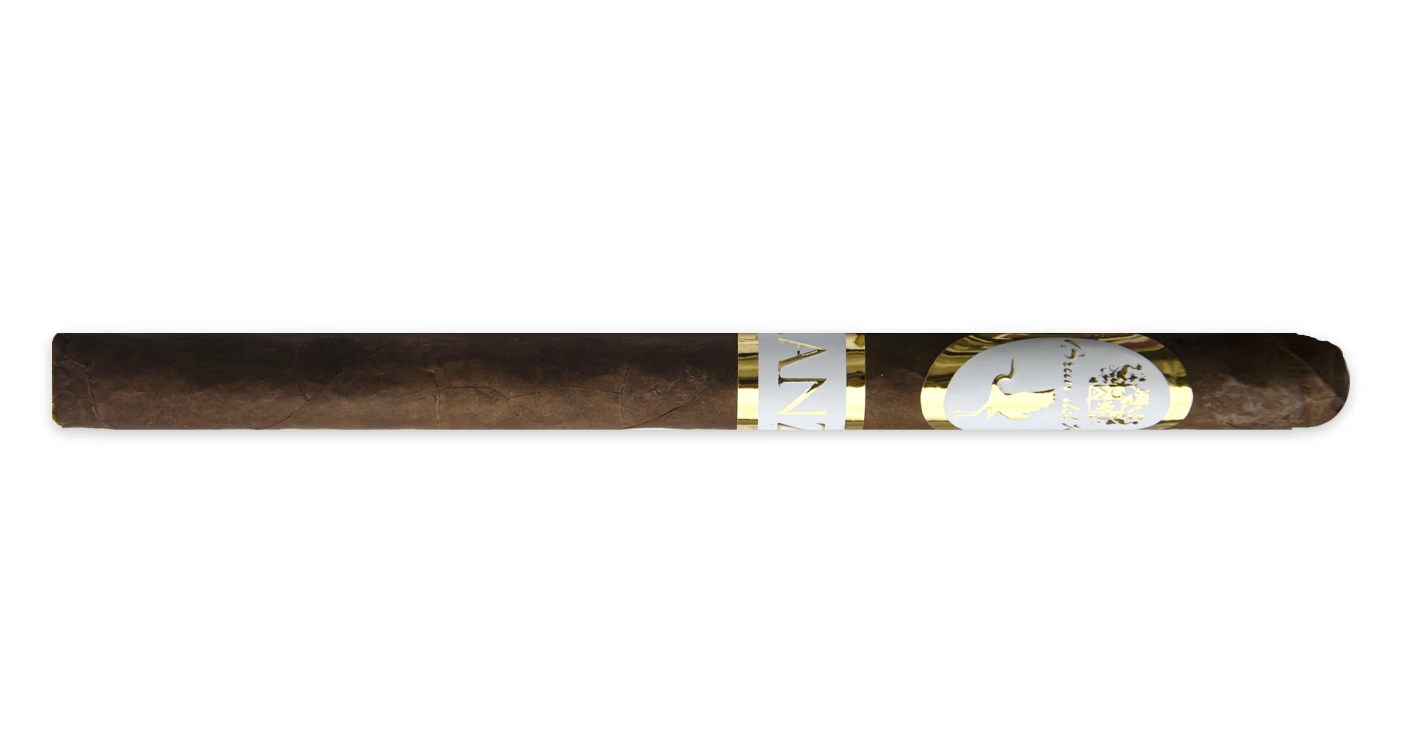
Brun del Ré Bicentenario Piccolo
3
12.7
44
-
-
-
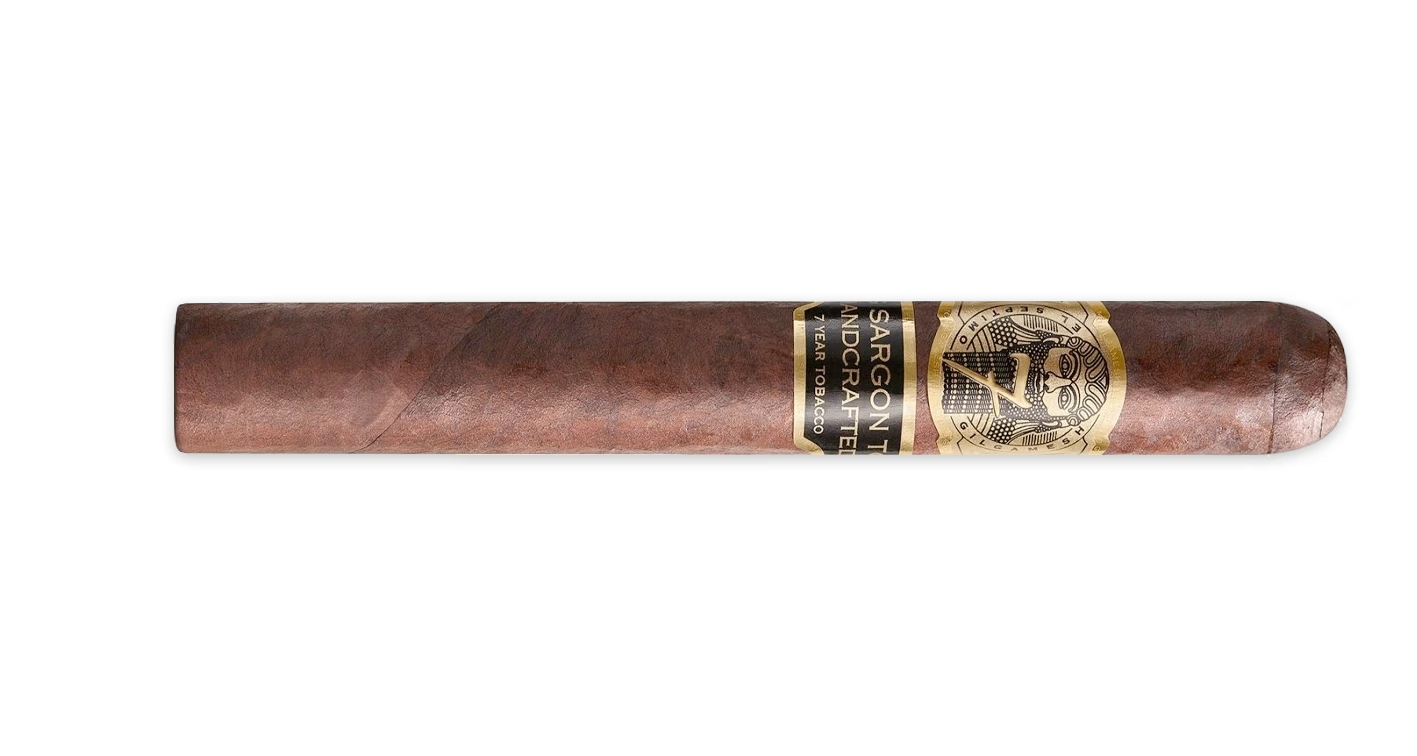
-
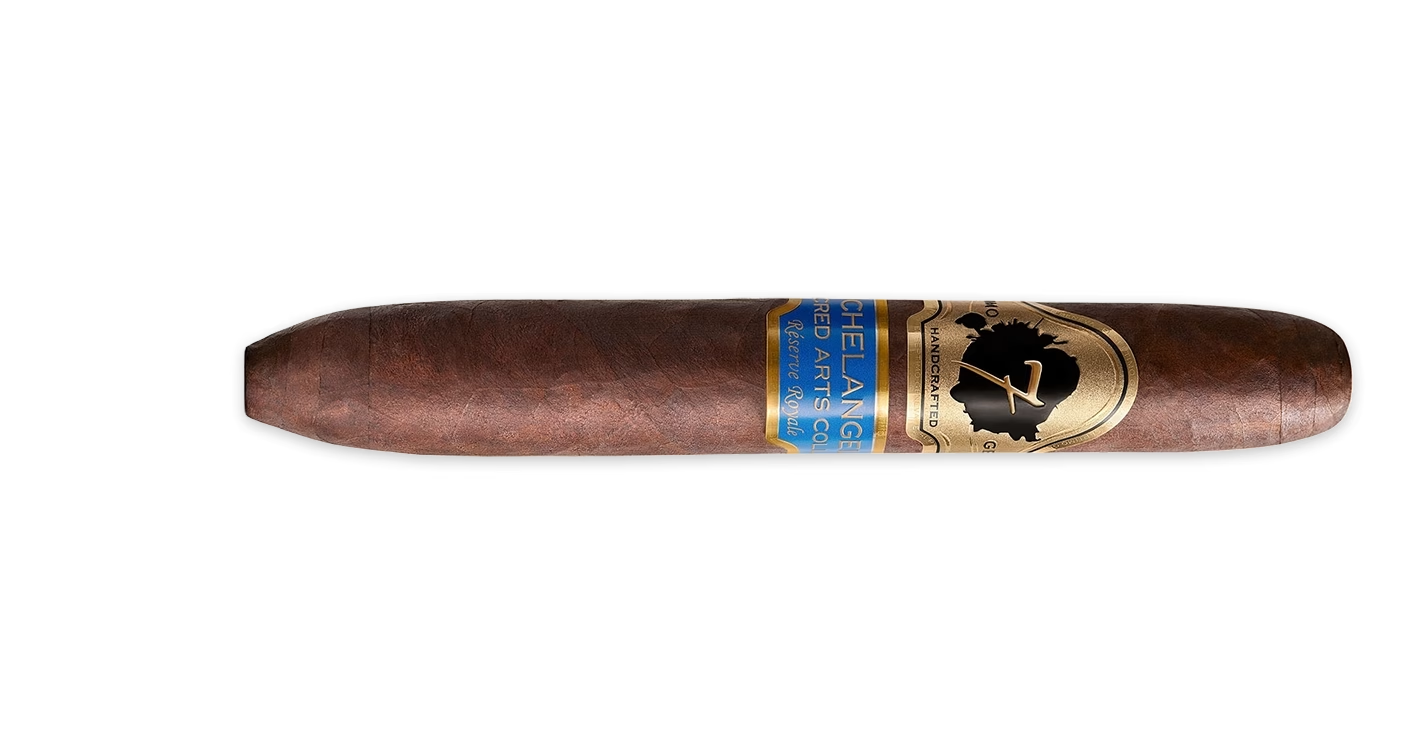
El Septimo Michelangelo
4
14
50
-
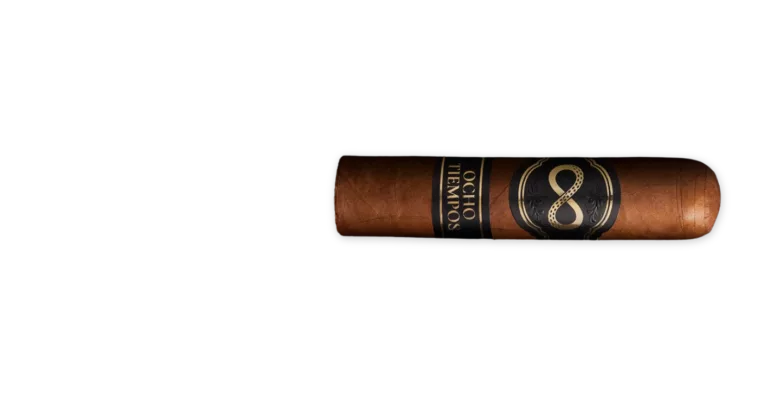
-
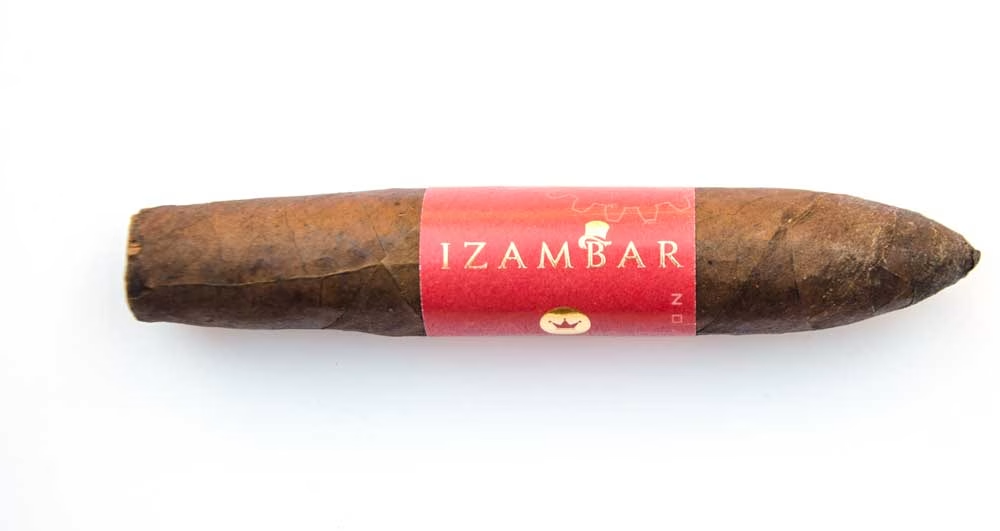
Paddington El Perfecto
3
14
58
-
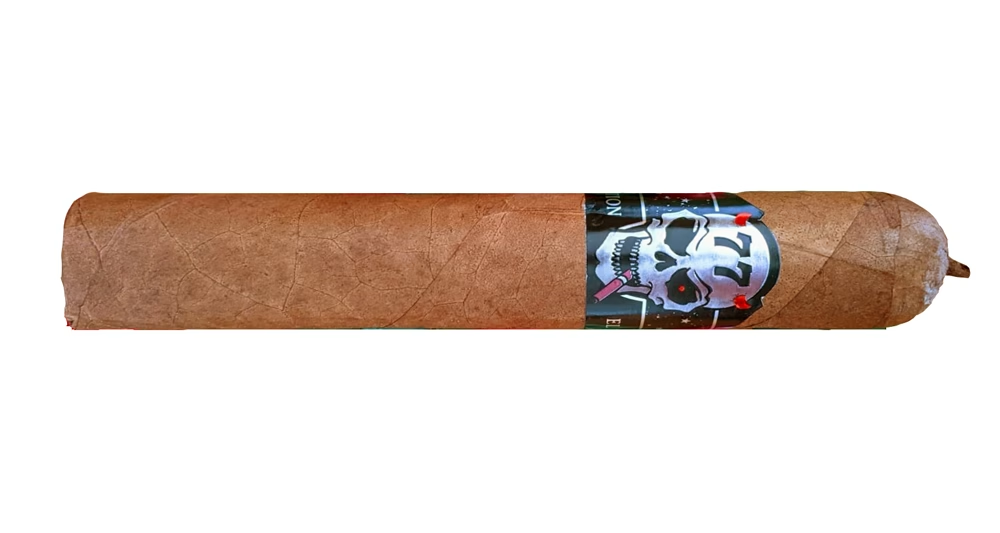
Skull 77 El Diablo
3
15.24
66
-
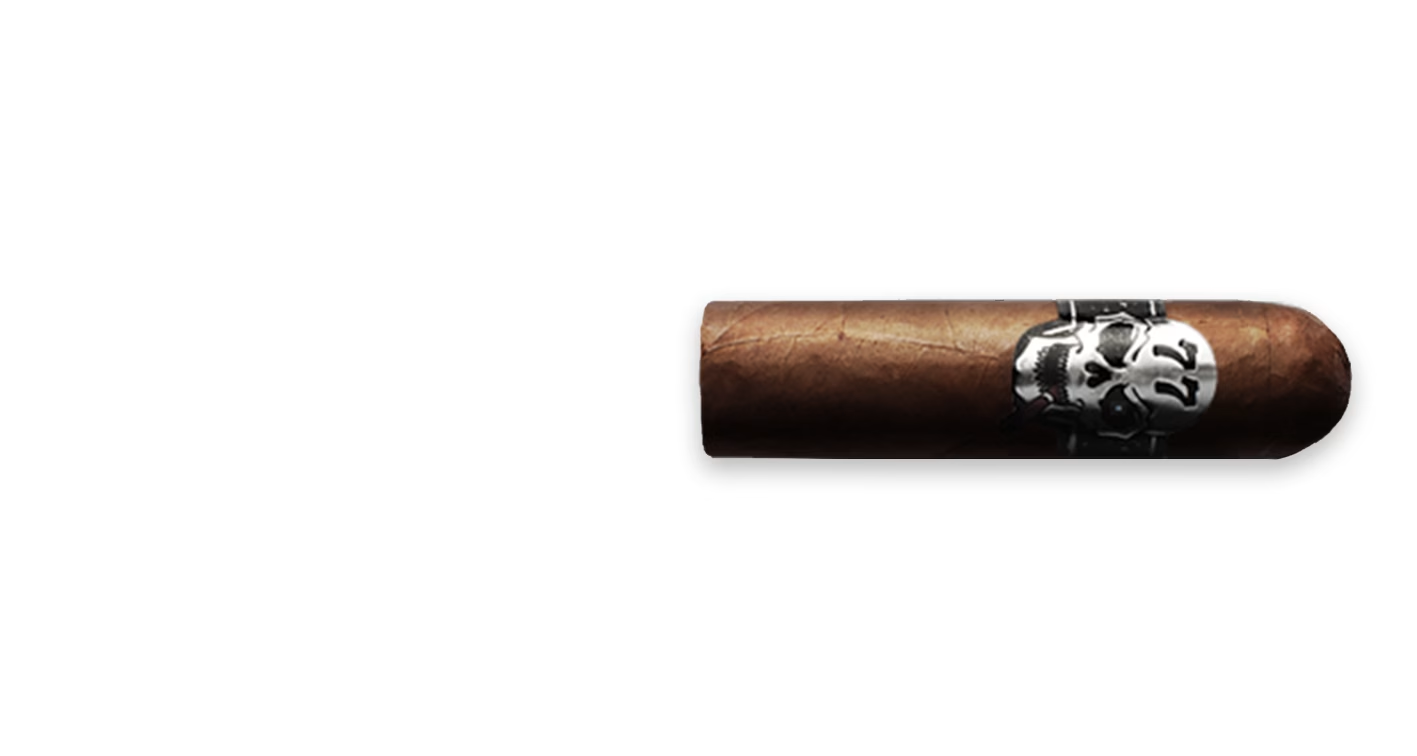
Skull 77 El Niño
3
8.25
58
-
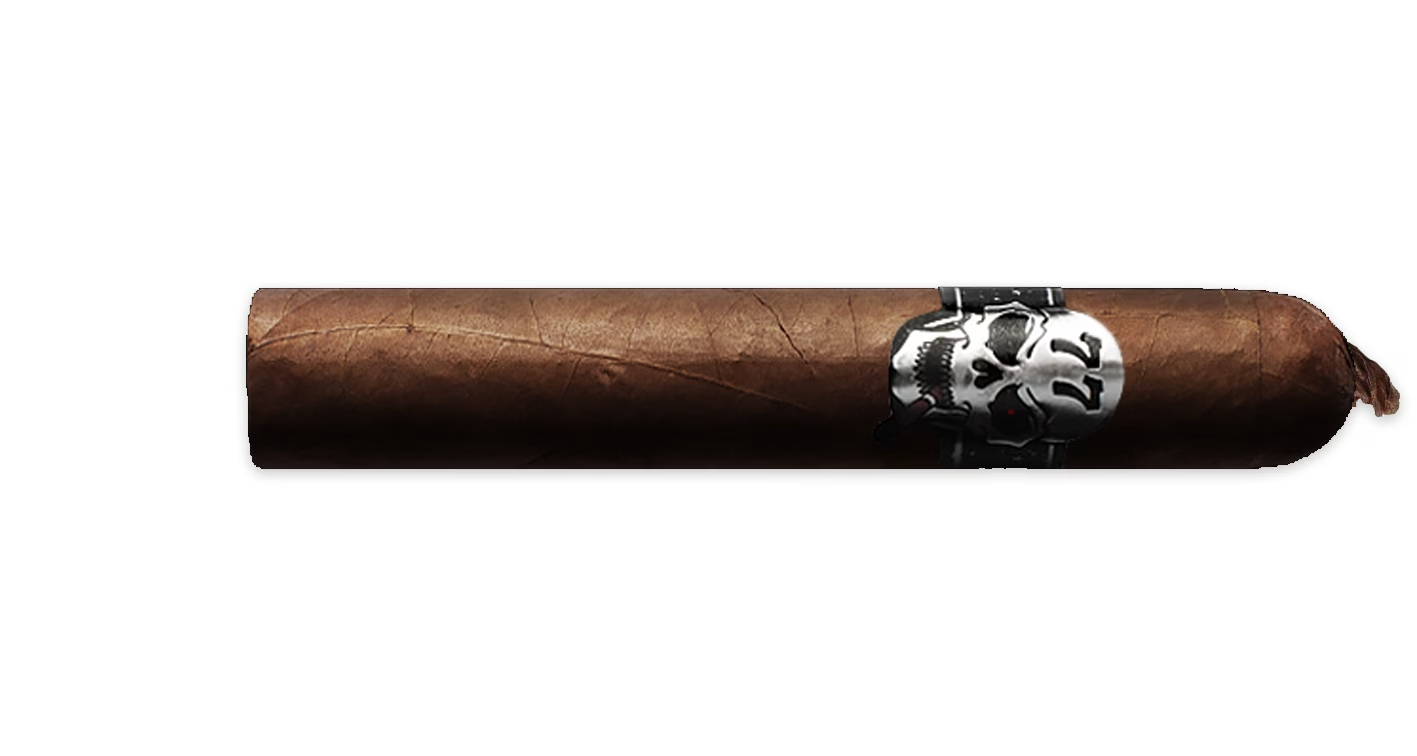
Skull 77 El Unico
3
14
66
-
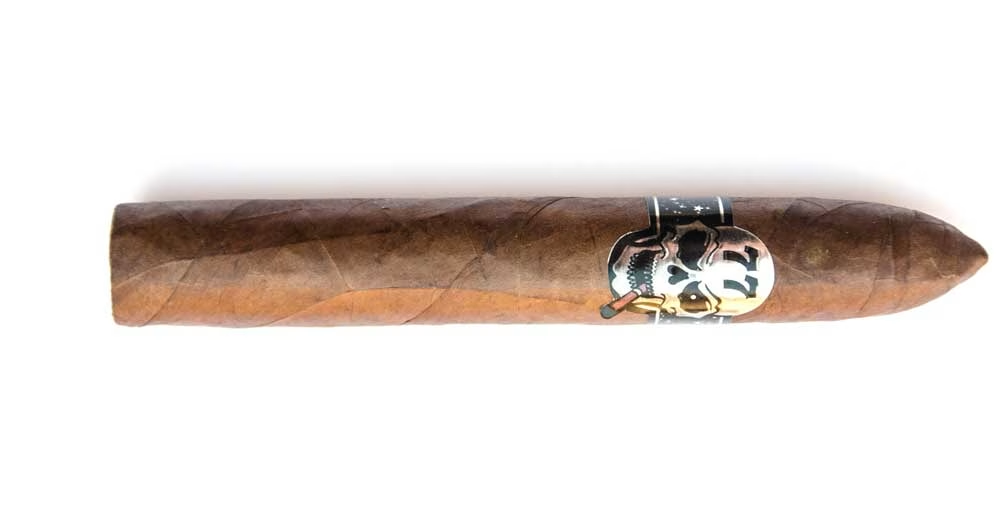
Skull 77 El Volcano
3
15.24
58
-
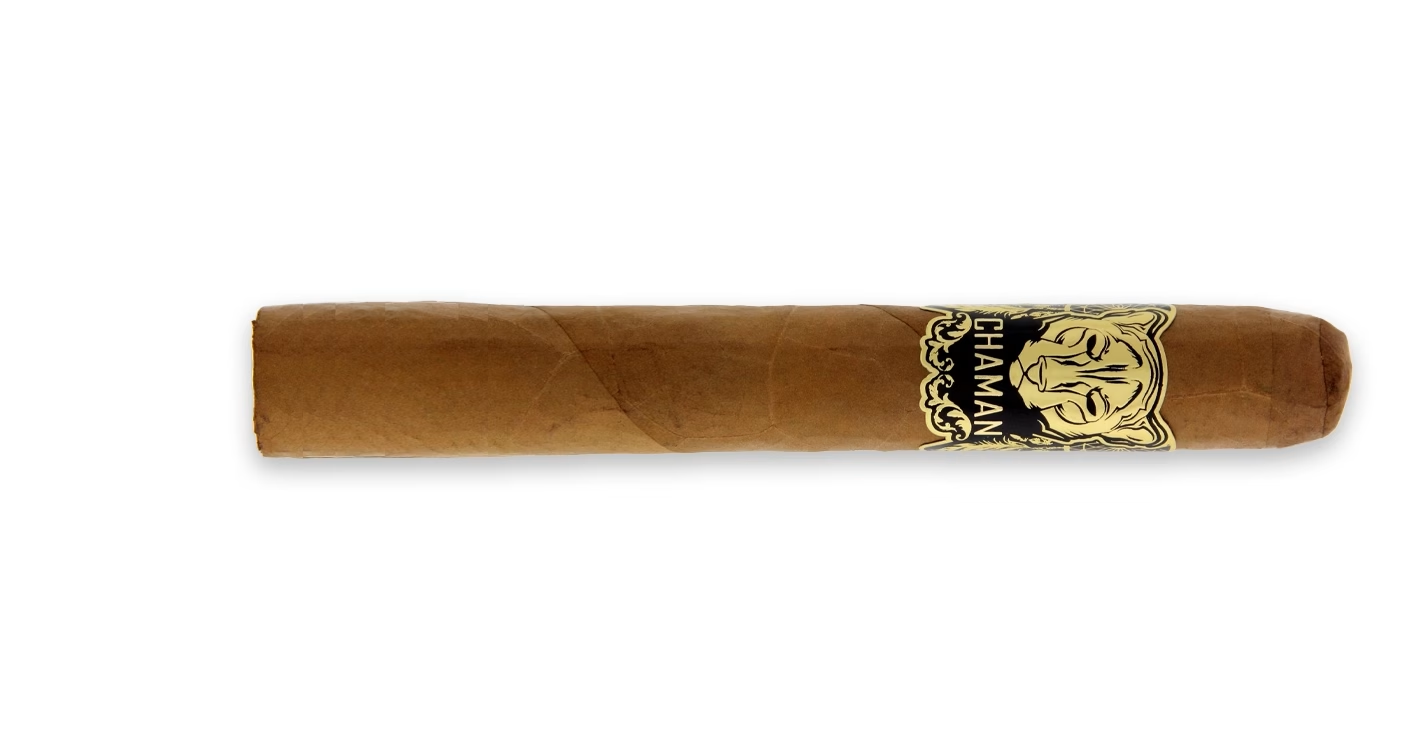
Vegas de Santiago Chaman
3
14.2
-
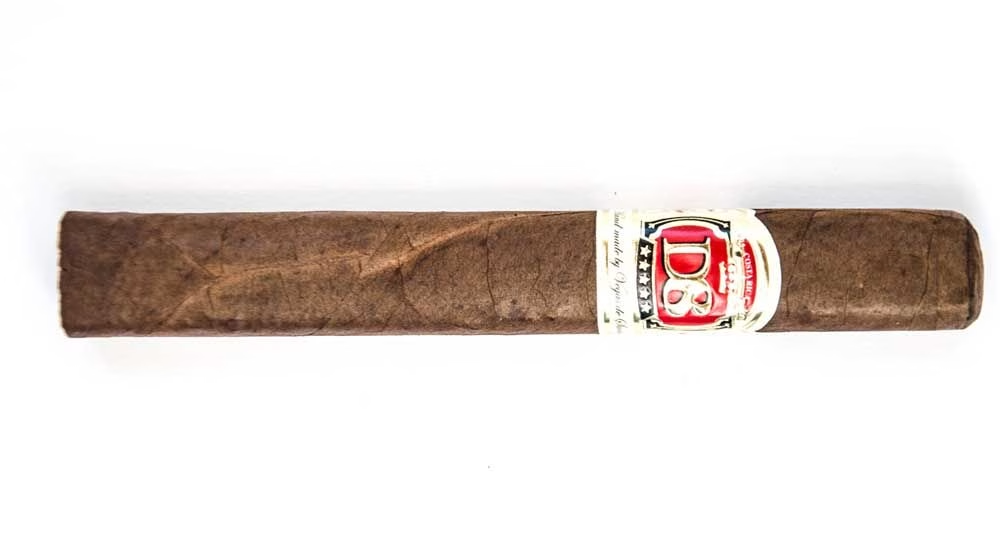
-