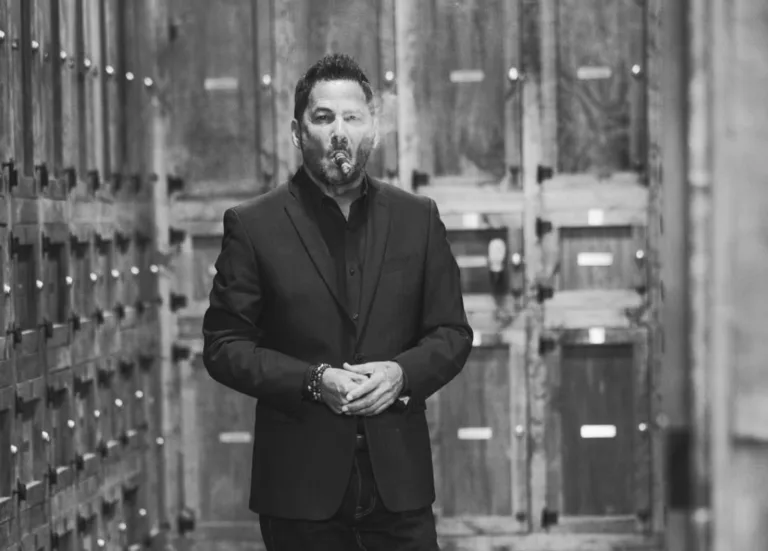
Brazil: the dark sweetness of Bahia
The blenders’ best-kept secret. When you think of Brazil, you think of coffee, cachaça or football, rarely cigars. Yet Brazilian tobacco is everywhere: in the binder of cigars rolled in Nicaragua, in the wrapper of certain maduros, and in a handful of puros made entirely in Bahia. If you like dark, sweet and spicy cigars, this is a region worth discovering.
A bit of history
Portuguese settlers were growing tobacco in Bahia as early as the 16th century, in the Recôncavo, the fertile region surrounding the Bay of All Saints. Bahian tobacco quickly became a valuable commodity. It was even used as a medium of exchange in the slave trade with West Africa, a dark chapter in its history.
In the 19th century, German immigrants established the Recôncavo as a centre for cigar production. In 1873, Geraldo Dannemann, who had come from Bremen, opened a factory in São Félix, on the banks of the Paraguaçu. Other companies followed suit and, for decades, tobacco from Bahia fuelled the European cigar industry.
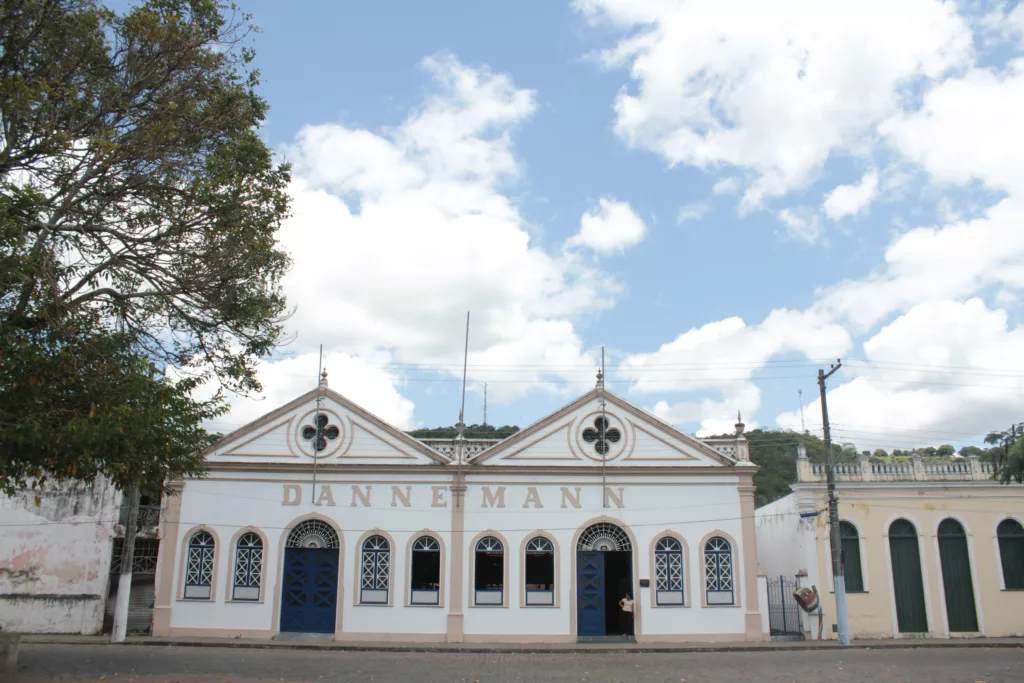 Centro Cultural Dannemann, São Félix, Bahia (Tatiana Azeviche / Turismo Bahia, Wikimedia Commons, CC BY-SA 2.0)
São Félix: the Dannemann factory
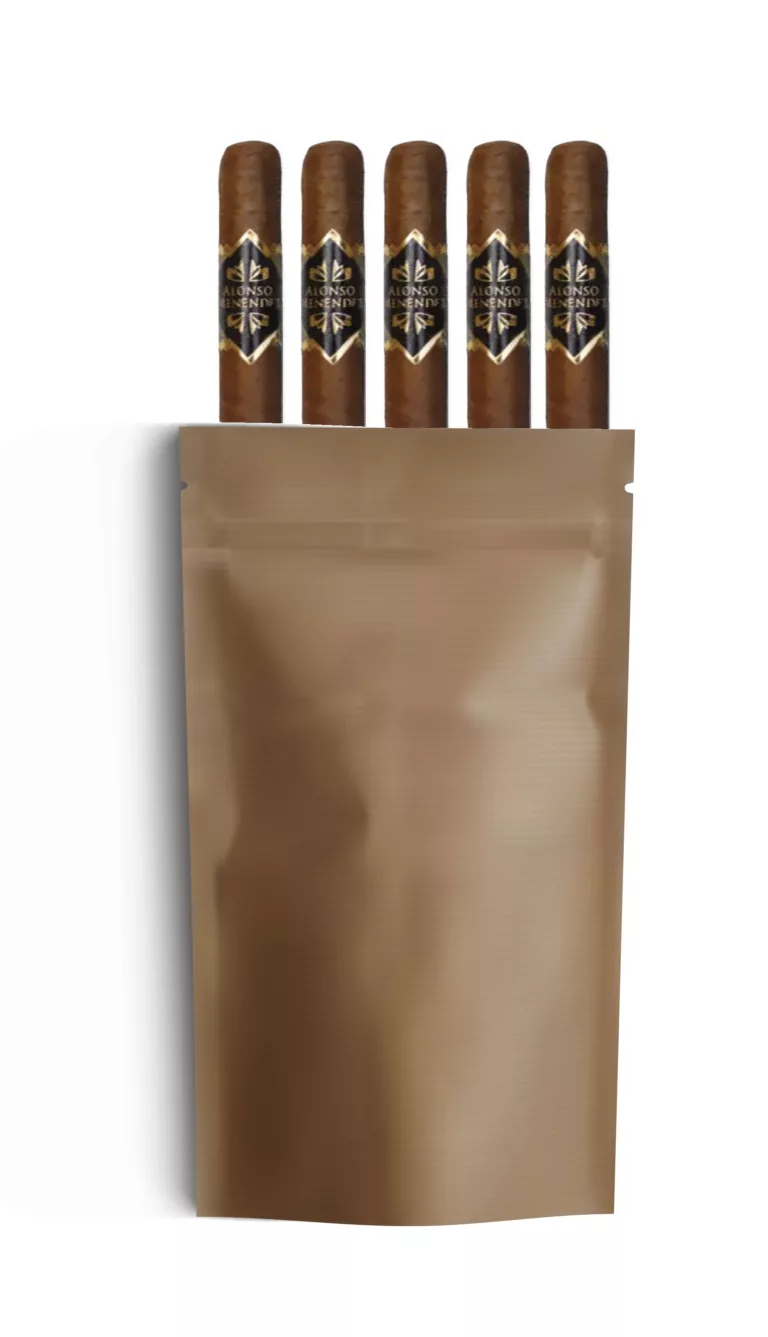
The former Dannemann factory now houses a cultural centre, where cigar rollers continue the tradition of hand-rolling. Nearby, in São Gonçalo dos Campos, the Menendez Amerino company has been rolling 100 per cent Brazilian puros since 1977, such as the Alonso Menendez robusto.
A warm and humid climate
The Recôncavo Baiano enjoys a hot, humid tropical climate and rich, deep clay soils. The tobacco grows there in full sun, producing thick, dark leaves rich in natural sugars.
Two names crop up time and again amongst blenders: Mata Fina, grown around Cruz das Almas, dark and mild, used for both the wrapper and the binder; and Arapiraca, named after a town in the neighbouring state of Alagoas, which produces very dark maduro wrappers.
Mata Fina: the connoisseur’s binder
Many enthusiasts smoke Brazilian tobacco without realising it. At Drew Estate, the Liga Privada cigars rolled in Nicaragua, such as the No. 9 or the T52, feature a Mata Fina binder to lend roundness and sweetness to their blend.
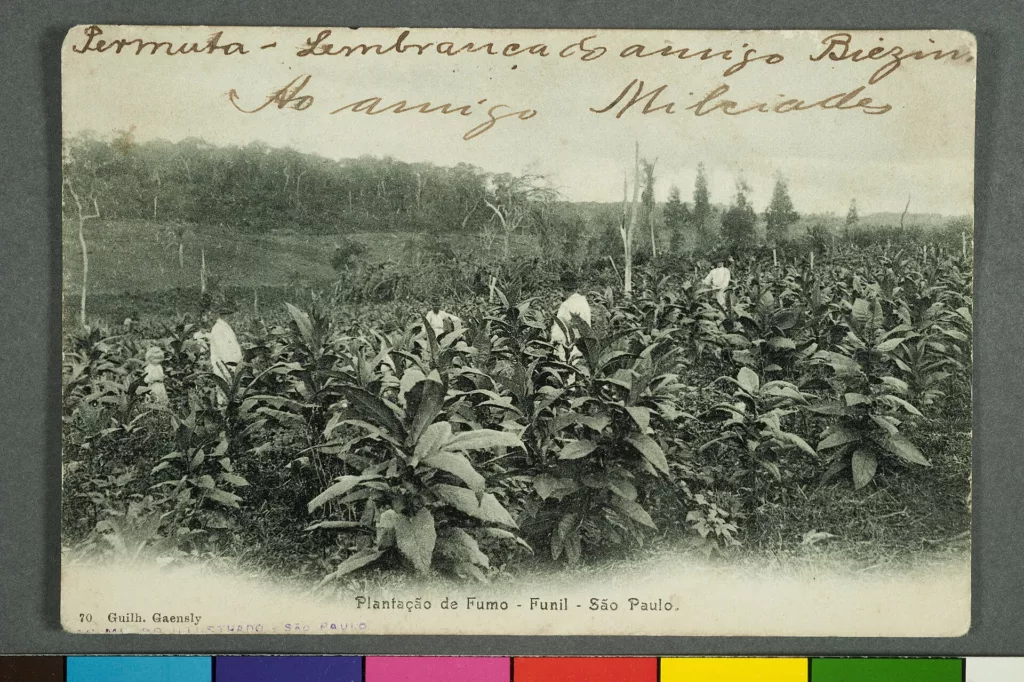 Plantation de tabac, Funil, São Paulo (Guilherme Gaensly, Museu Paulista, domaine public)
What differences can be detected during tasting?
Brazilian tobacco is recognisable by its natural sweetness: cocoa, coffee, honey, and sometimes a hint of dried fruit, underpinned by mild spices and an earthy base. It adds body without being overpowering, and that is what makes it so valuable in a blend.
Pairing suggestions
- a barrel-aged cachaça, to stay in Bahia,
- a Brazilian coffee, smooth and chocolatey,
- an amber rum.
Conclusion
Understated yet unmissable, Brazil is the home of dark, mellow flavours. Whether smoked as a puro or blended into a mix, its tobacco brings a chocolatey richness unlike any other.
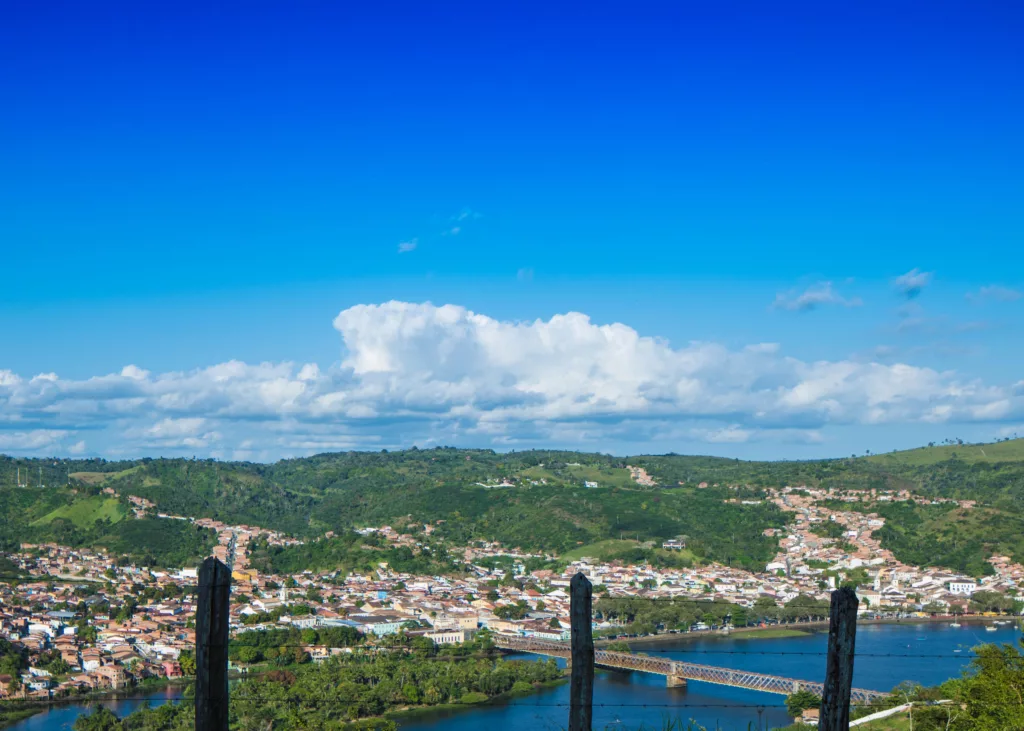 Cachoeira vue depuis São Félix, Bahia (Paul R. Burley / Wikimedia Commons, CC BY-SA 4.0)
Our cigars with Brazilian tobacco
-
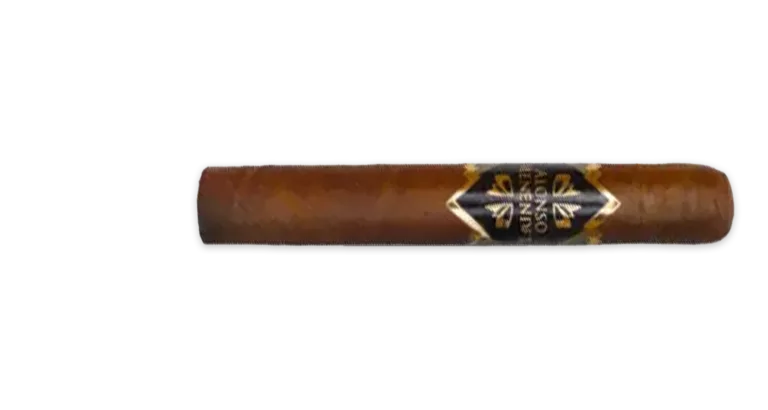
Alonso Menendez Robusto
3
12.8
48
-
-
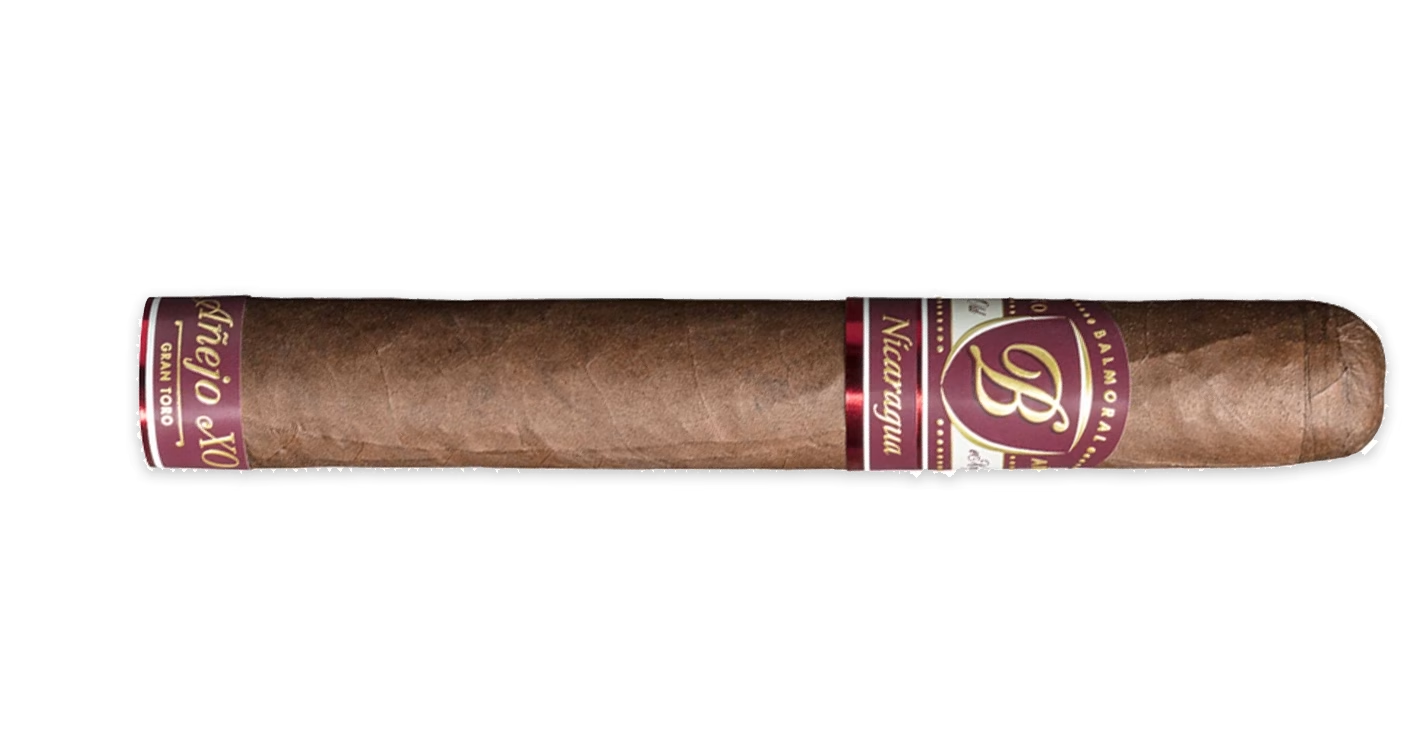
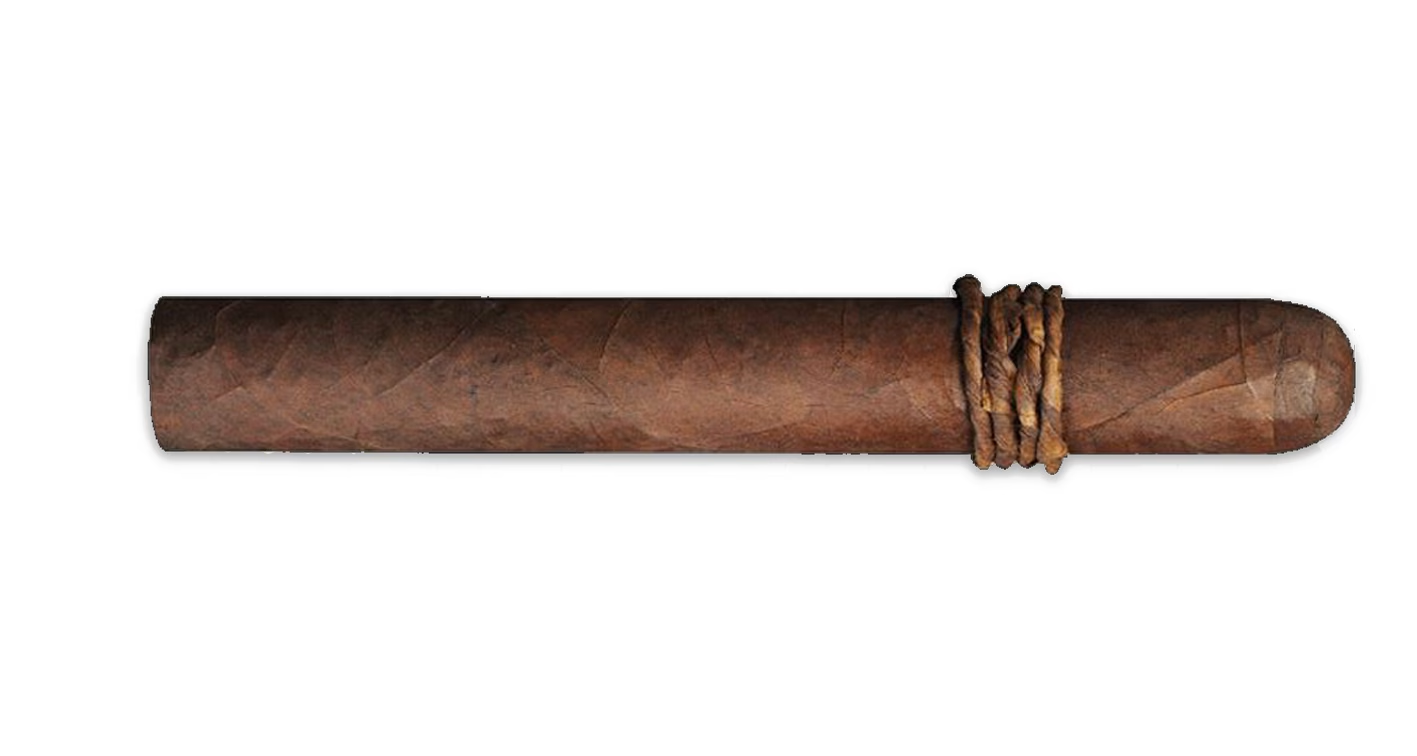
Balmoral Anejo XO Gran Toro
1
15.2
52
-
-
CAO Amazon Basin Toro
3
15.2
52
-
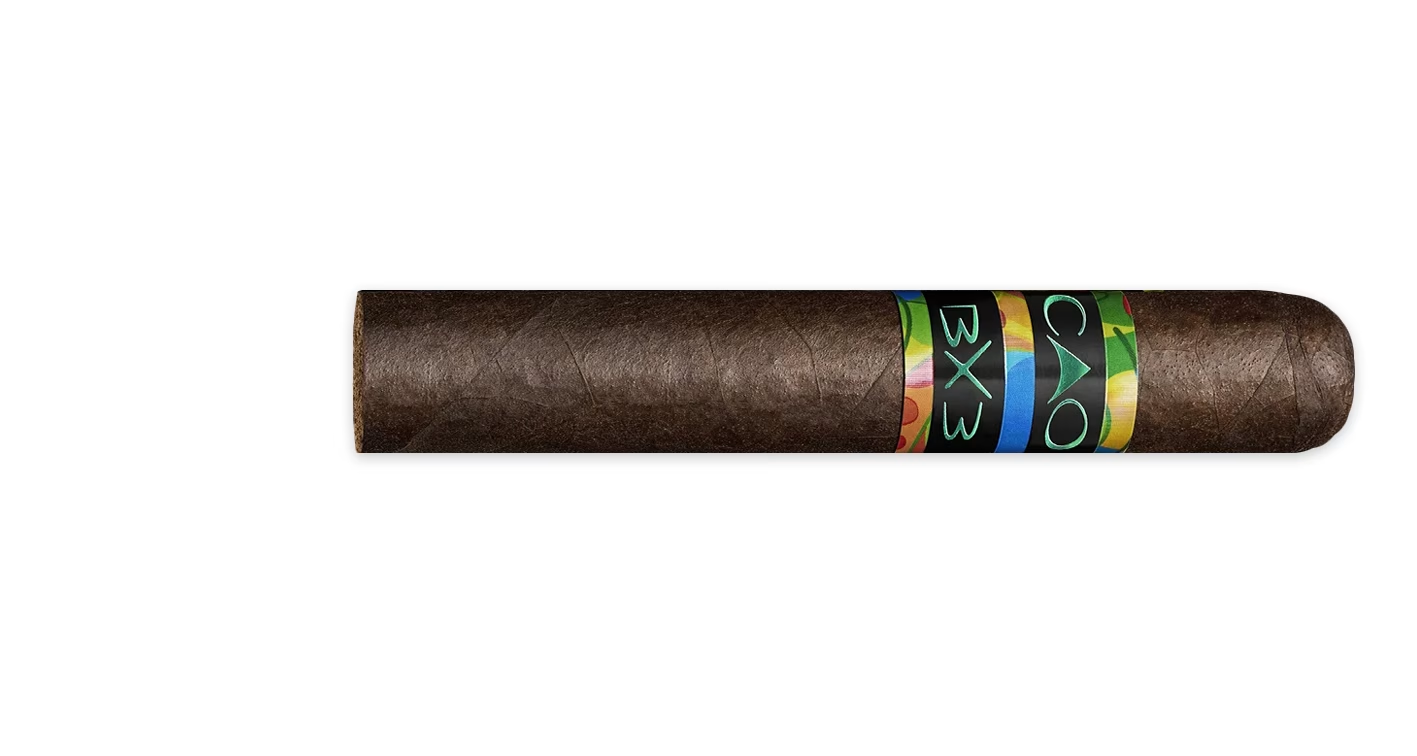
CAO BX3
5
12.7
52
-
-
-
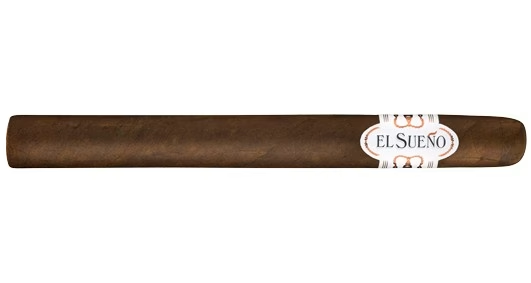
-
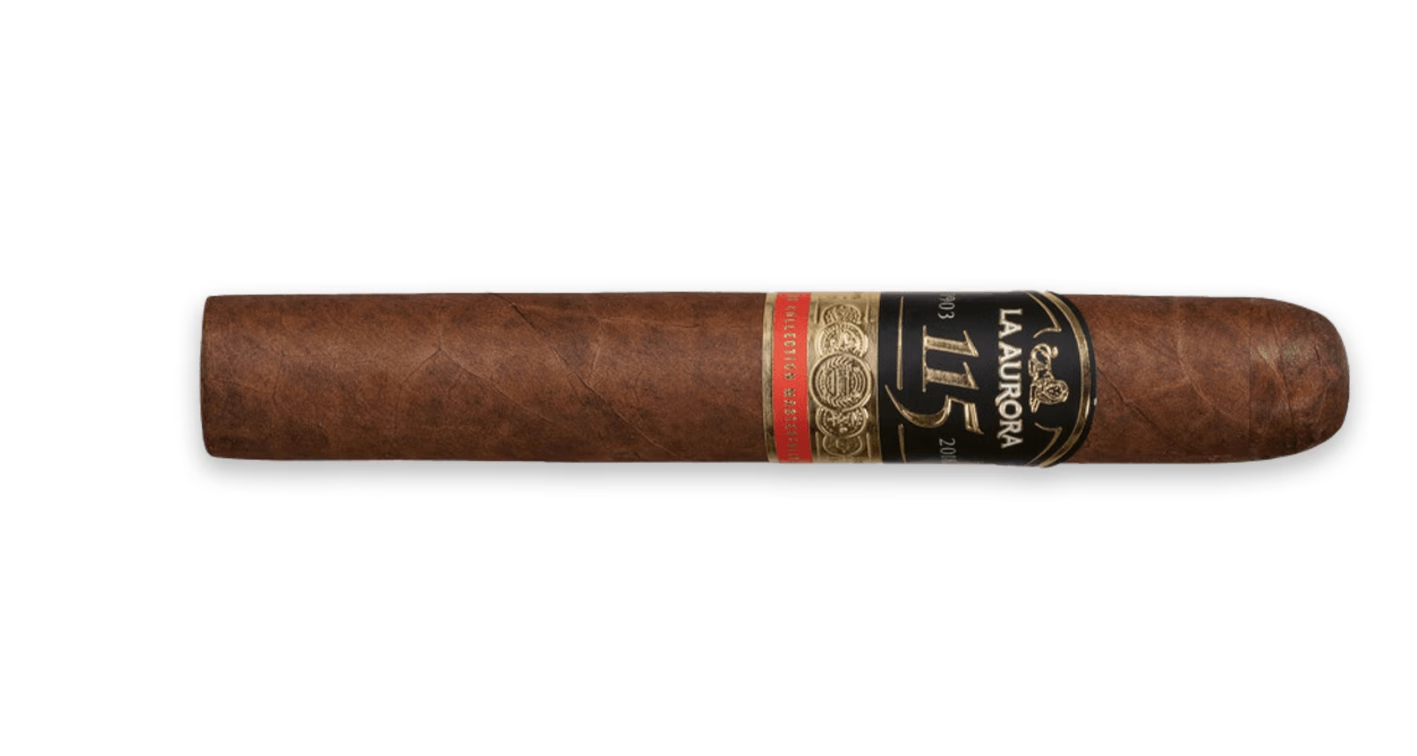
-
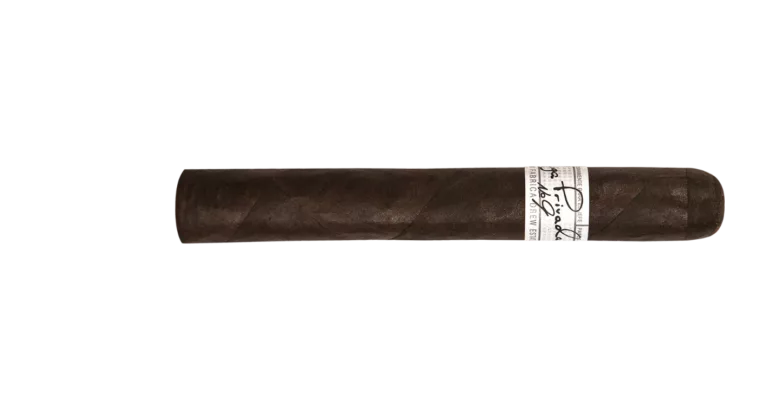
Liga Privada No. 9 Toro
4
12.7
54
-

Liga Privada T52 Coronets
5
10.1
32
-
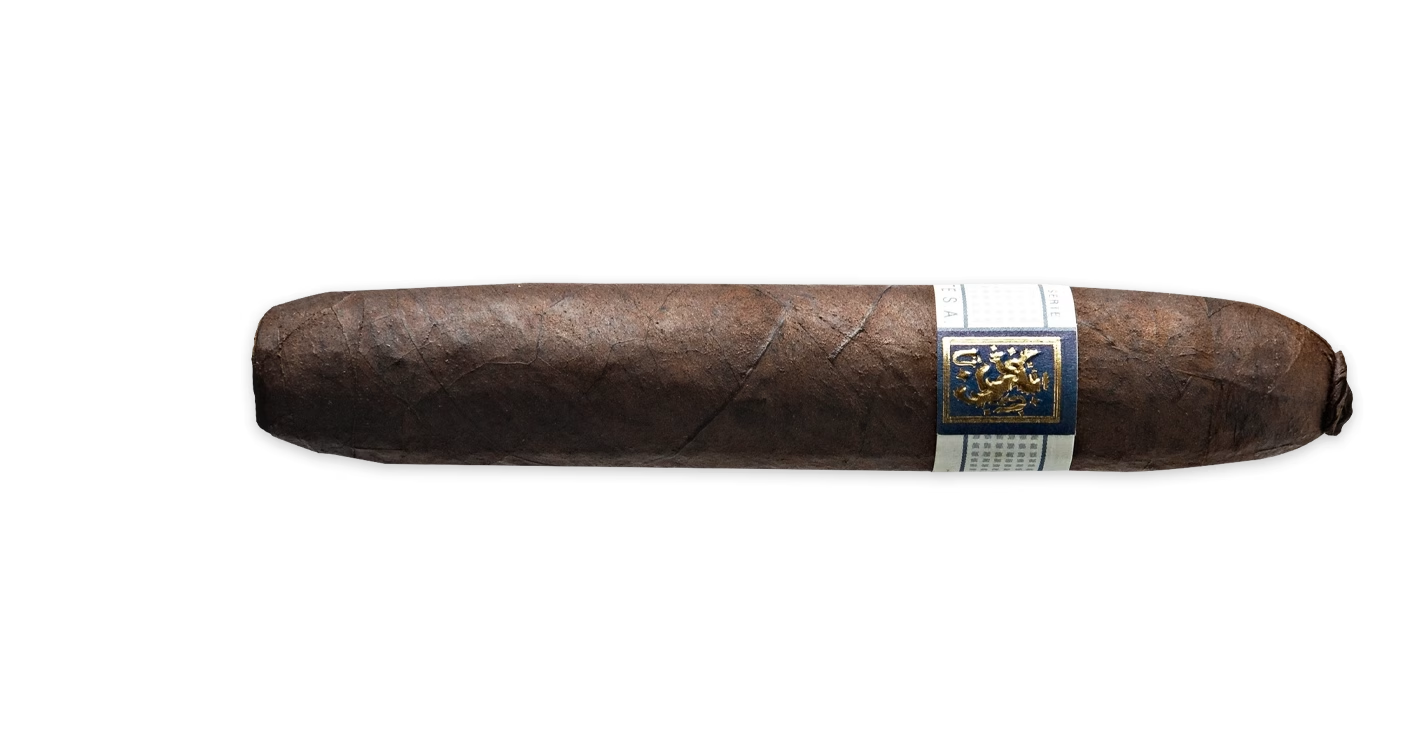
Liga Privada Unico Feral Pig
4
13.6
60
-
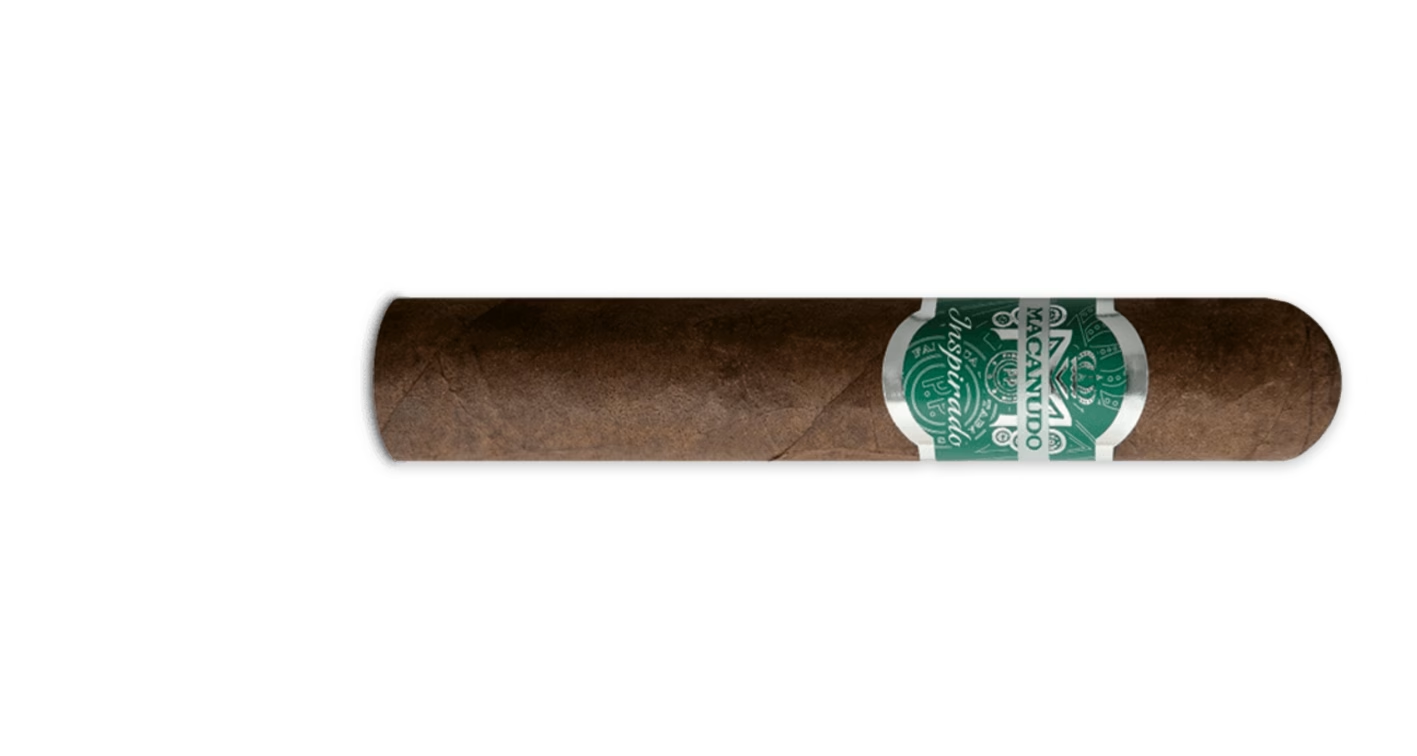
Macanudo Inspirado Green Robusto
3
12.7
52
-
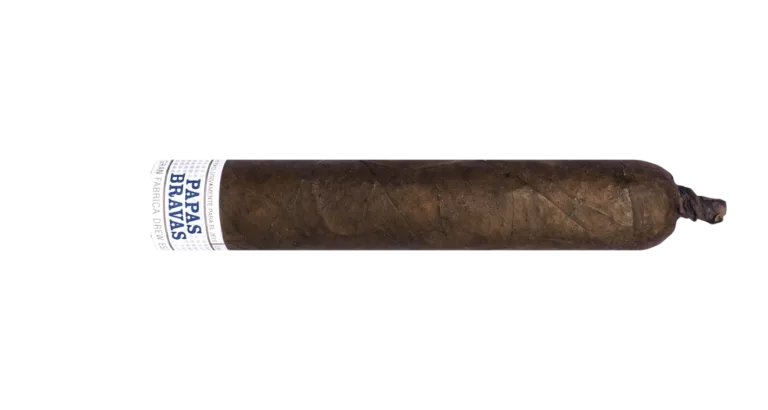
Papas Bravas Robusto
3
12.7
54
-
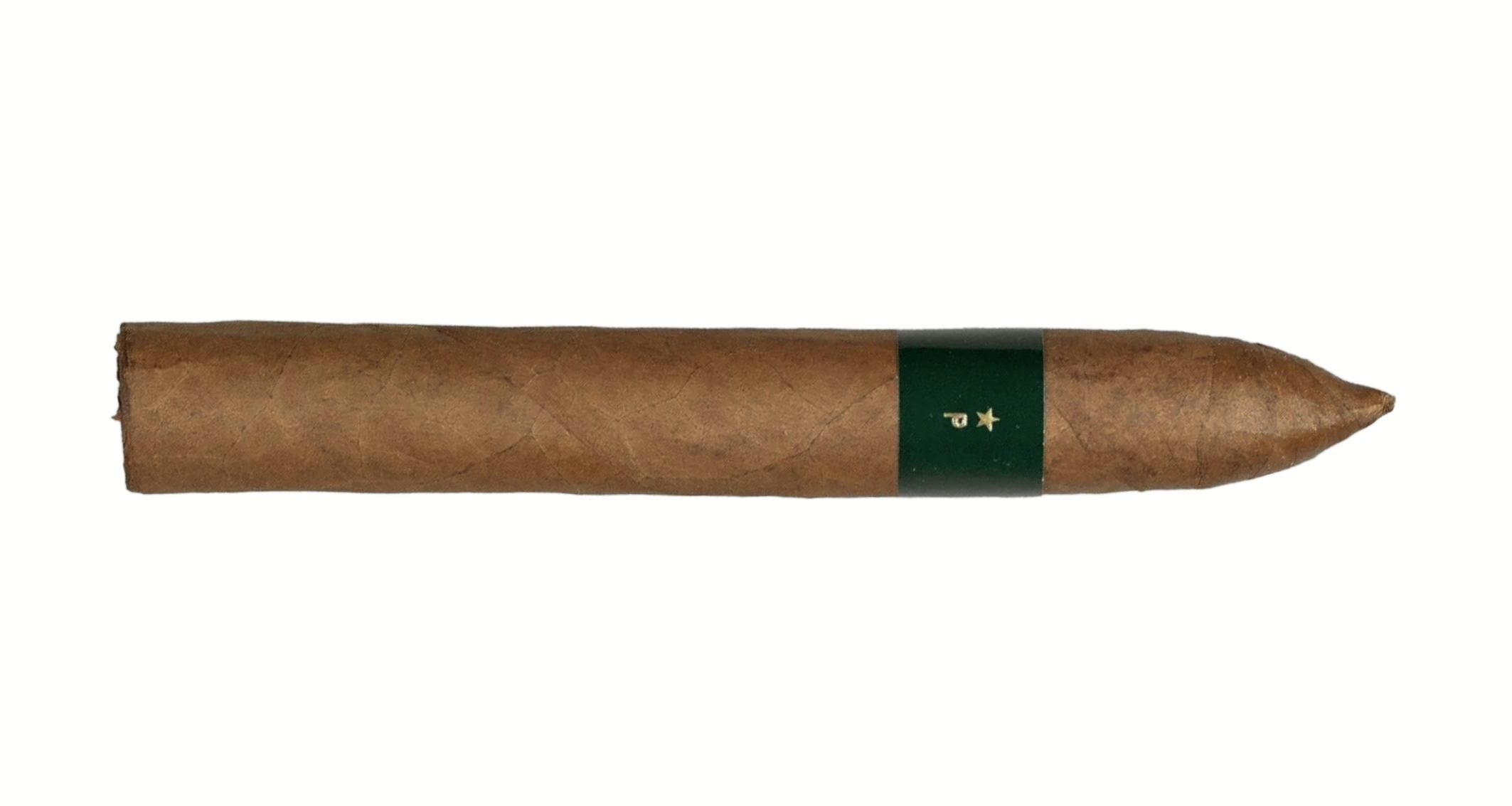
Patoro Brasil Belicoso
4
15.2
50
-
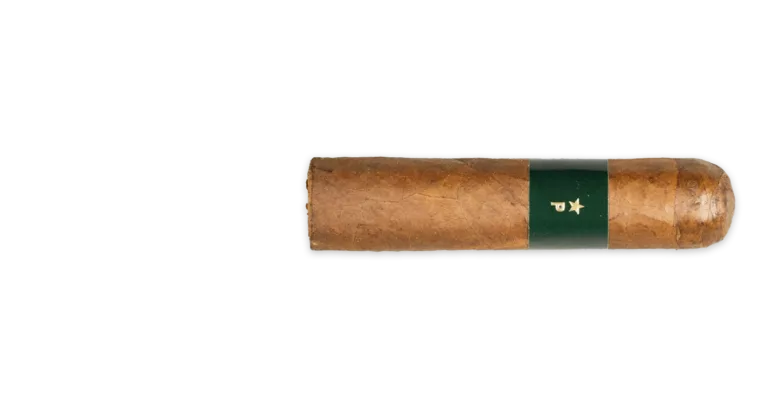
Patoro Brasil Gordito
5
10.2
58
-
-
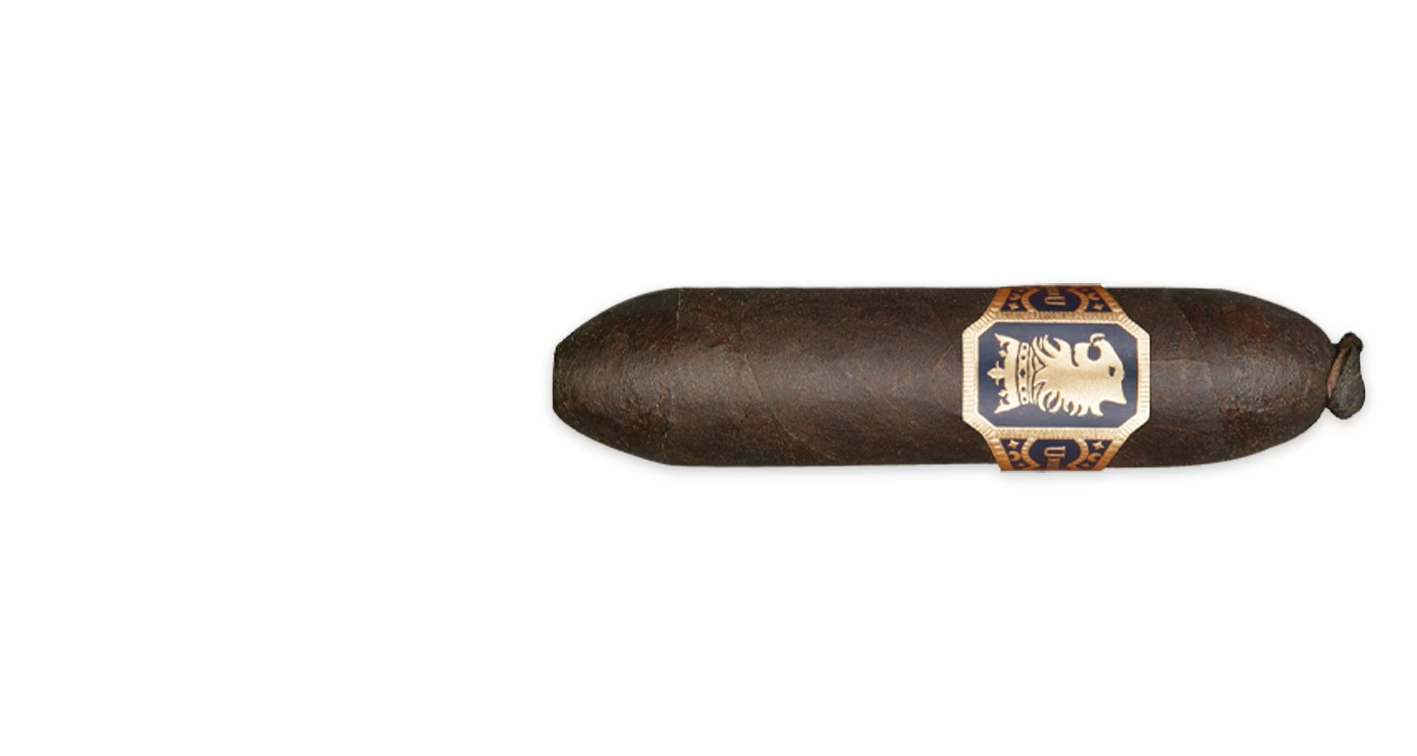
Undercrown Maduro Flying Pig
5
10.1
60
-
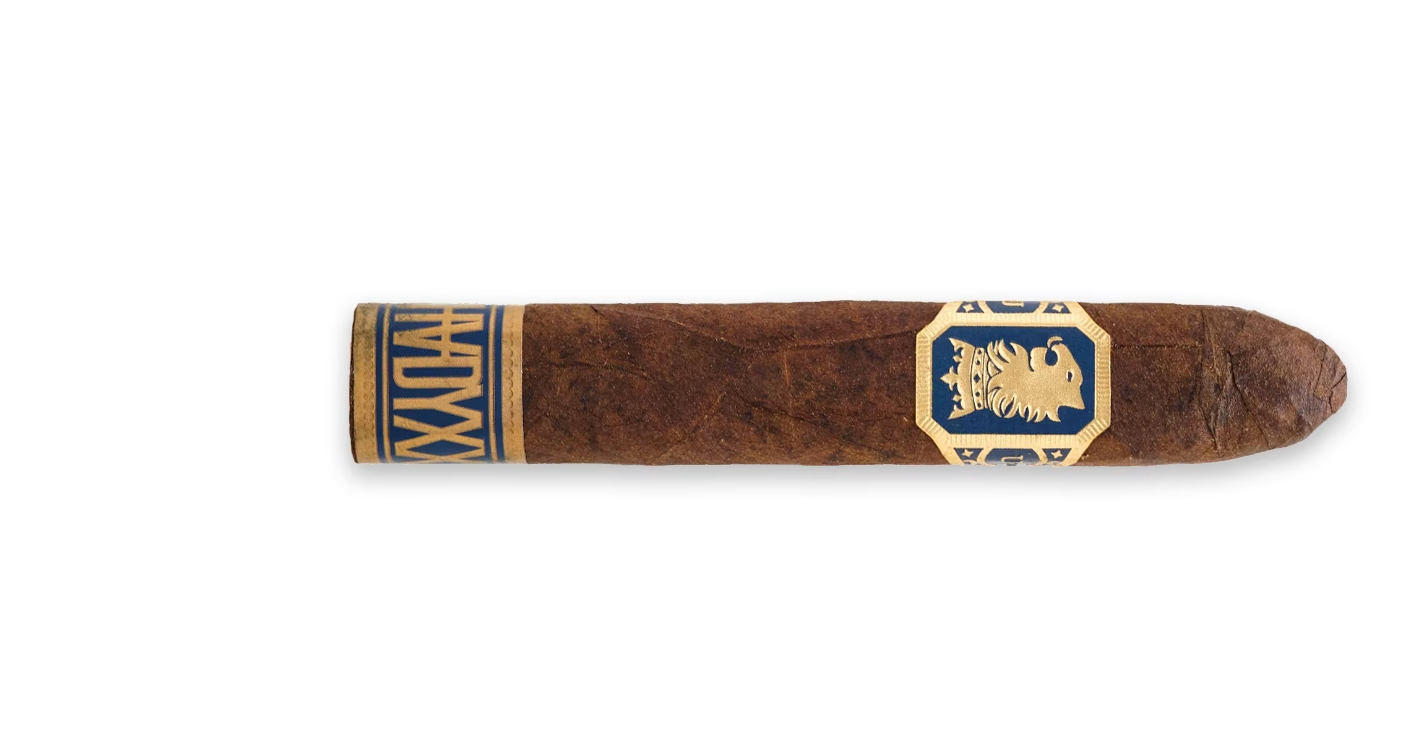
Undercrown Shaddy XX
3
12.7