Mexico: San Andrés, the land of maduro cigars
The forgotten cradle of the cigar. Long before Cuba, the Maya were already smoking rolled tobacco leaves. Today, Mexico remains somewhat in the shadow of its Caribbean neighbours, but connoisseurs know it for one thing: its dark, rich and sweet San Andrés wrappers, which adorn maduros all over the world. If you like earthy, chocolatey and full-bodied cigars, this region is for you.
A bit of history
Tobacco has been grown and smoked in Mexico for thousands of years. The Maya of Yucatán and Chiapas used it in religious ceremonies, and it is said that the word ‘cigar’ itself derives from their language.
Under Spanish rule, tobacco became a Crown monopoly and made New Spain’s fortune. But it was at the end of the 19th century that the modern Mexican cigar came into being: in 1880, the Turrent family began growing tobacco in the San Andrés Tuxtla valley, in the state of Veracruz. More than a century later, Casa Turrent is still going strong and remains one of the country’s leading names.
Following the Cuban Revolution of 1959, Mexico, like Nicaragua and the Dominican Republic, also began to welcome producers from the island. The country remains, however, a relatively low-profile producer, better known for its tobacco leaves than for its brands.
A volcanic terroir on the shores of the gulf
The San Andrés Valley is nestled in the Sierra de los Tuxtlas, a volcanic mountain range situated on the shores of the Gulf of Mexico. The black volcanic soil there is very fertile, the climate is hot and humid, and the sea breezes provide constant moisture.
The premier variety is known as San Andrés negro. Its thick, oily leaves withstand long fermentation periods, which turn them almost black and bring out their natural sweetness. This is what makes it one of the most sought-after maduro wrappers in the world.
But San Andrés isn’t just about the wrapper.
San Andrés Tuxtla: the birthplace
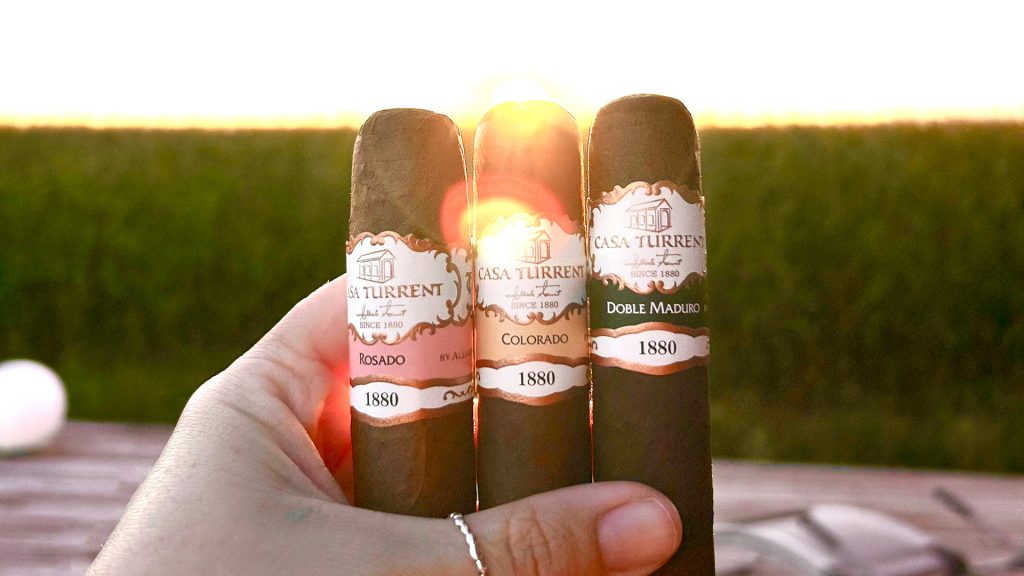
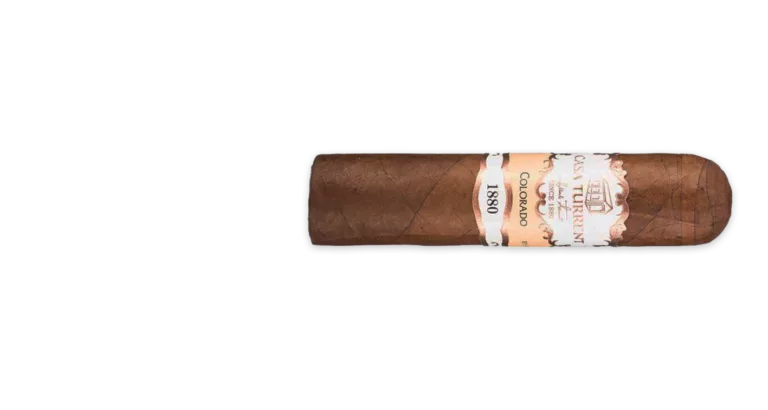
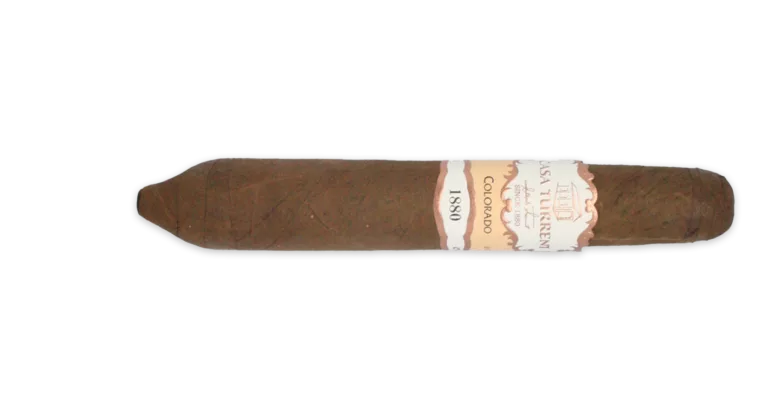
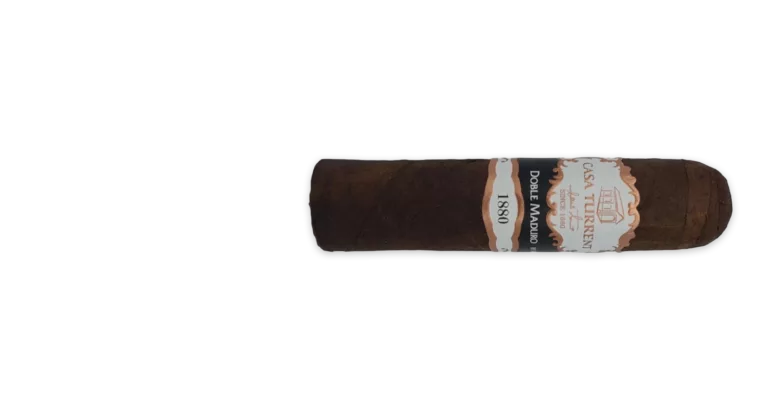
Since 1880, the Turrent family has been growing, curing and rolling its tobacco in the valley. Its 1880 range offers an excellent tasting experience: the same size is available in Claro, Colorado, Rosado and Doble Maduro. Simply changing the wrapper is enough to transform the cigar, from creamy smoothness to rich, chocolatey depth.
The 100 per cent Mexican cigar
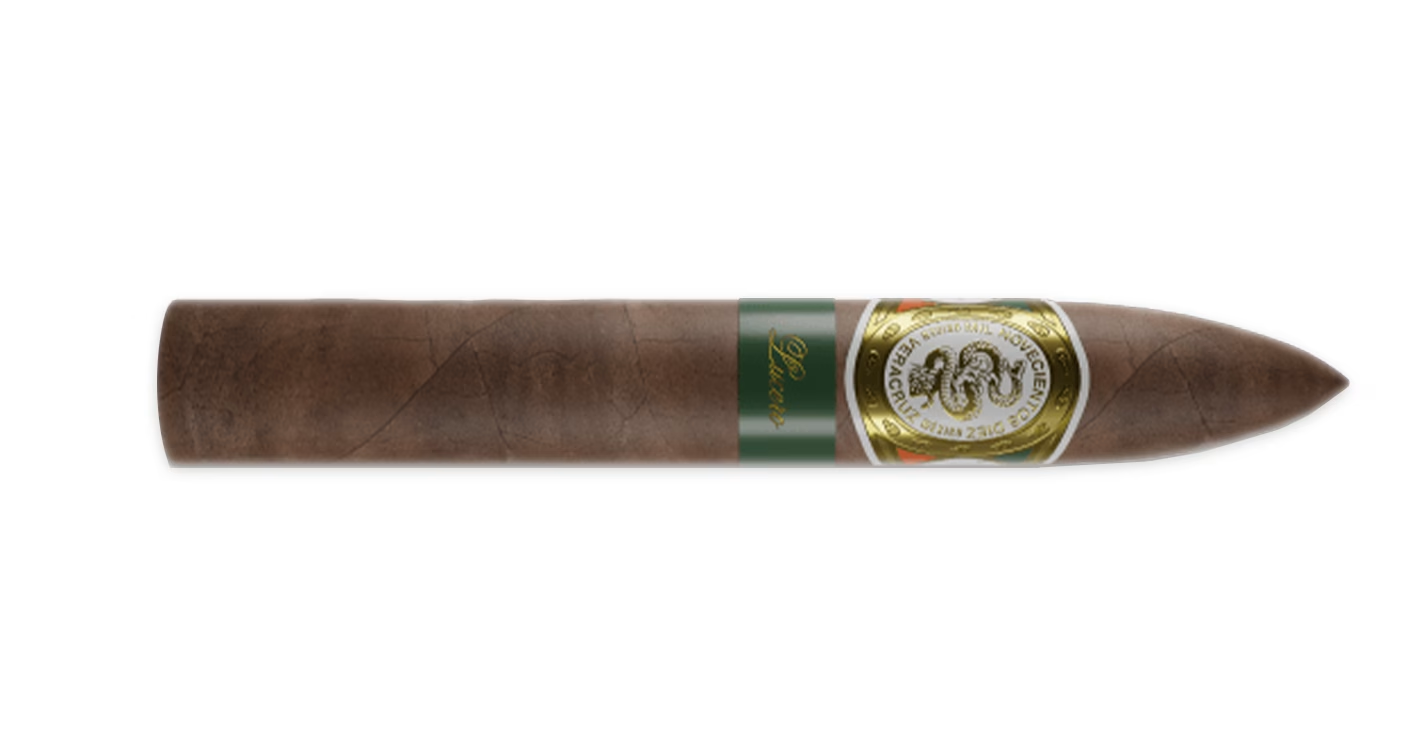
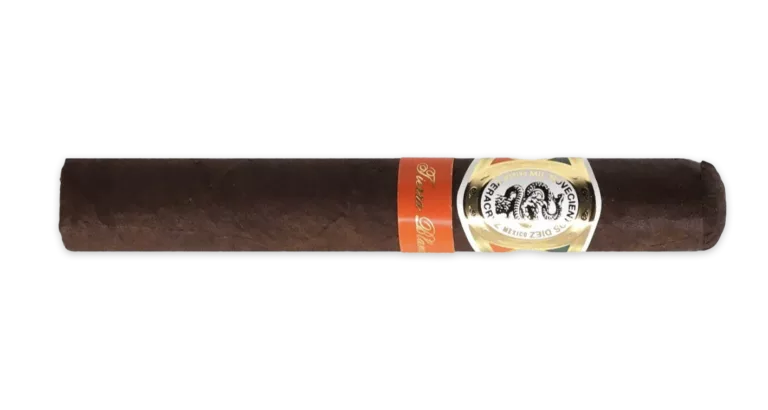
For a long time, Mexican tobacco was mainly used as a wrapper for cigars rolled elsewhere. Brands such as Casa 1910 prove that it can also stand on its own. Its Tierra Blanca, a tribute to a battle from Pancho Villa’s revolution, is entirely Mexican: dry hay, earth, wood, leather and roasted notes.
 Los Tuxtlas, Mexique (Marco Cano Exp / Wikimedia Commons, CC BY-SA 4.0)
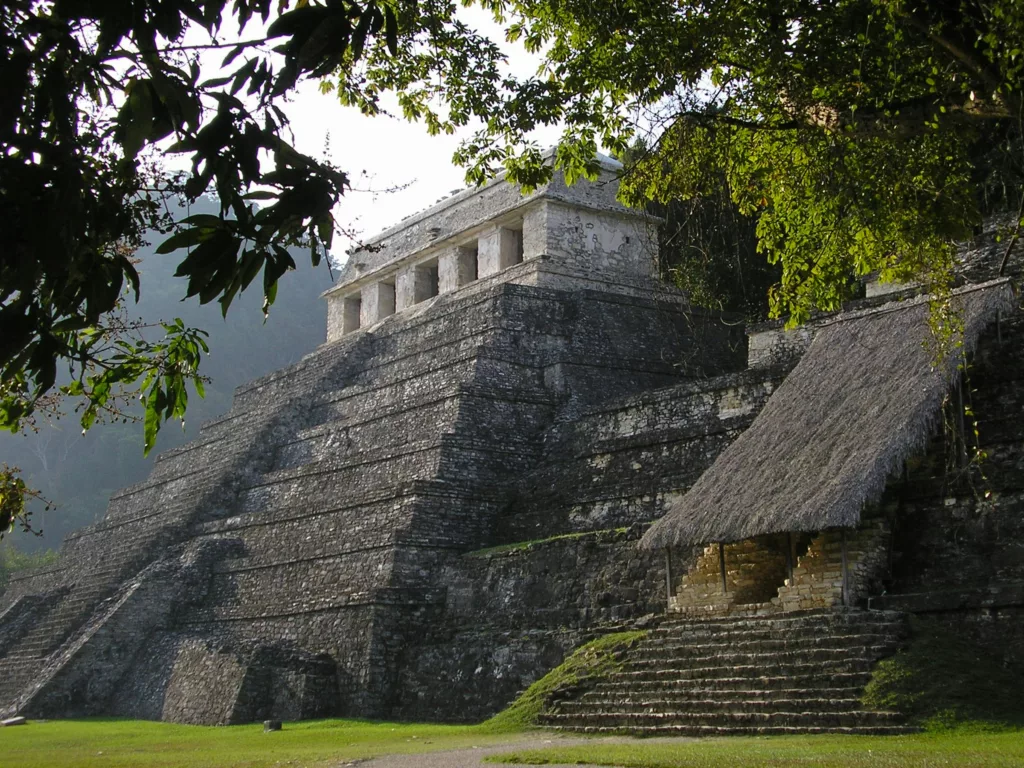 Palenque, Chiapas, Mexique (Danny van Dijk / Unsplash)
Sik’ar: the cigar speaks Maya
The most widely accepted etymology traces the word ‘cigar’ back to the Mayan word sik’ar, meaning ‘to smoke’. On a Mayan pottery vessel found at Uaxactún, a figure is already seen smoking a roll of leaves tied with string. The cigar therefore had a name and a form long before it crossed the Atlantic.
The expression of the terroir
The terroir of San Andrés gives the leaves a distinctively earthy and sweet character that is instantly recognisable. The long fermentation of the wrappers adds deep, almost candied notes.
If you appreciate these characteristics, you’ll love this region:
- dark, oily maduro cigars,
- notes of cocoa, coffee, brown sugar and damp earth,
- the dense, generous smoke.
What differences can be detected during tasting?
Whilst Nicaraguan tobacco often starts with a peppery kick, a San Andrés wrapper first reveals its sweetness: dark chocolate, roasted coffee, and occasionally a hint of dried fruit. Earth and leather then take over. In a puro, Mexican tobacco is more rustic, more earthy, with notes of hay and wood.
This is a cigar to enjoy at the end of the day; it’s perfect for savouring after a hearty meal or by the fireside.
Pairing suggestions
To go with this kind of profile, we’d happily recommend:
- a mezcal, whose smoky notes complement the earthy notes of the cigar,
- an añejo tequila, for its vanilla and caramel notes,
- a stout or a porter, or a piece of dark chocolate.
The idea is to play around with the sweetness of the wrapper without overdoing it.
Conclusion
Mexico deserves far more than its reputation as a supplier of wrappers. Volcanic soils on the Gulf coast, a unique variety of tobacco and families of growers who have been established there for over a century produce earthy, sweet and full-bodied cigars. If you like maduros, San Andrés is a must-visit.
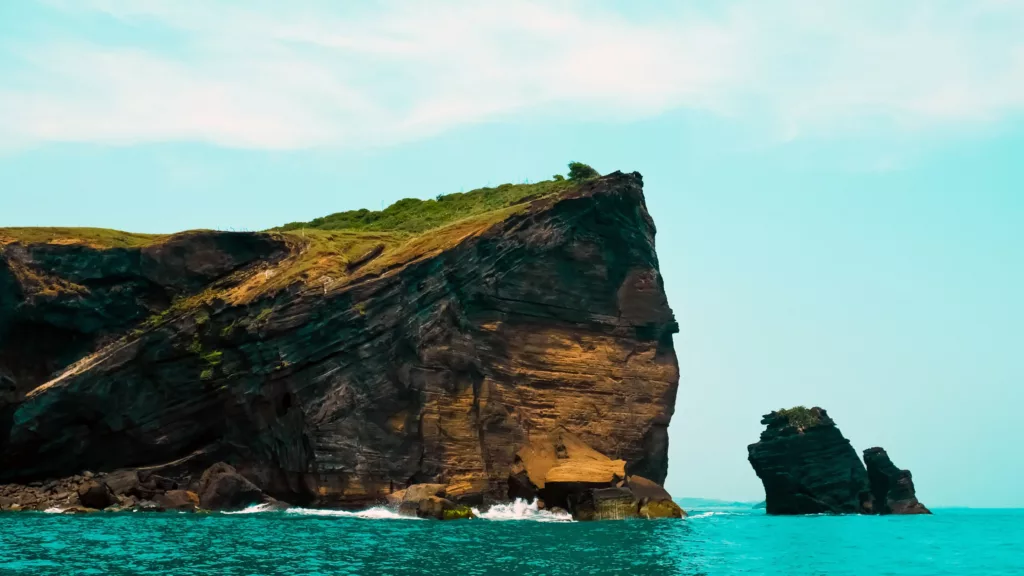 Punta Roca Partida, Veracruz, Mexique (Roberto Carlos Román Don / Unsplash)
Our Mexican cigars
-
-
-
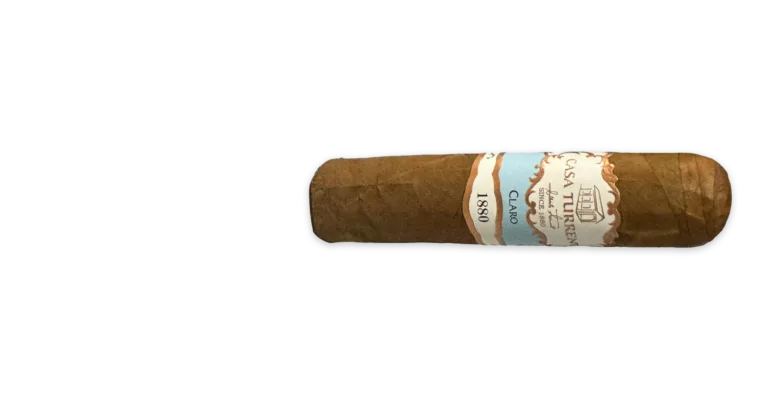
Casa Turrent 1880 Claro Gordito
2
10.2
60
-
-
-
-
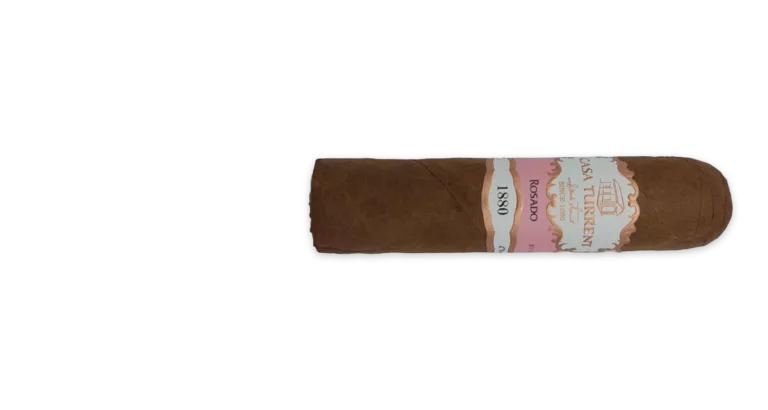
Casa Turrent 1880 Rosado Gordito
3
10.2
60
-
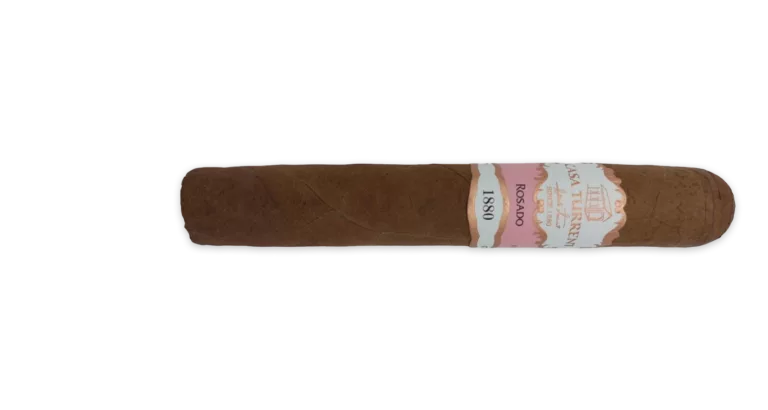
Casa Turrent 1880 Rosado Robusto
3
13.3
55
-
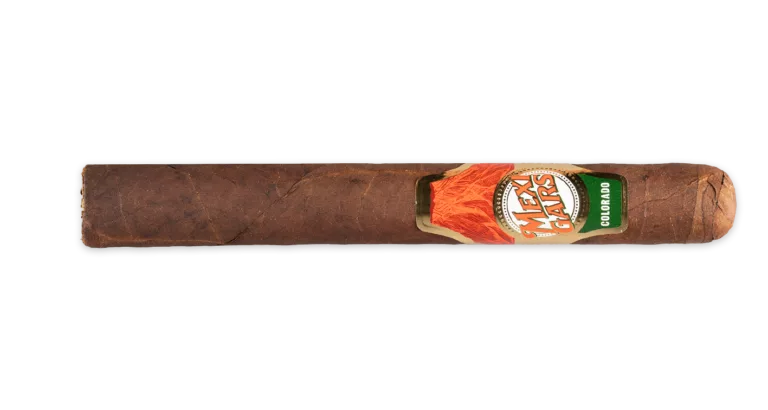
MexiGars Habano Casa 1910
3
15.2
52