
Haiti: a little-known producer
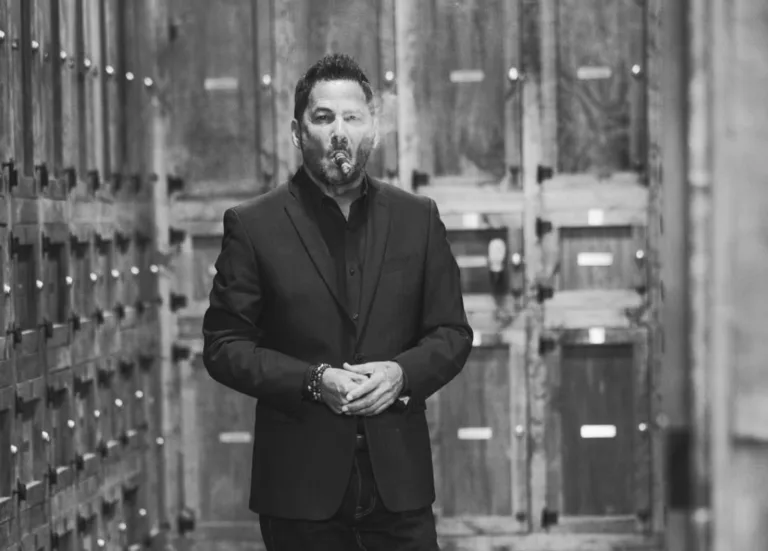
Haiti and the Dominican Republic share the island of Hispaniola. Natural disasters and political turmoil have long held back Haiti’s development, even though the country enjoys ideal conditions for growing tobacco. Despite those obstacles, a few dedicated producers keep an exceptional artisanal know-how alive, crafting cigars of remarkable quality that are now recognised well beyond the country’s borders.
A “bohemian” name
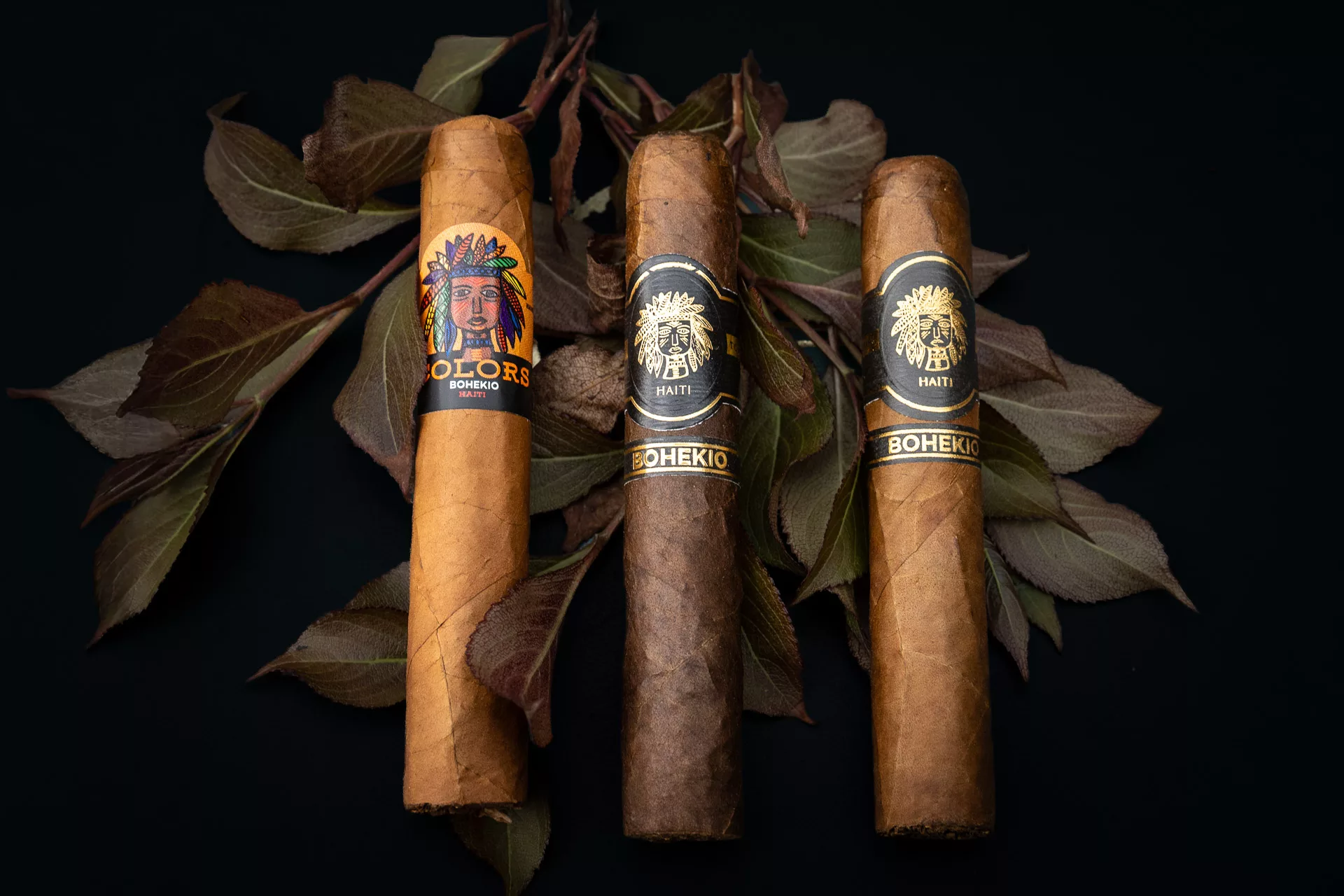
The first inhabitants of Hispaniola, the Taíno, were already growing tobacco long before the Europeans arrived. As a tribute to that ancestral heritage, the three founders named their cigar brand BOHEKIO, after a Taíno chief.
The Taíno are also credited with the origin of the word “tobacco” and with the invention of the hammock. Christopher Columbus discovered this cultural legacy when he landed on Hispaniola in 1492, the first contact between Europe and the peoples of the Caribbean.
Today, BOHEKIO carries on that centuries-old tradition, honouring the historical roots of Haitian tobacco and the craftsmanship of a land that belongs to the cigar’s birthplace.
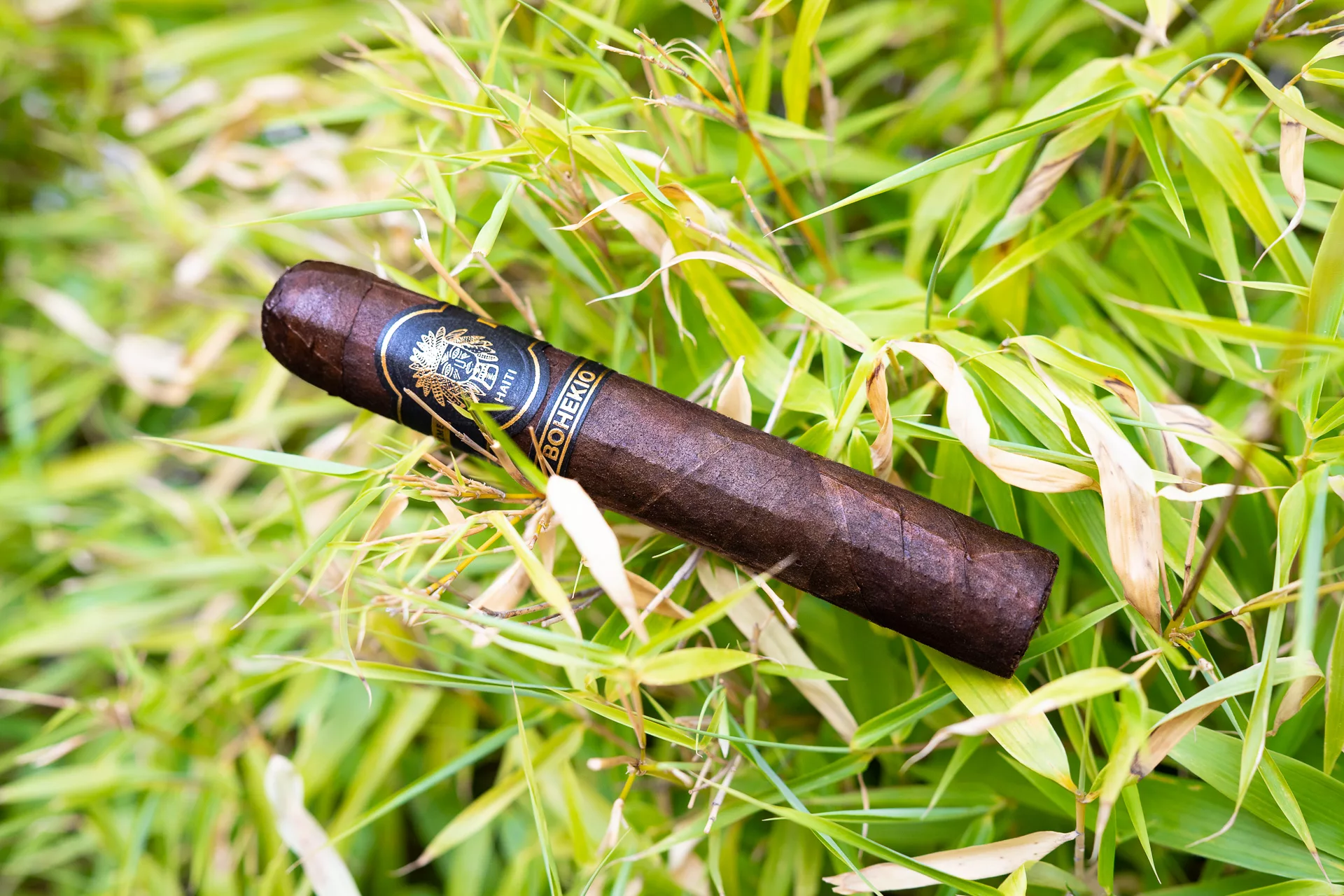
The brand's cigars
Subscriptions

The Explorer
√ 3-month membership
√ Guest admission to our events
CHF 145

The Regular
√ 6-month subscription
√ Guest admission to our events
√ A complimentary engraved humidor
CHF 290.–

The Dedicated
√ 12-month subscription
√ Guest admission to our events
√ A complimentary engraved humidor
√ A 13th month’s free subscription
CHF 580.–