Honduras: complexity, smoothness and depth
An often-underestimated classic. When you delve into the world of premium cigars, Honduras often takes a back seat to Cuba or Nicaragua. And yet, for decades this Central American country has been producing some of the most balanced and complex cigars around. If you’re looking for cigars with depth, substance and genuine aromatic finesse, this is a terroir you simply must explore.
A bit of history
Tobacco cultivation in Honduras dates back to pre-Columbian times, but it was not until the 1960s that the country truly made its mark on the international stage. As in neighbouring Nicaragua, the Cuban exodus played a decisive role: families of tobacco farmers and cigar rollers fled their homeland, which had become unliveable.
Among the pioneers were figures such as Frank Llaneza, who helped establish the first Honduran tobacco company (HATSA, Honduras-American Tobacco S.A., now owned by the Scandinavian Tobacco Group), and Nestor Plasencia, who, after settling in Nicaragua, expanded his empire to the Jamastran Valley, where he would go on to produce Honduran ranges such as “Cosecha”. Others, such as General Cigar, also set up major manufacturing facilities there.
A rich terroir that shapes the cigar
The fact that Honduras produces such distinctive cigars is primarily down to the diversity of its soil and climate.
The region benefits from steep-sided, sheltered valleys, with significant variations in altitude that create exceptional microclimates. Cool nights contrast with warm, sunny days, which slows the growth of the leaves and promotes a dense concentration of aromas. The mineral-rich, well-drained soils allow the plants to develop thick leaves that are rich in oils.
In practical terms, this results in cigars that are both full-bodied and complex, yet with a smoother, creamier flavour profile than those from Nicaragua. The Honduran terroir is often described as striking a balance between the structure of Cuban cigars and the strength of Nicaraguan ones.
But not all regions of Honduras are the same.
Danlí – the industrial heart of production
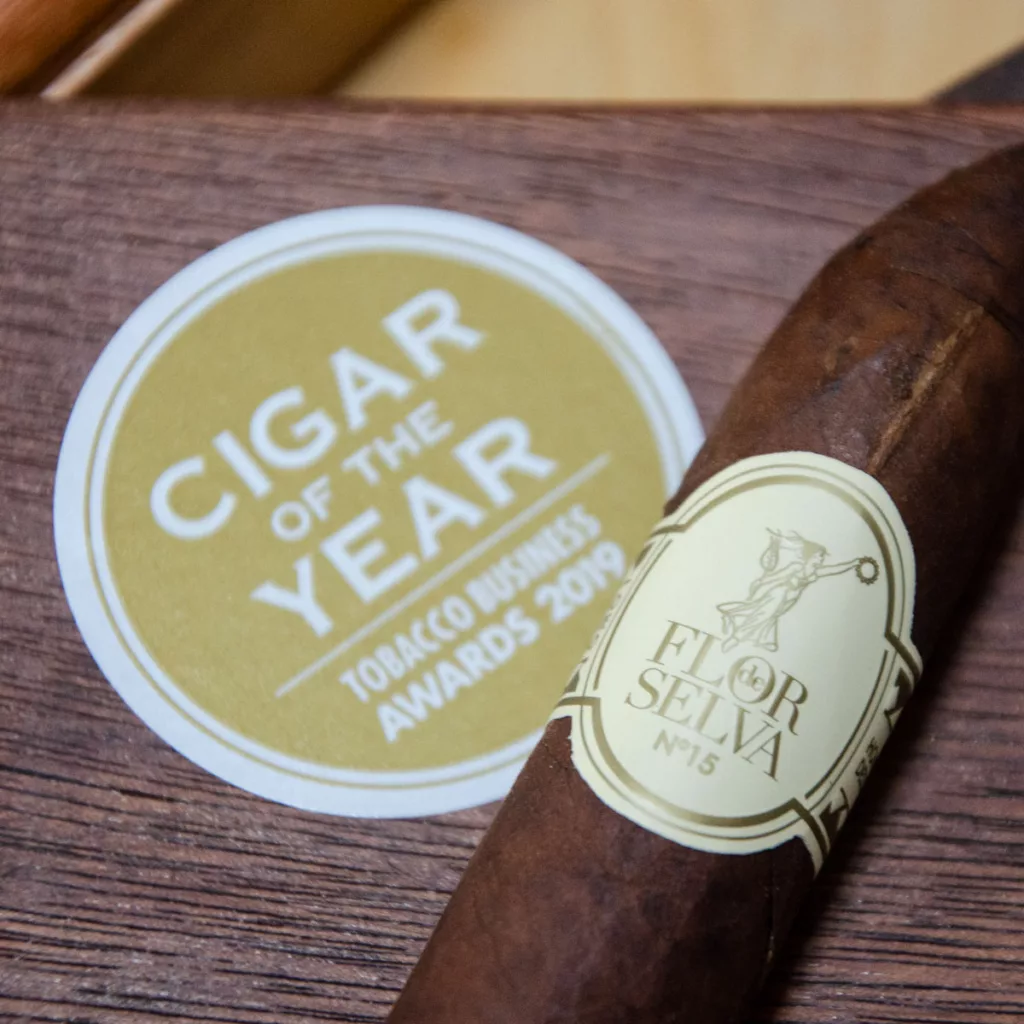
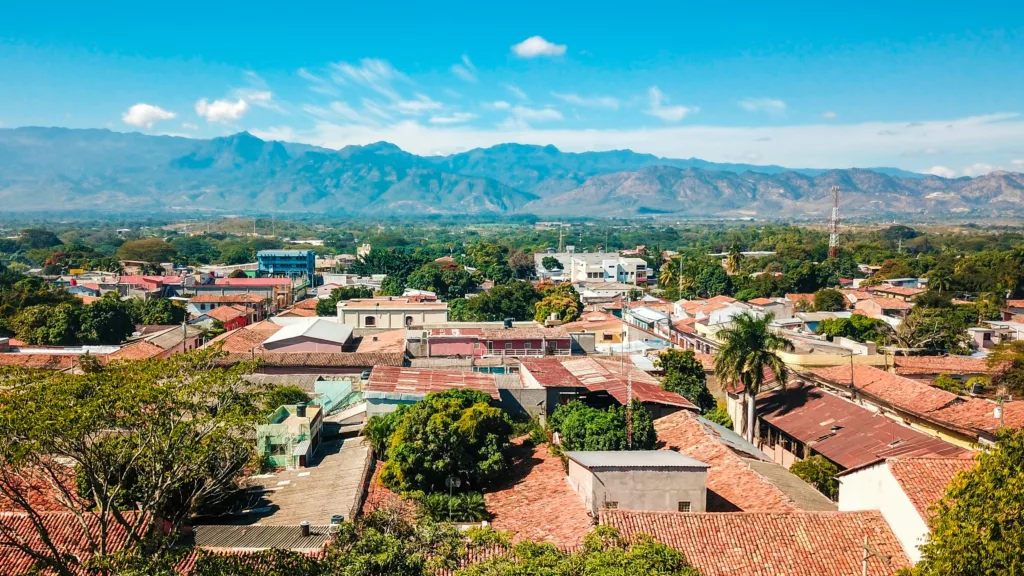
Danlí is the cigar capital of Honduras. Home to numerous cigar factories, including HATSA, this city is to Honduran production what Estelí is to Nicaragua: an essential hub. The tobacco grown around Danlí is renowned for its consistency, balance and accessibility, making it ideal for blends with leaves from other origins. Since 2025, it has also been home to Flor de Selva’s new factory, which was inaugurated to mark the brand’s 30th anniversary.
Jamastran – a fine example of Honduran terroir
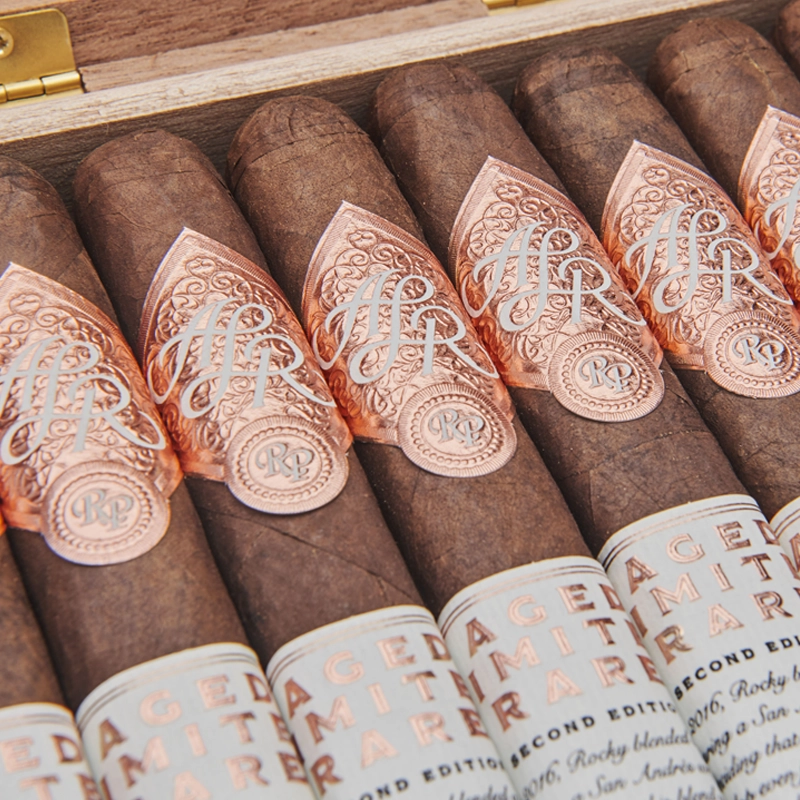
The El Paraíso region alone embodies the very essence of Honduras’s reputation for cigars. The plantations stretch across hillsides with red, clay-rich soil that enjoy plenty of sunshine. It was here that Rocky Patel established a factory covering more than 10,000m².
And what about the Caribbean coast?
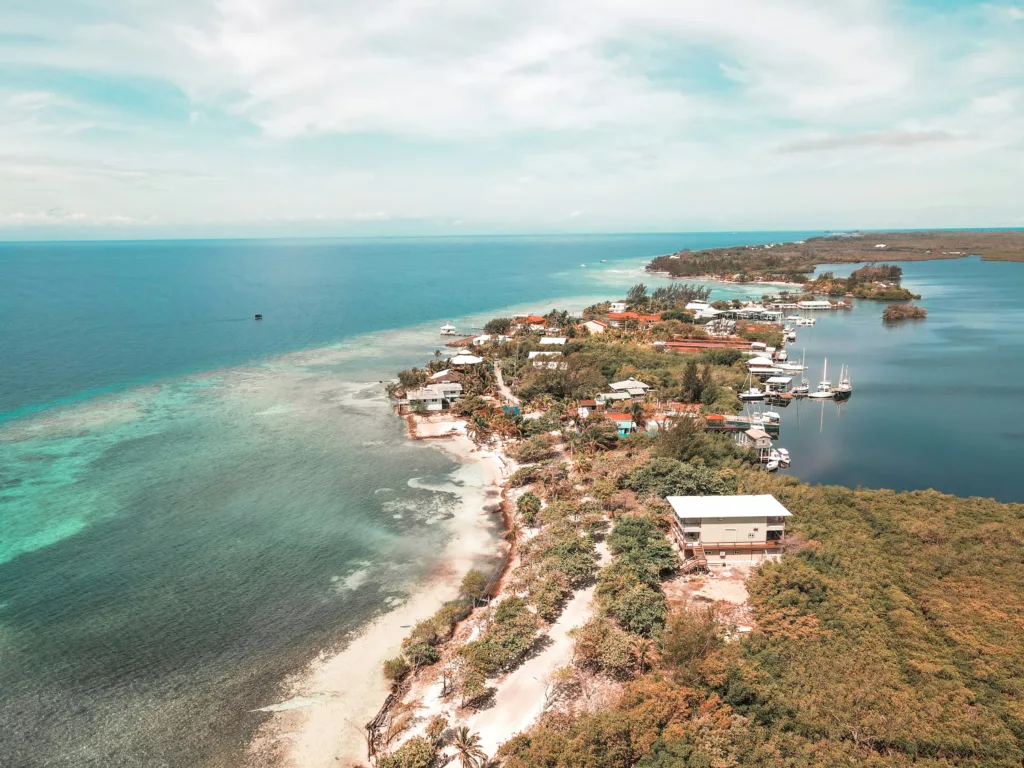
The north, which faces the Caribbean Sea, has a climate that is too hot and humid for tobacco cultivation. As in other countries on the continent, the large plantations are concentrated in the mountainous regions of the interior.
The expression of the terroir
The Honduran terroir has a profound effect on the plant, imparting aromatic characteristics that no manufacturing process can artificially replicate. This is then reflected in the cigar’s complexity.
If you appreciate these characteristics, you’ll find this terroir absolutely delightful:
- cigars with depth and a long finish,
- creamy and woody profiles,
- blends that truly evolve throughout the tasting
What are the differences when tasting?
Honduras is often regarded as a more approachable region than Nicaragua in terms of raw strength, without lacking in character. As a puro, it offers a well-rounded tasting experience, with a smooth initial flavour that gradually develops into notes of leather, wood, coffee and nuts.
Blended with Nicaraguan or Dominican tobacco, it provides structure and a creamy body that enrich the flavour profile without weighing it down. It’s the sort of cigar you’ll enjoy in the middle of the afternoon or after a meal, when you want to take the time to really savour it without being overwhelmed by its strength.
Possible combinations
To complement this type of profile, we’d be happy to recommend:
- an amber rum or an aged agricultural rum,
- an American bourbon with hints of vanilla and oak,
- or even a long, lightly roasted coffee.
The idea is to choose flavour combinations that can complement the complexity of the cigar without overpowering it.
Conclusion
Honduras is a must-visit destination if you’re looking to explore complex, elegant and deep-flavoured cigars. Thanks to the diversity of its valleys, the altitude of its plantations and a craft inherited from the great Cuban masters, it offers rich and balanced flavour profiles. If you’re looking for a tasting experience with character, length and genuine aromatic finesse, this terroir is well worth your attention.
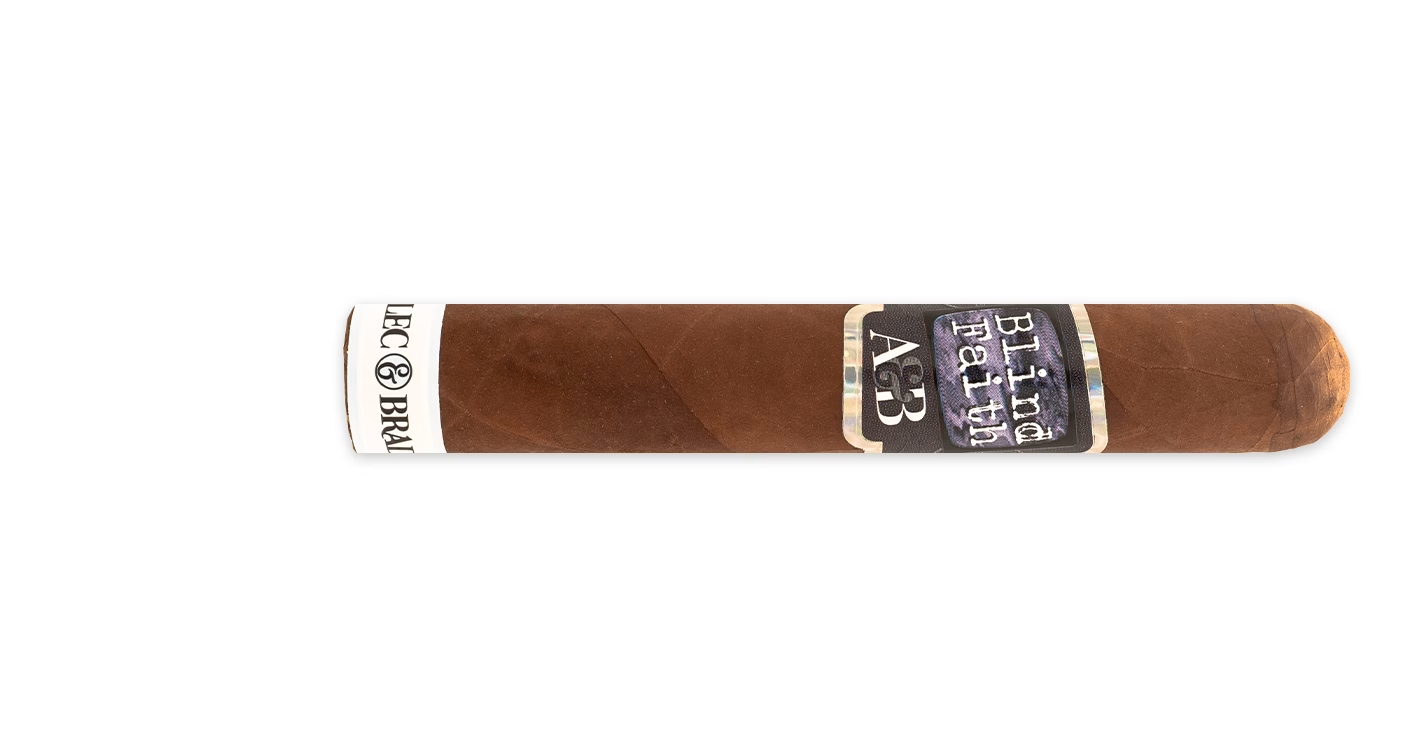
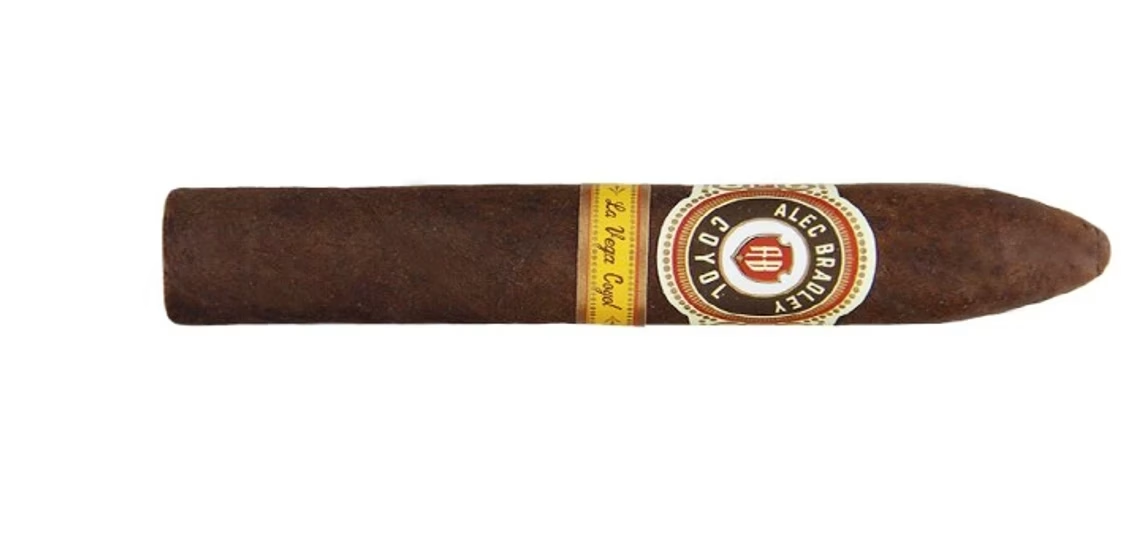
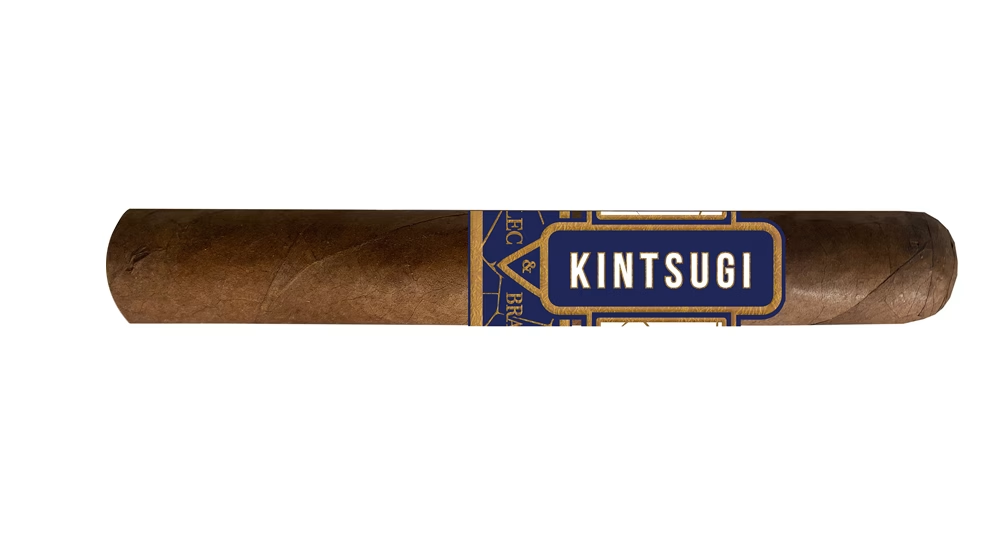
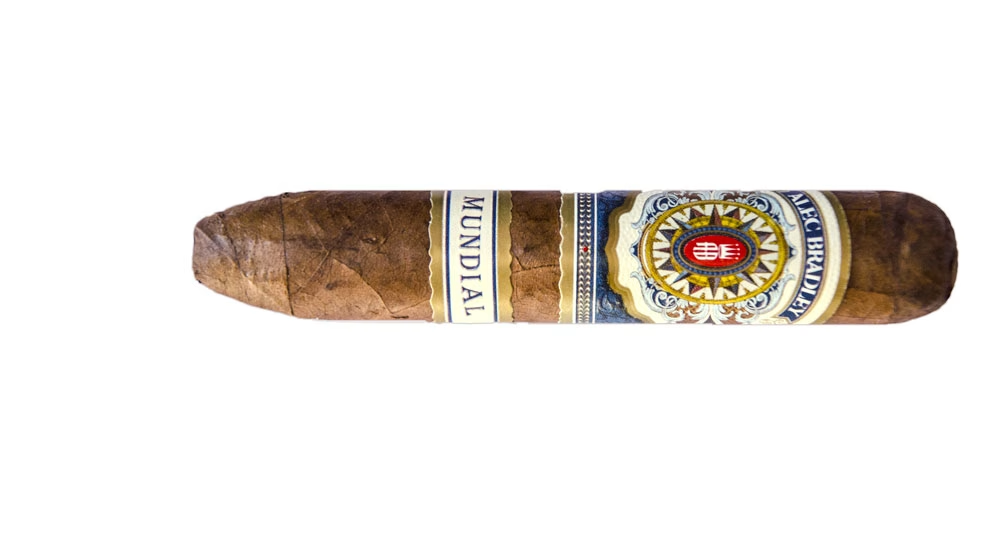
Our Honduran cigars
-
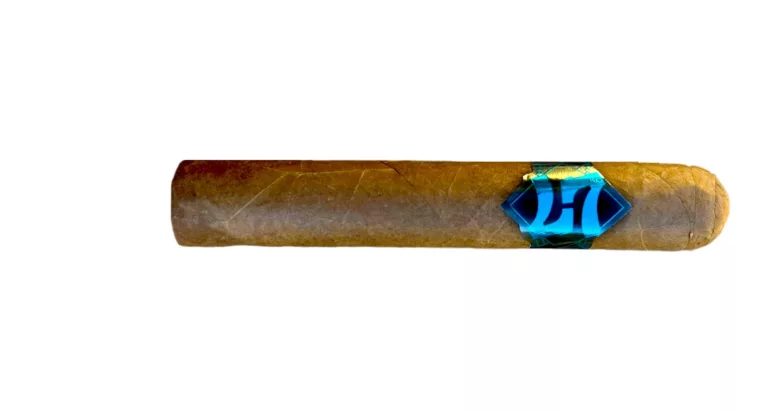
5ème élément – N°1 Air
1
13.2
55
-
-
-
-
-
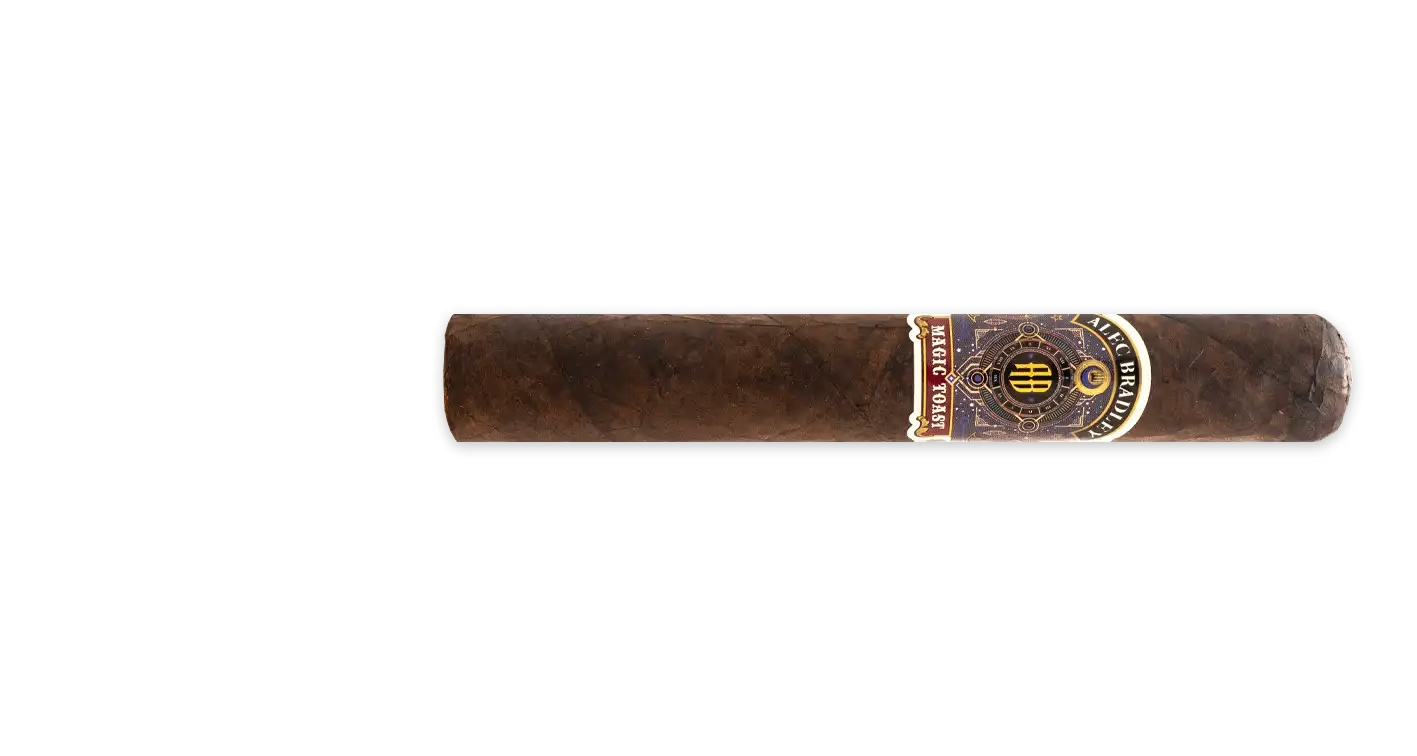
Alec Bradley Magic Toast Chunk
5
11.4
60
-
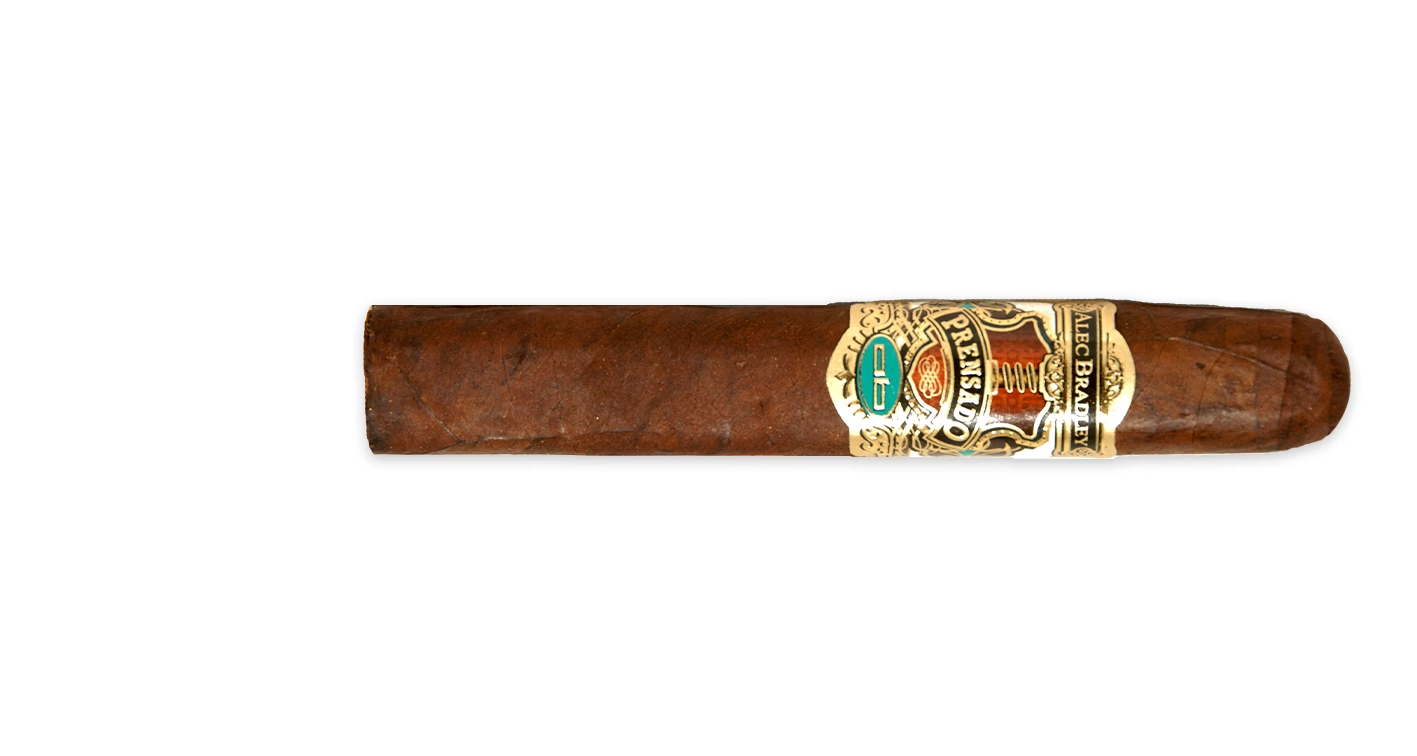
Alec Bradley Prensado Robusto
5
12.7
50
-
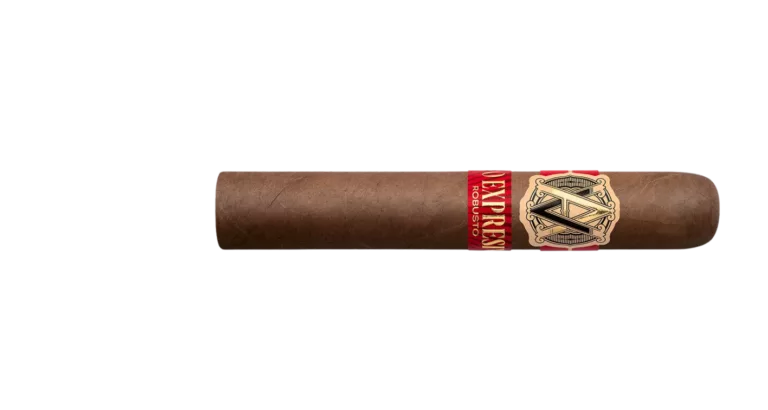
AVO Expresivo Robusto
4
12.7
52
-
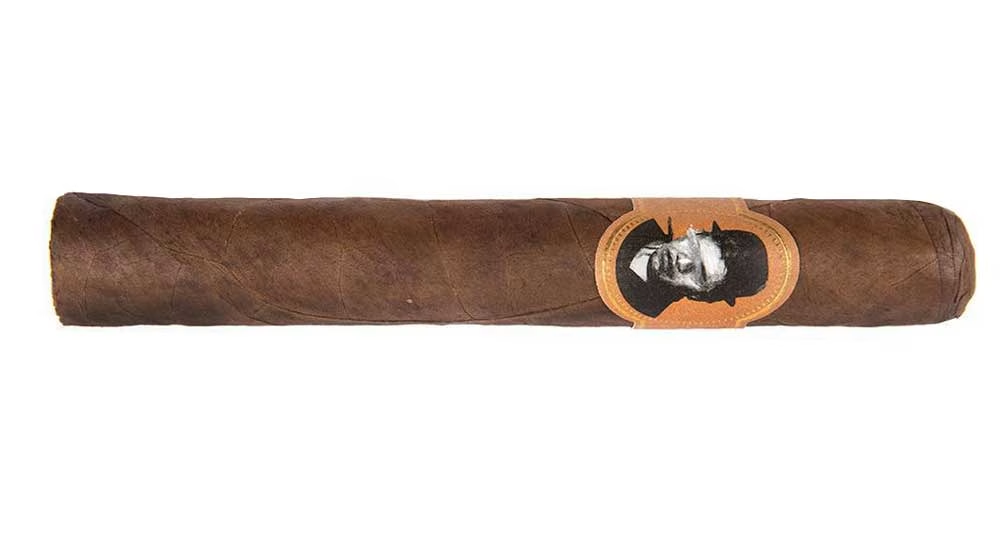
Caldwell Blind Man’s Bluff Toro
3
15.24
56
-
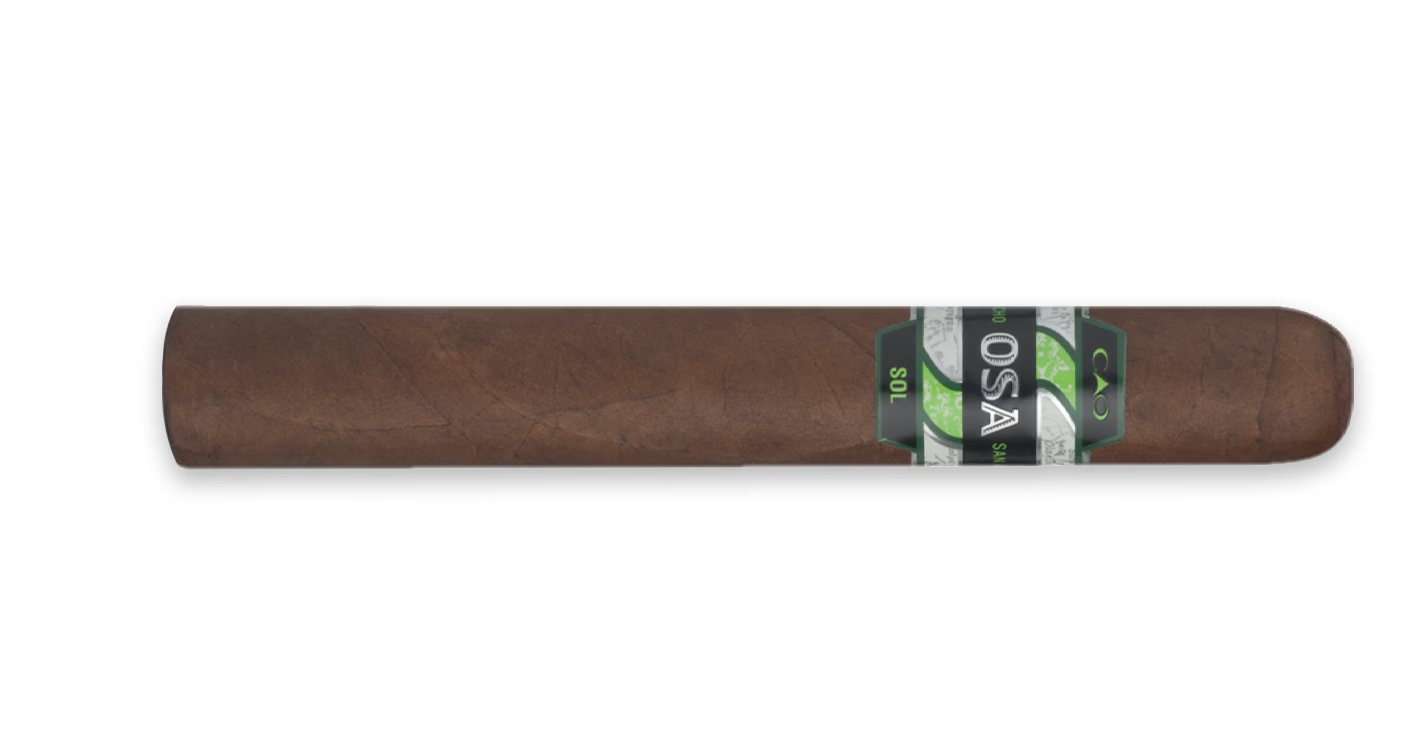
CAO OSA Sol Lot 54
5
15.2
54
-
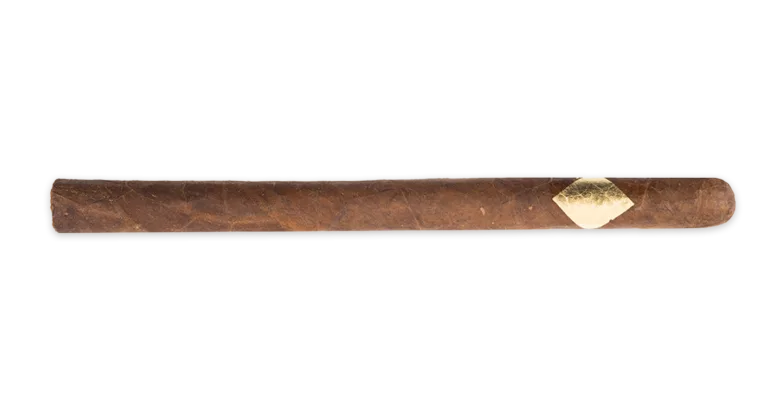
Cavalier Genève Black II Lancero
4
17.7
38
-
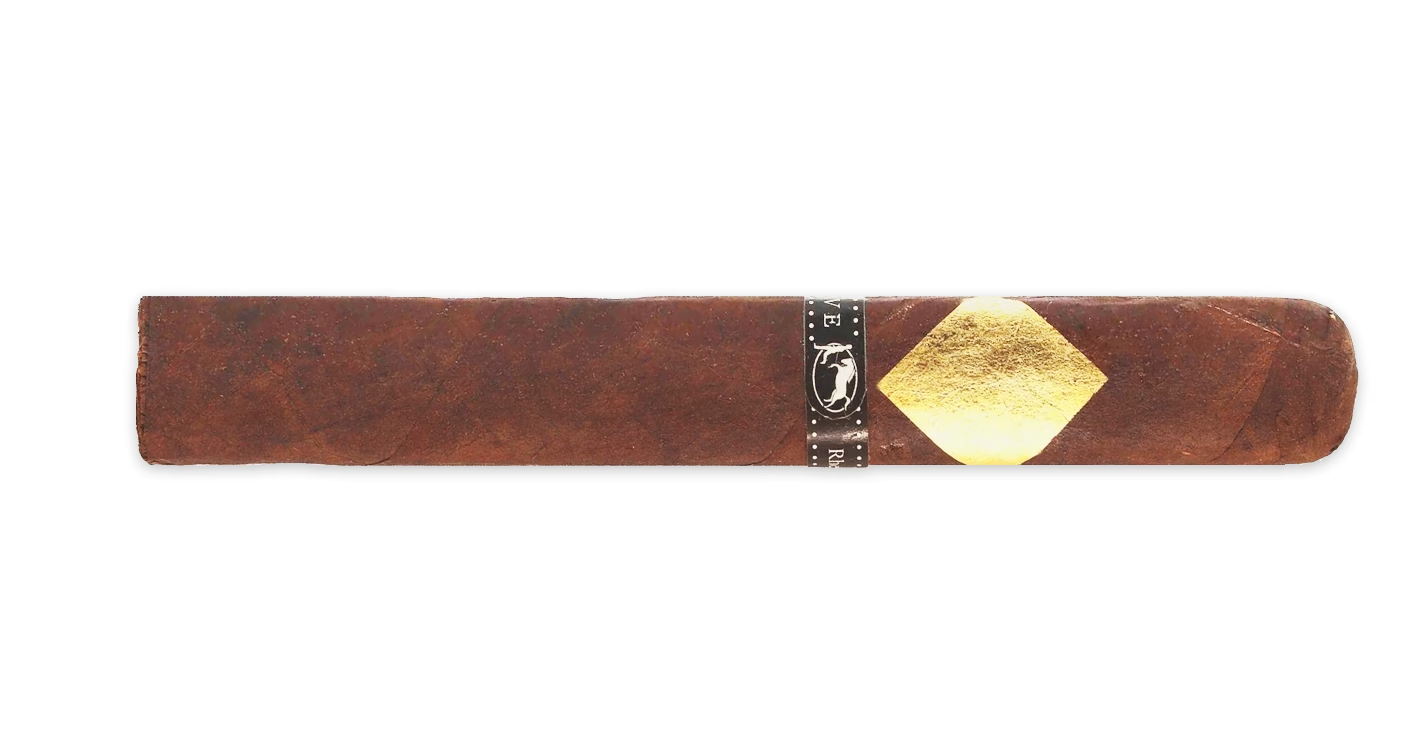
Cavalier Genève Black II Toro
5
15.2
54
-
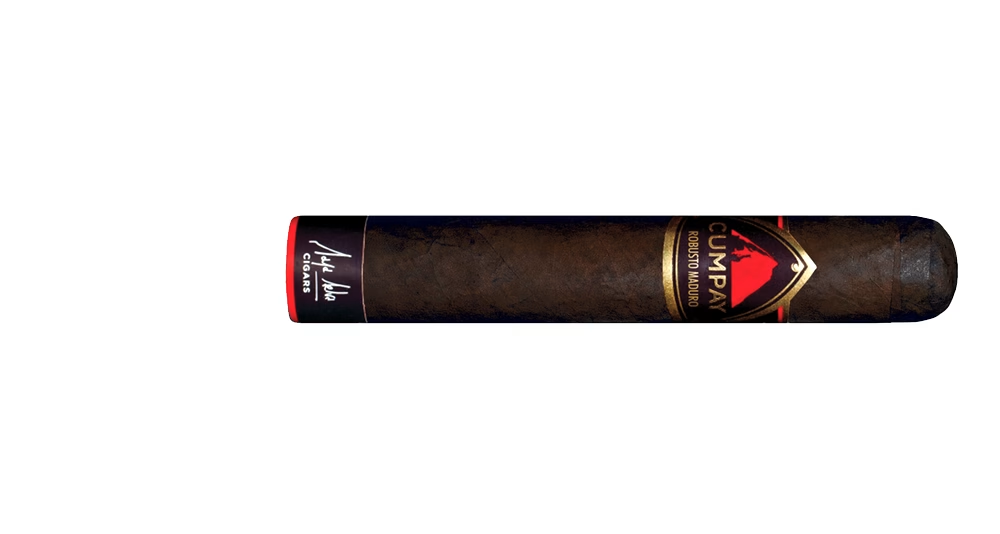
Cumpay Maduro Robusto
5
12.1
-
-
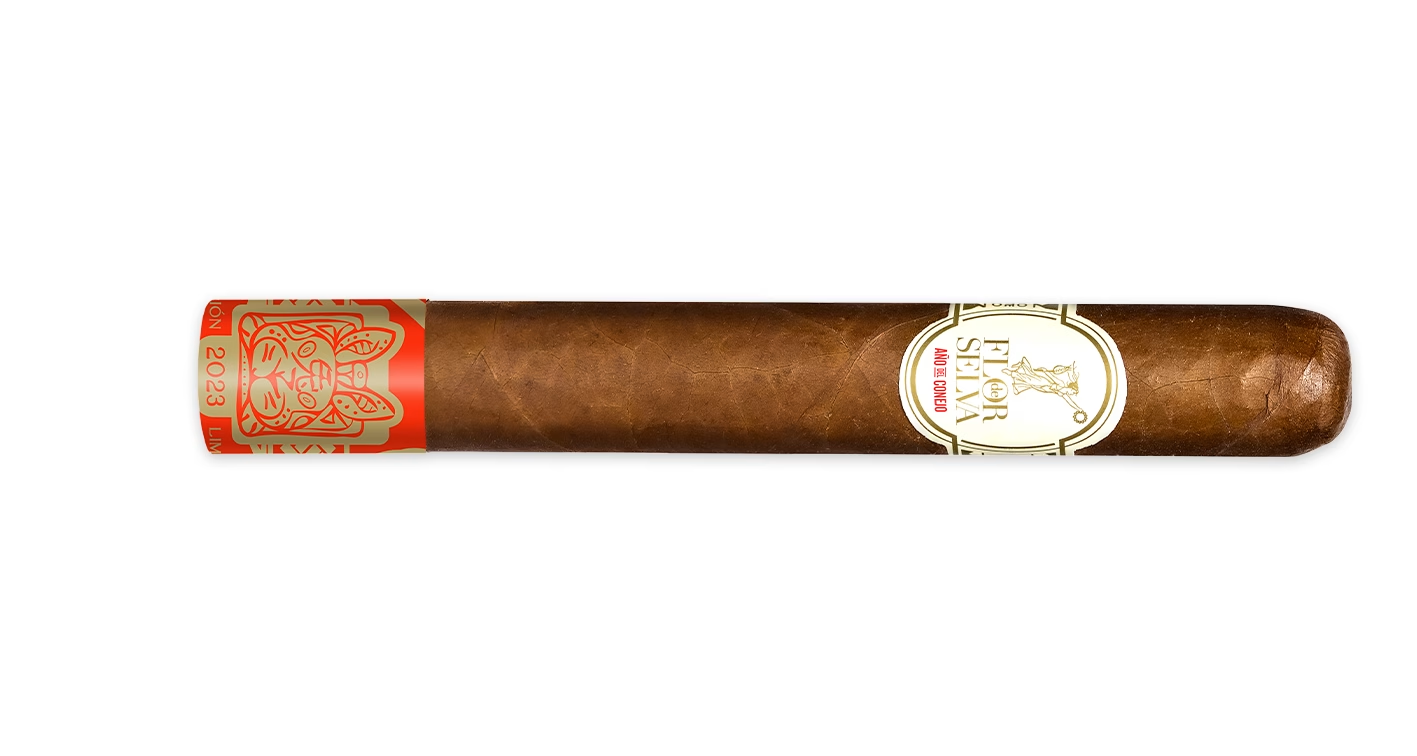
Flor de Selva Año del Conejo
3
14.5
48
-
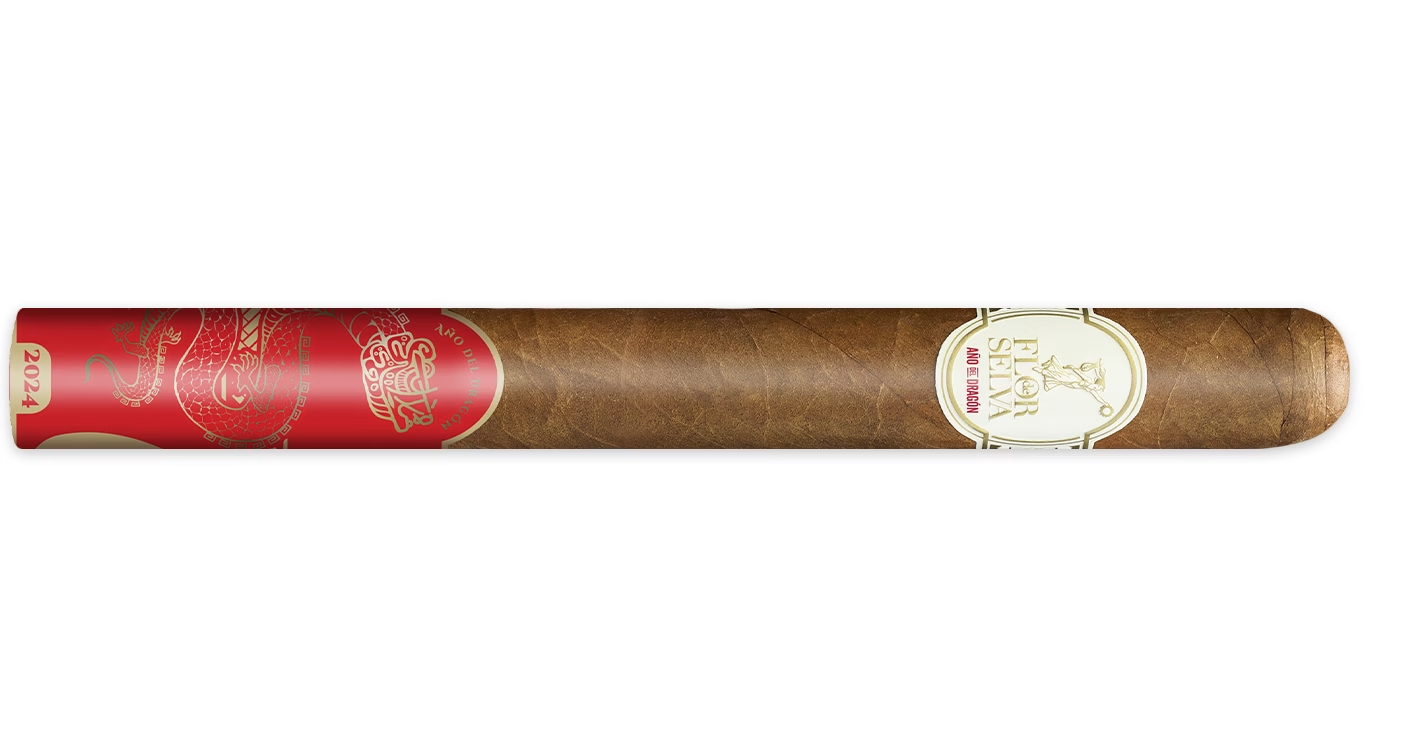
-
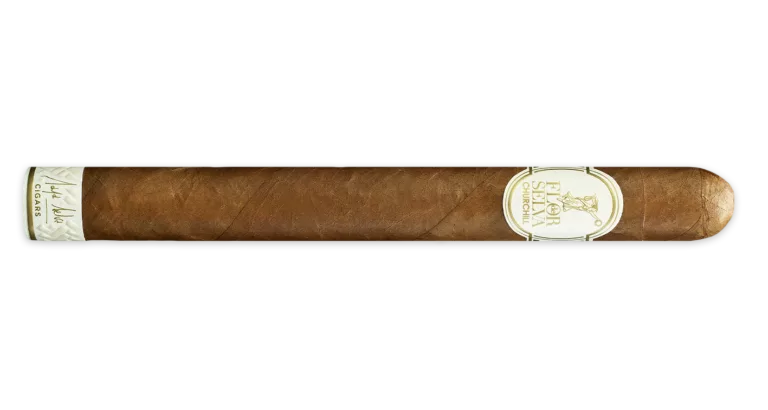
Flor de Selva Classic Churchill
2
17.8
49
-
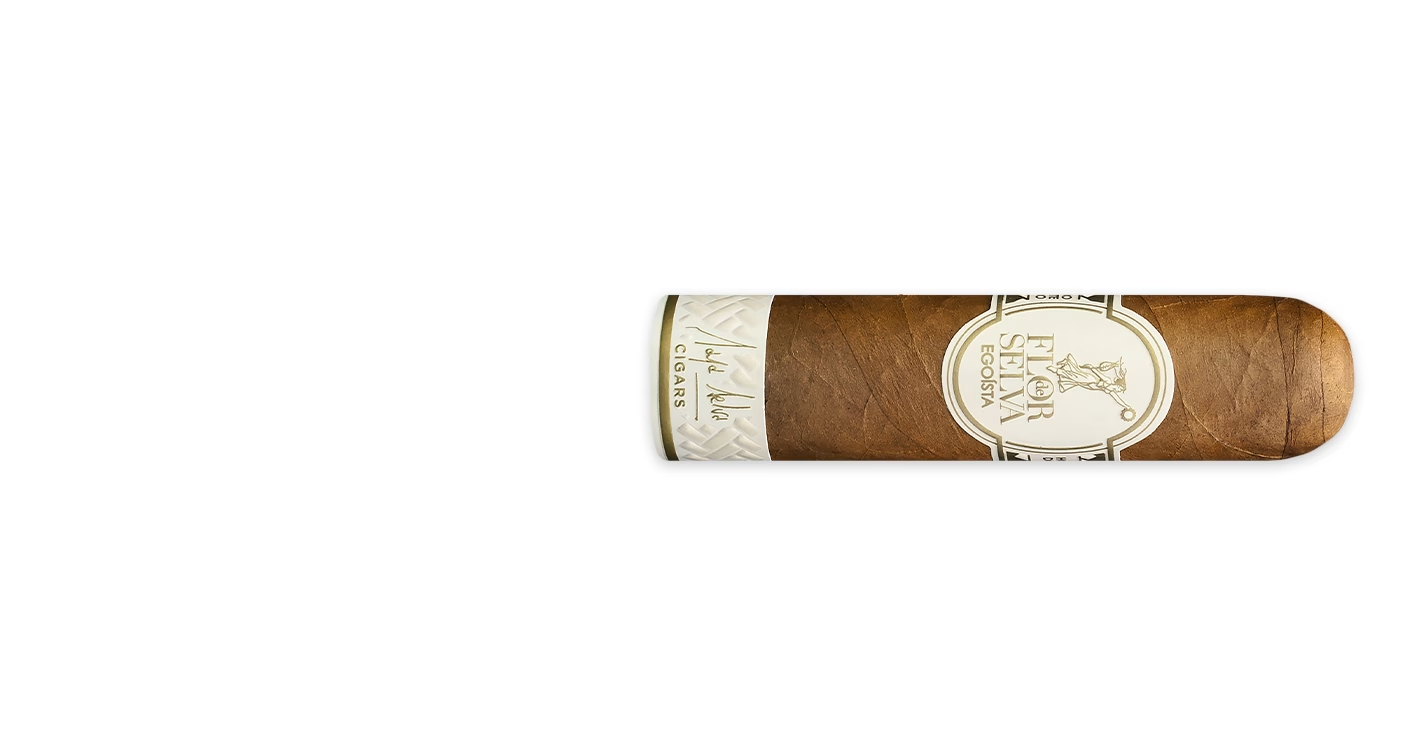
-
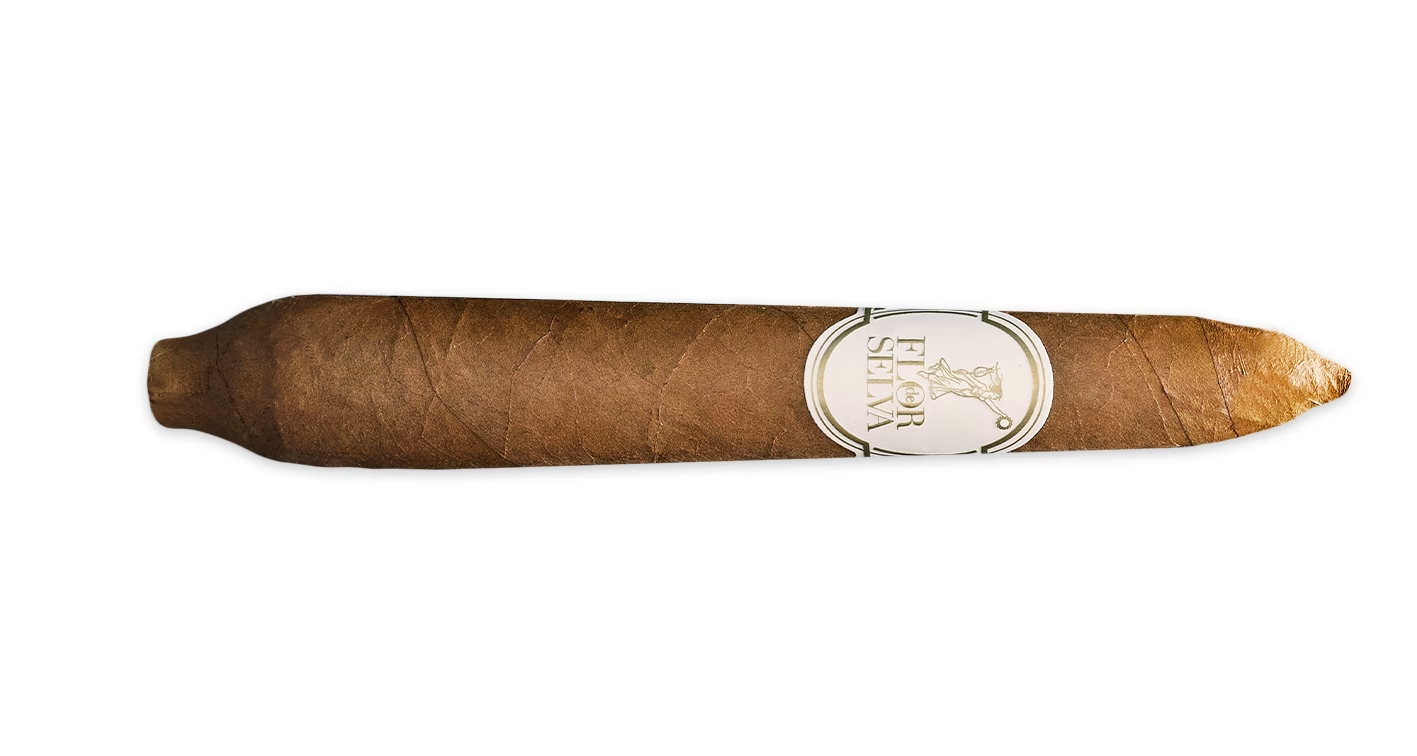
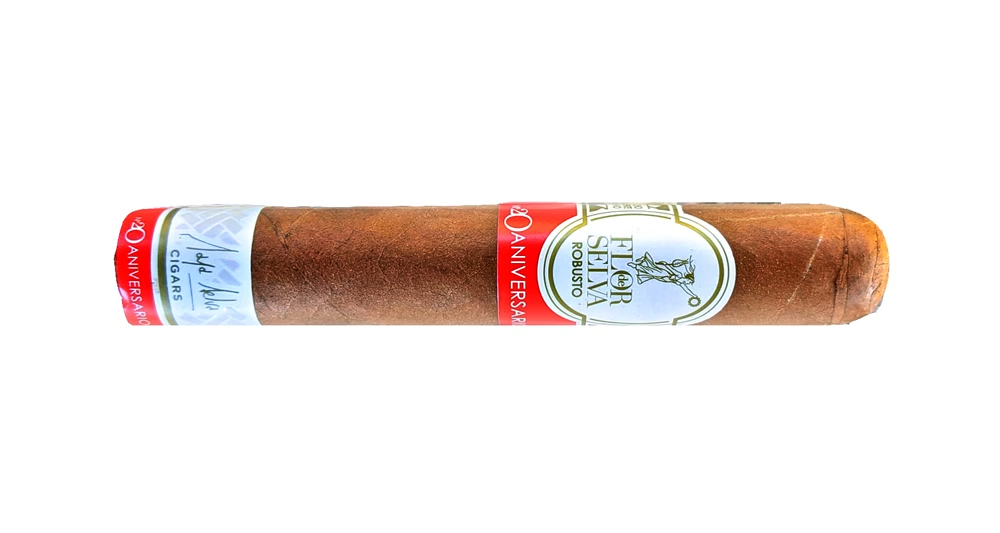
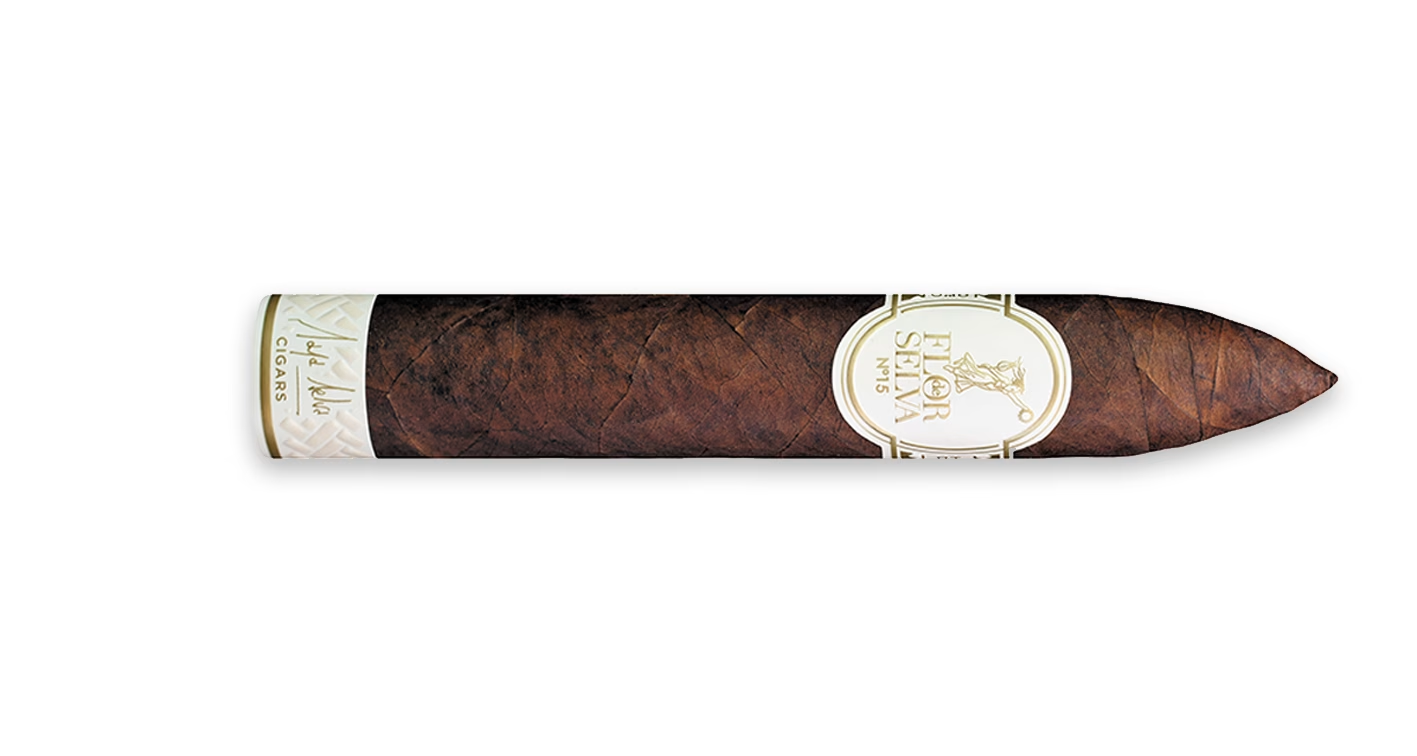
Flor de Selva Classic El Galán
2
15.3
49
-
-
-
-
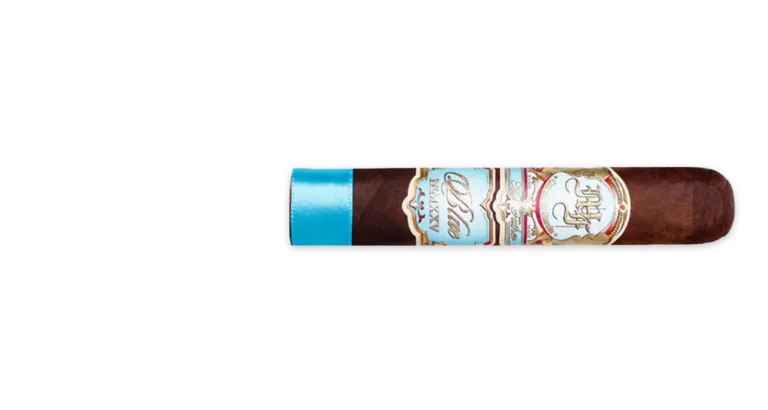
-
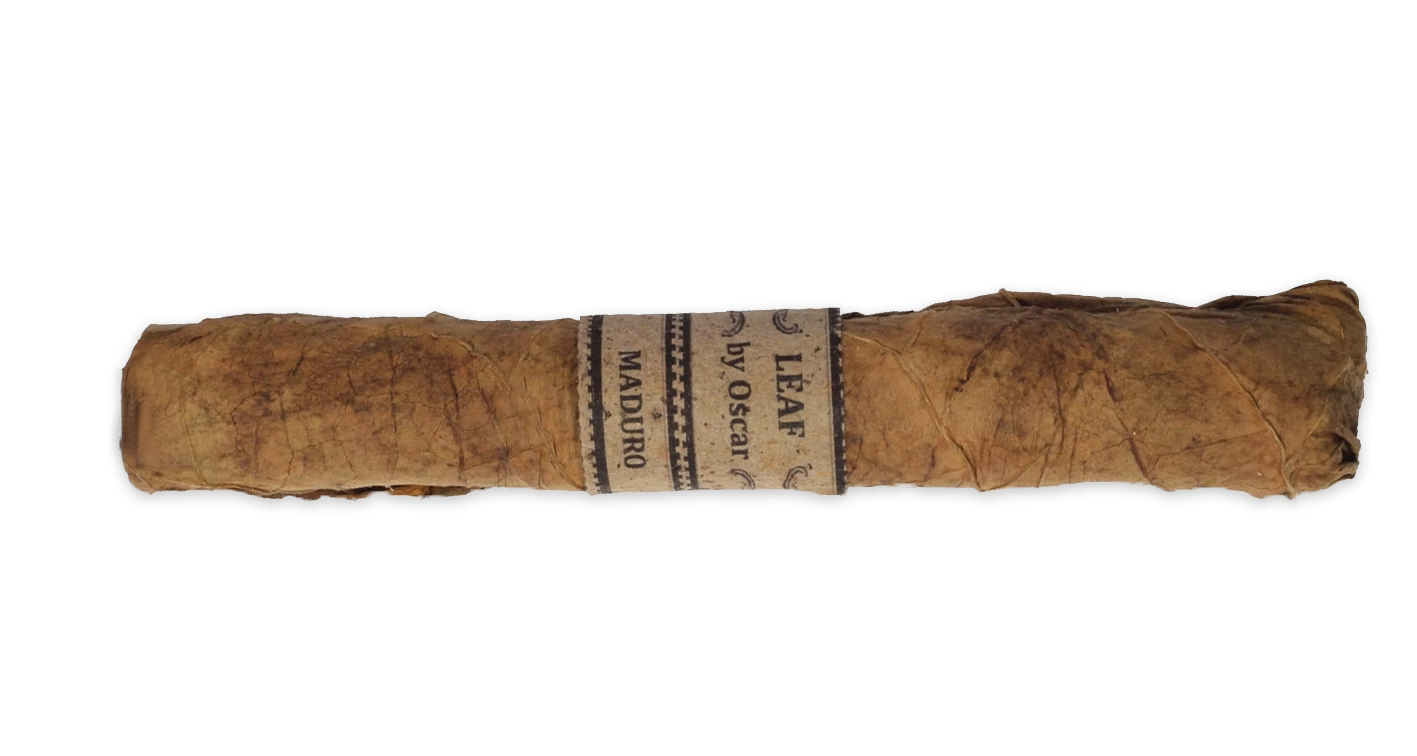
Oscar Valladares The Leaf Maduro
3
15.2
52
-
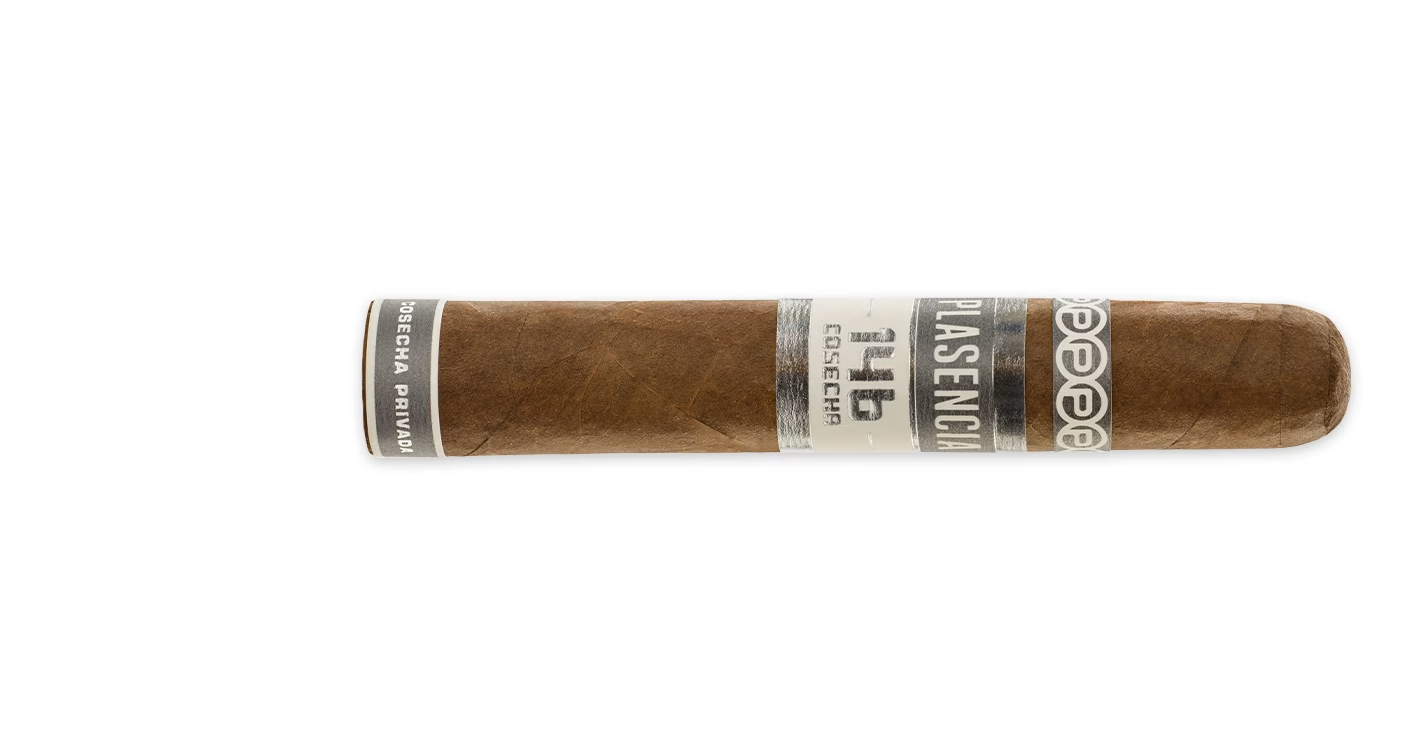
Plasencia Cosecha 146 La Musica
1
12.7
50
-
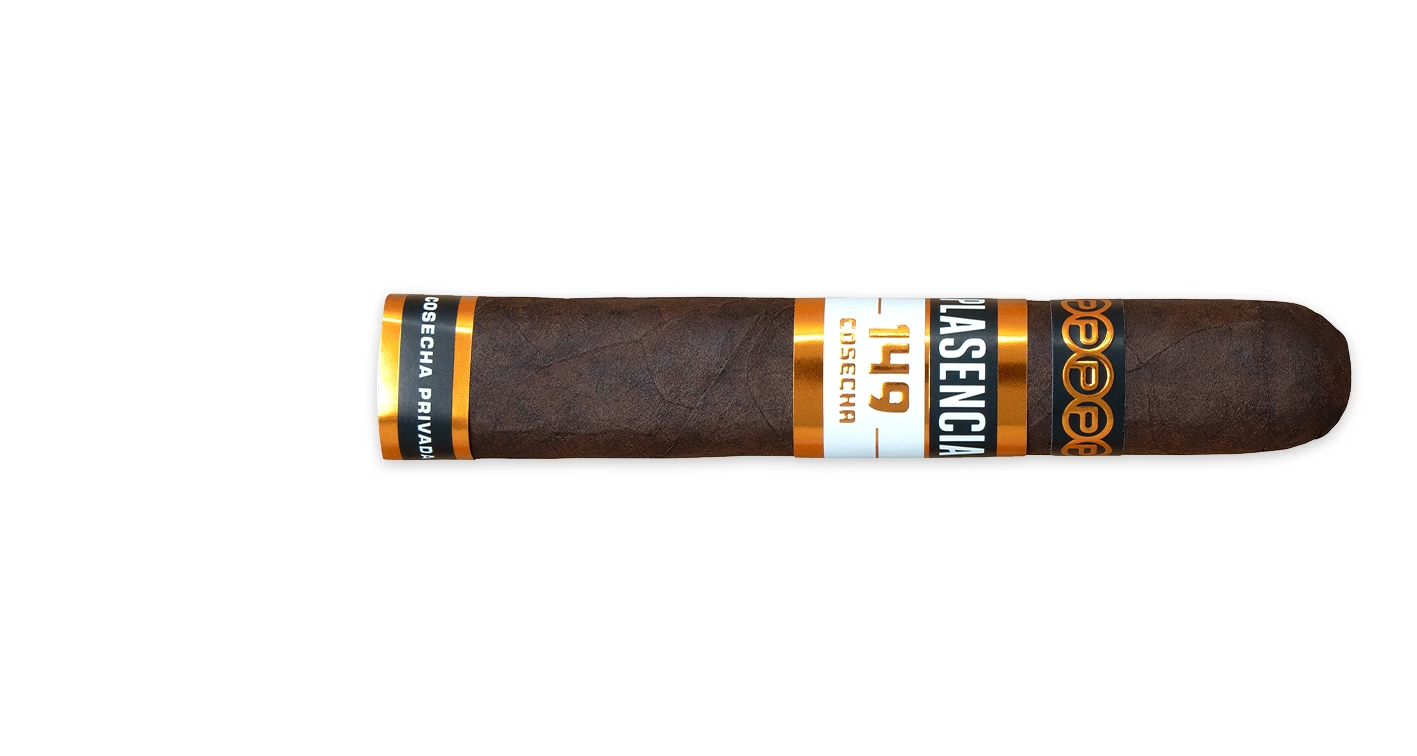
Plasencia Cosecha 149 La Vega
3
12.7
52
-
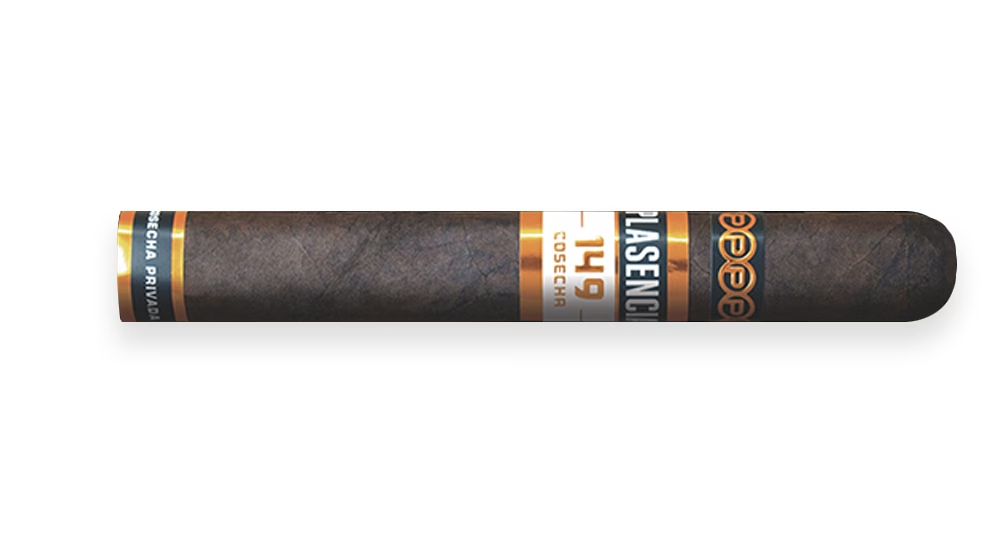
Plasencia Cosecha 149 toro
5
15.24
-
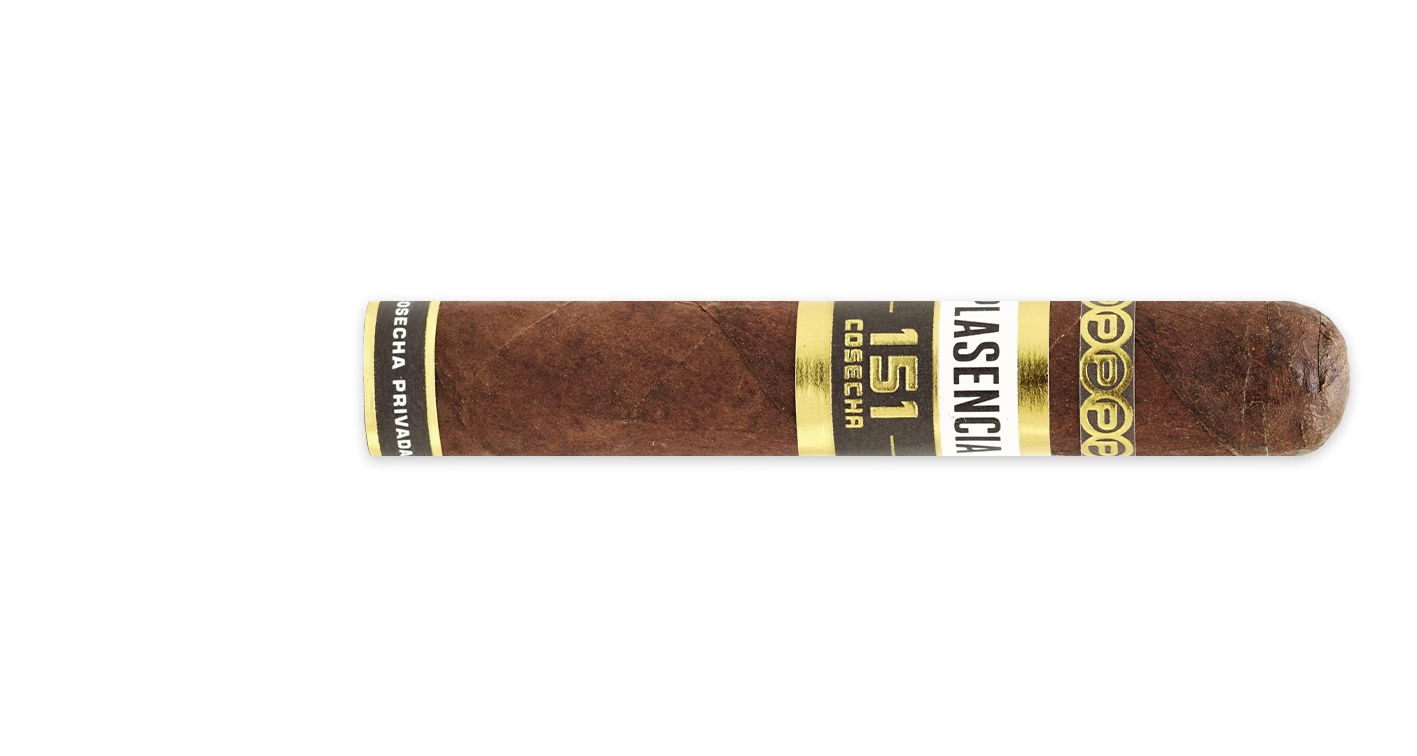
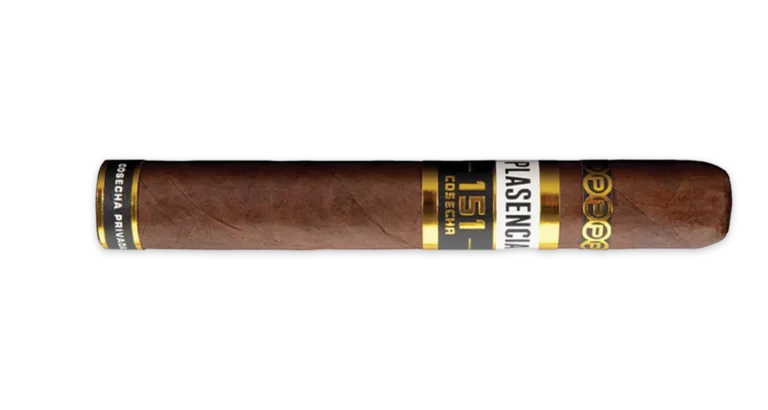
Plasencia Cosecha 151 La Musica
5
12.7
50
-
-
-
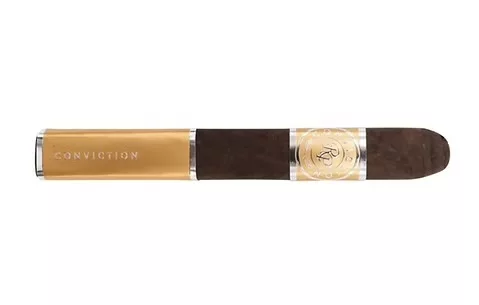
Rocky Patel Conviction Toro
4
16.5
52
-
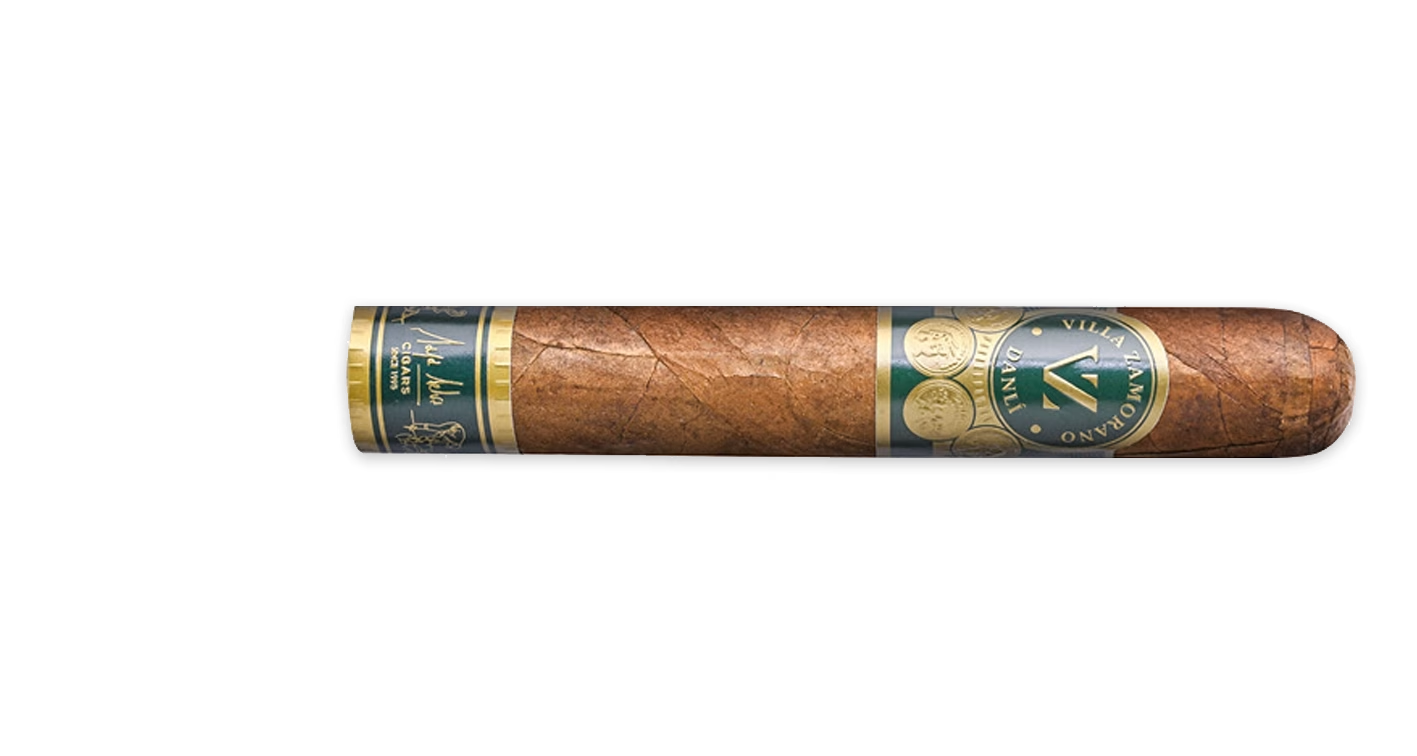
Villa Zamorano Danlí Robusto
2
12.7
50
-