A story of spices
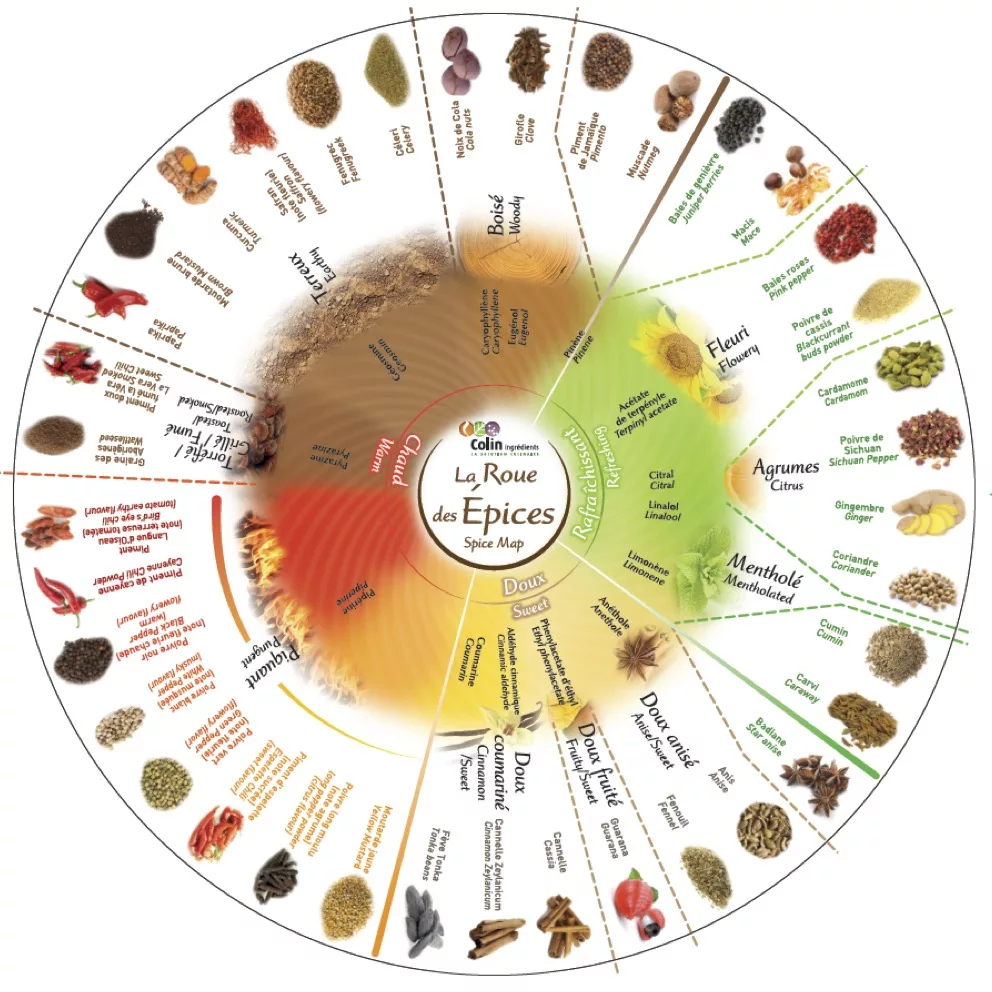
People often use the term ‘spicy notes’ to describe a cigar. It’s a handy term… but terribly vague.
For behind this word lies, in reality, an almost infinite universe.
Spices have always held a fascination. Long regarded as rare and precious, and sometimes even believed to possess magical or medicinal properties, they have played a major role in the history of global trade. The famous Spice Route helped to link the Asian, African and European continents, making these products among the first to be traded over long distances.
Their high value, combined with their small volume, made them ideal goods for transport — and thus key players in economic development.
A complexity often oversimplified
Despite this diversity, the term ‘spicy’ is now used in a very generic way in the world of cigars. Yet it encompasses a multitude of sensations. It is, moreover, common to confuse ‘spicy’ with ‘pungent’. However, these two concepts are quite different. A cigar can be spicy without being harsh, just as it can offer a sensation of warmth without any real aromatic complexity.
When tasting, it is worth looking beyond this simple description:
- are the notes peppery, dry and crisp?
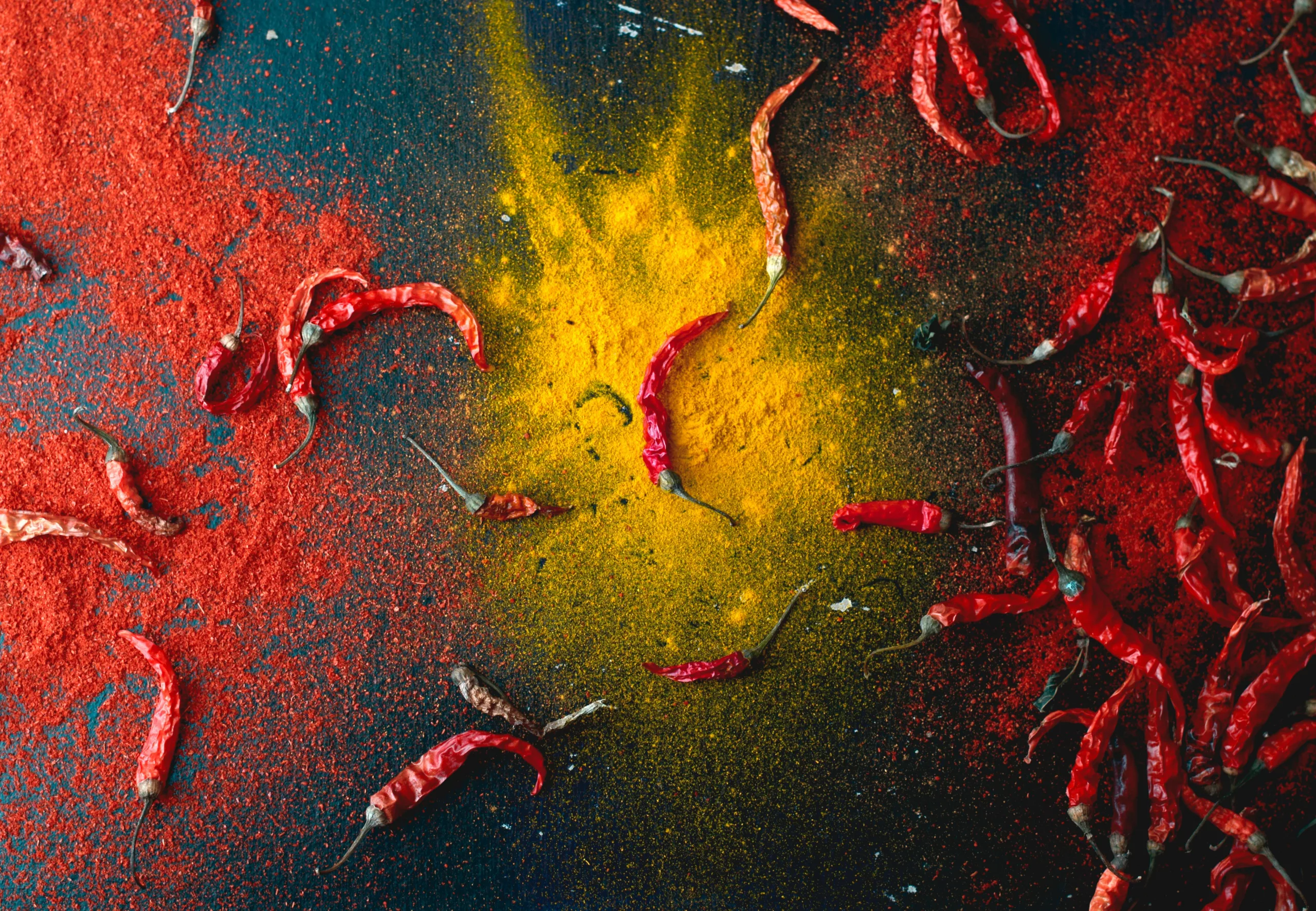
- a sharp heat reminiscent of chilli?
- or, on the contrary, softer, earthy nuances, reminiscent of turmeric or certain roots?
Taking the time to pinpoint these sensations can greatly enrich the experience.
Spices or herbs?
Spices and herbs are often confused, yet they differ in their origin and use.
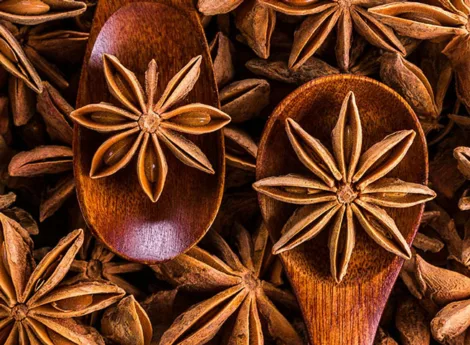
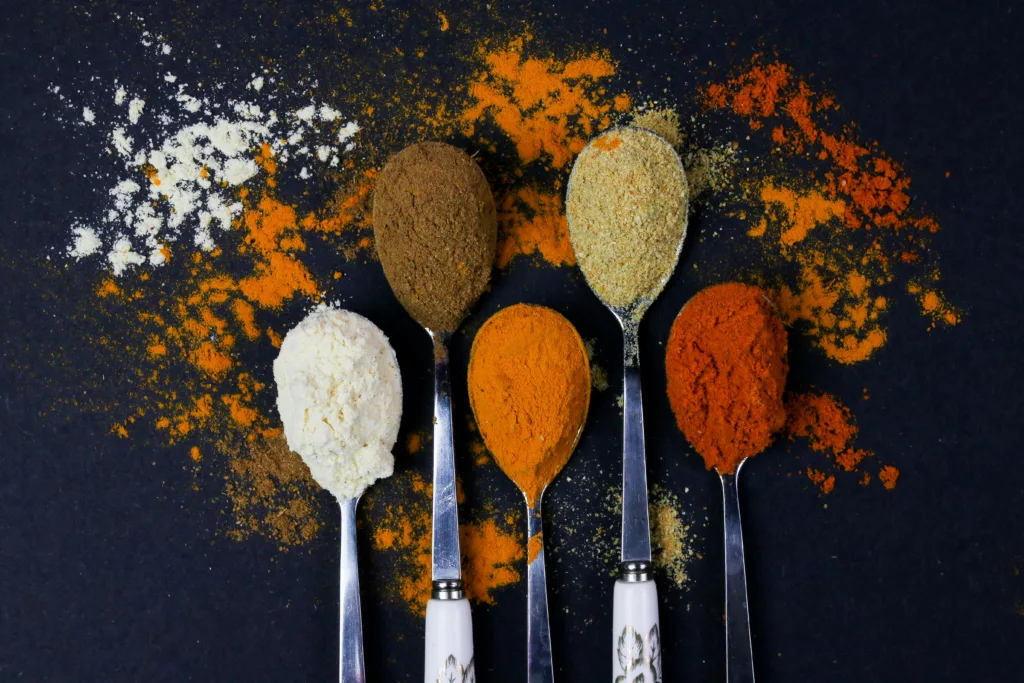
Spices generally come from dried parts of the plant: seeds, bark, roots or dried fruit. They are used in small quantities to add strength and character.
Examples: pepper, cinnamon, turmeric, cloves.
Herbs, on the other hand, are mainly derived from leaves, either fresh or dried. They add more freshness and aromatic complexity.
Examples: basil, thyme, coriander, parsley.