A story of spices
We often talk about ‘spicy’ notes when describing a cigar. A handy term… but a terribly vague one.
For behind this word lies, in reality, an almost infinite world.
Spices have always held a fascination. Long regarded as rare and precious, sometimes even endowed with magical or medicinal properties, they have played a major role in the history of global trade. The famous Spice Route helped to link the Asian, African and European continents, making these products among the first to be traded over long distances.
Their high value, combined with their small volume, made them ideal goods for transport — and thus key players in economic development.
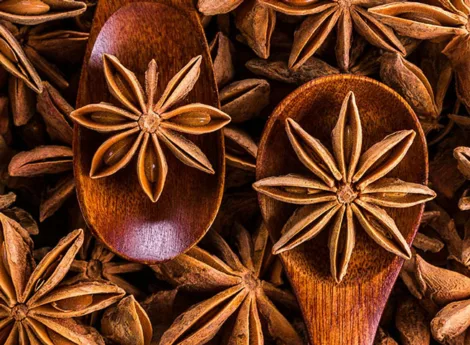
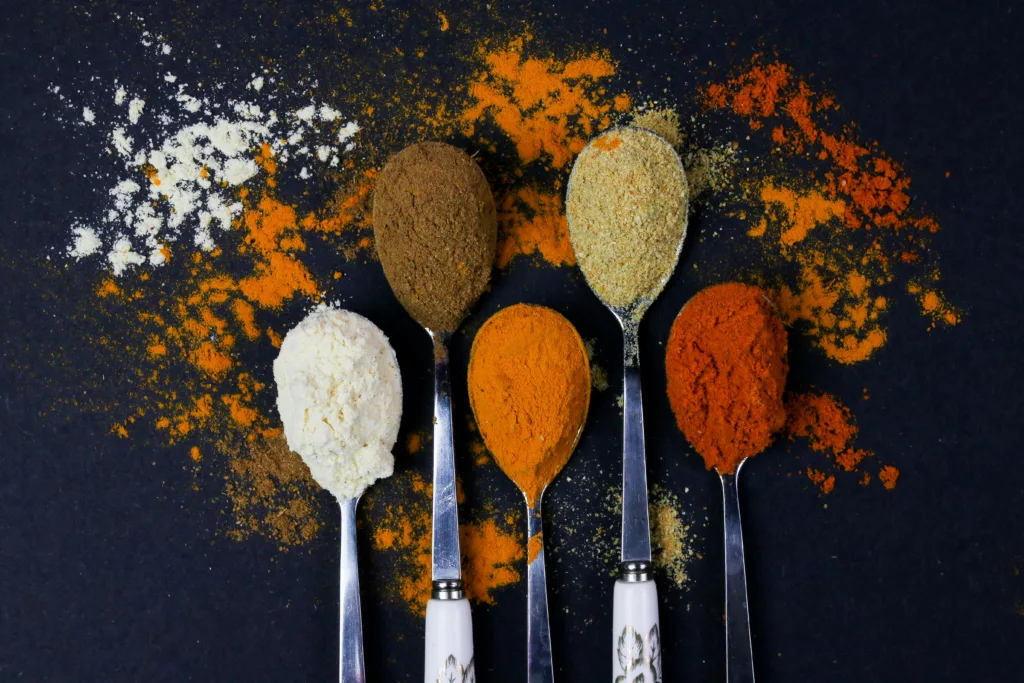
A complexity often oversimplified
Despite this diversity, the term ‘spicy’ is now used in a very generic way in the world of cigars. Yet it encompasses a multitude of sensations. It is, moreover, common to confuse ‘spicy’ with ‘pungent’. However, these two concepts are quite different. A cigar can be spicy without being harsh, just as it can offer a sensation of warmth without any real aromatic complexity.
When tasting, it is worth looking beyond this simple description:
- are the notes peppery, dry and crisp?
- a sharp heat reminiscent of chilli?
- or, on the contrary, softer, earthy nuances, reminiscent of turmeric or certain roots?
Taking the time to pinpoint these sensations can greatly enrich the experience.
Spices or herbs?
Spices and herbs are often confused, yet they differ in their origin and use.
Spices generally come from dried parts of the plant: seeds, bark, roots or dried fruit. They are used in small quantities to add strength and character.
Examples: pepper, cinnamon, turmeric, cloves.
Herbs, on the other hand, are mainly derived from leaves, either fresh or dried. They add more freshness and aromatic complexity.
Examples: basil, thyme, coriander, parsley.
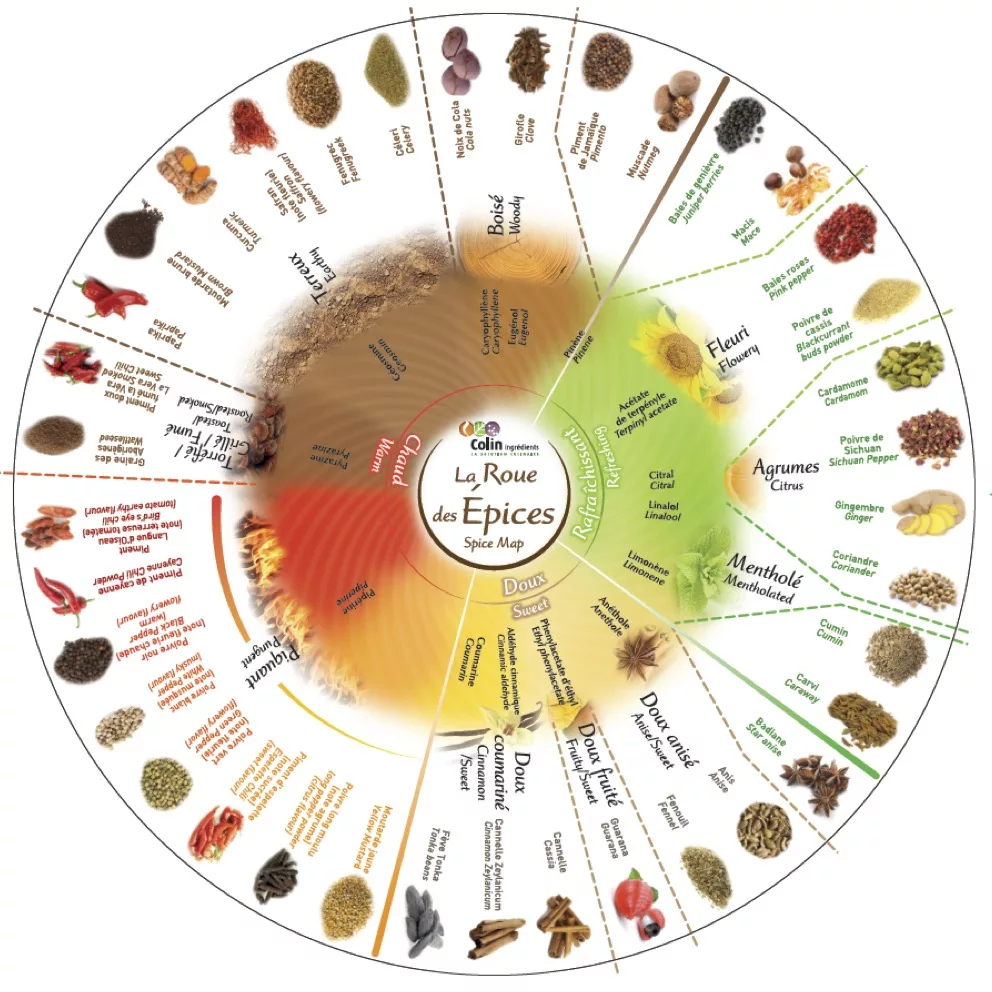
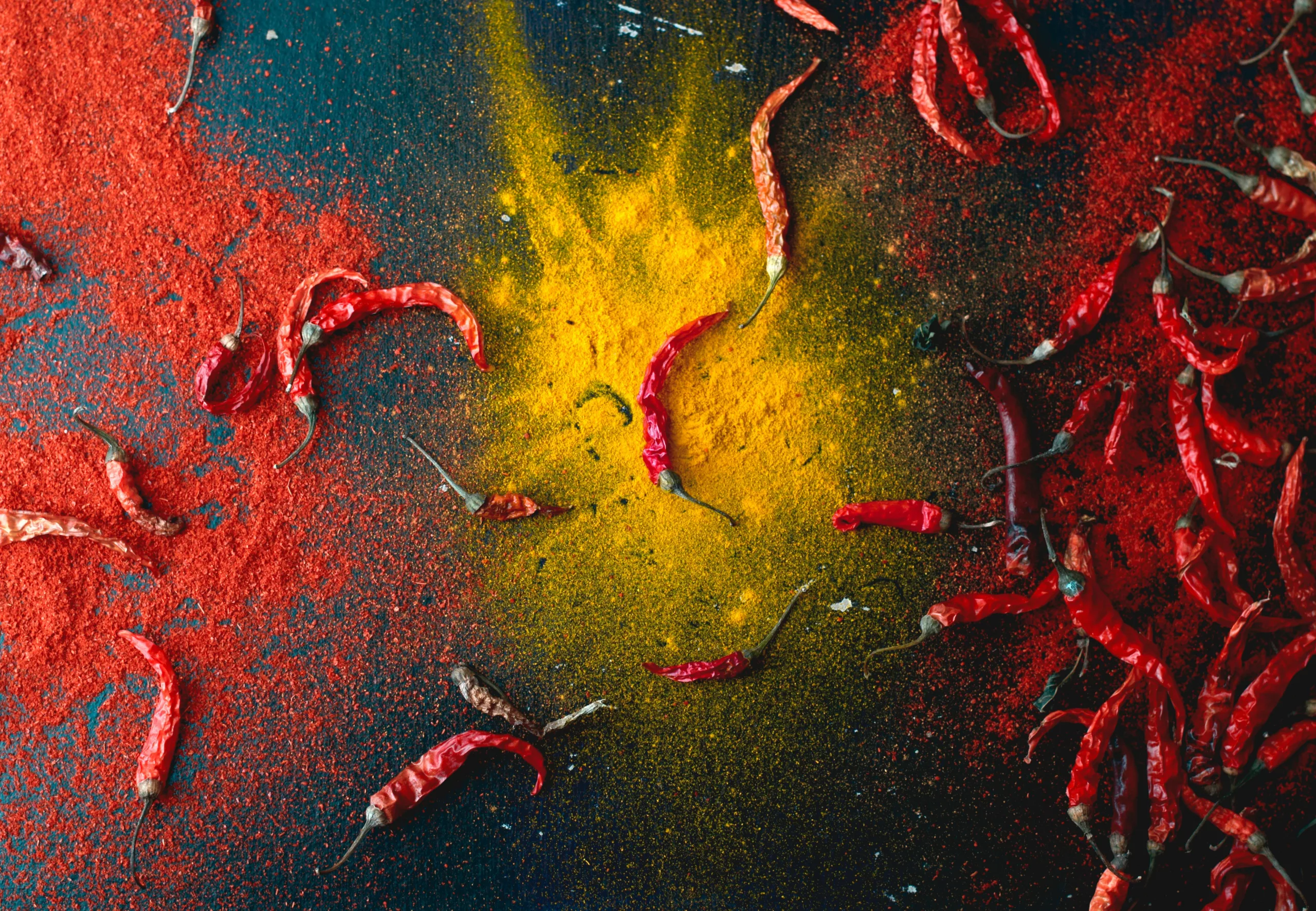
Peppers
We often hear people talk about peppery notes in a cigar. But behind that ‘pepper’ flavour lies a very subtle range of different aromas. Let’s take a closer look at the different types of pepper and their aromatic profiles.
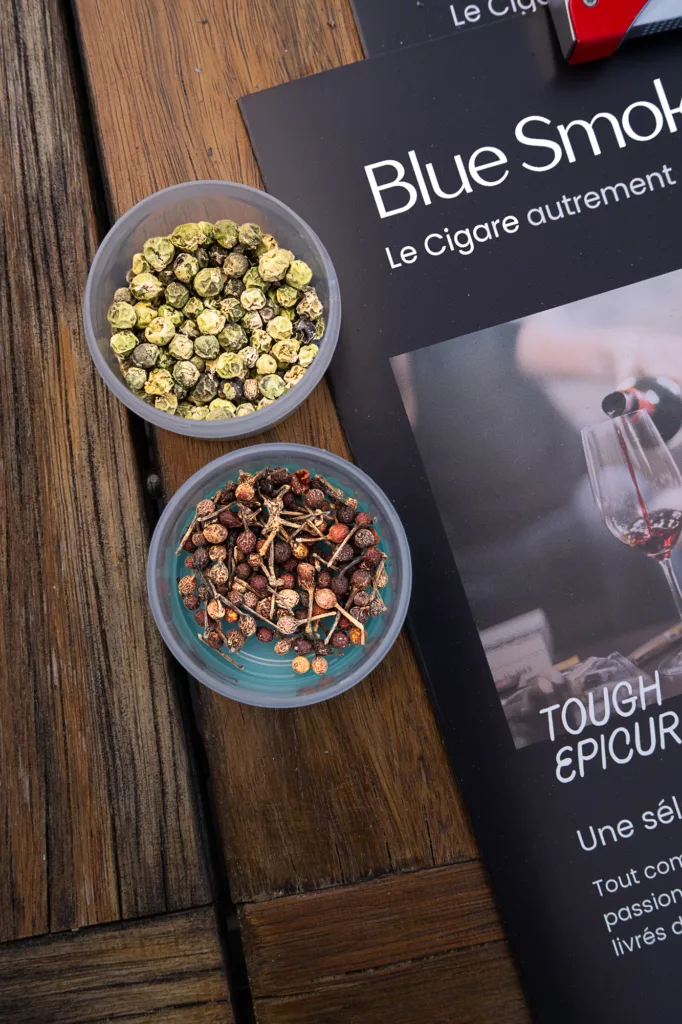
The pepper plant is a climbing plant that produces berries which change colour as they ripen (green, red and then dark brown). Depending on when they are harvested and how they are processed, different types of pepper are produced: green, black, white or red.
- Green pepper is harvested before it is ripe. It is either dried or preserved in brine. It is fresh, fragrant and mildly spicy.
- Black pepper is picked whilst still green and then sun-dried, which causes its husk to turn black and wrinkle. It is the most common variety, with a strong, spicy flavour.
- White pepper comes from ripe berries from which the outer skin has been removed. Its aroma is milder, sometimes very fermented depending on the method used.
- Red pepper comes from fully ripe berries, preserved in brine or dried.
The text also features some specific varieties:
- peppers with stems (cubeb, voatsiperifery, etc.) with distinctive flavours,
- long peppers, which are hotter and more pungent,
- and ‘false peppers’, which are not true peppers but spicy berries such as Sichuan pepper, pink peppercorns or allspice.
Finally, the quality of pepper depends on several factors: purity, density, moisture content, and the levels of essential oil and piperine (the molecule responsible for the heat).
Reference book
Browse this reference book on peppers, compiled by the SNPE (National Union of Pepper, Spice, Herb and Vanilla Processors).
"Peppers: a palette of colours and flavours"